


'/%3E%3Cpath%20fill='%23b2b2b2'%20d='M241%20382q0%2016%2017%2026%2017%2011%2042%2011t42-11q16-11%2017-26V269H241'/%3E%3Cpath%20fill='%239f7e00'%20d='M241%20379q0%2014%208%2023%209%209%2021%209%2014%200%2021-9%209-9%209-23V269h-59'/%3E%3Cpath%20d='M241%20339v-70h59v110q0%2014-9%2023l-6%205v-68h-15v72q-8%200-14-4v-68zm59%2040c0%2022%2015%2032%2029%2032%2021%200%2030-18%2030-32v-40h-59'/%3E%3Cpath%20fill='%239f7e00'%20d='M266%20277v5h2v12h-3v-5h2v-5h-9v5h2v5h-4v9h3v18h-5v10h34v-10h-5v-18h3v-9h-4v-5h2v-5h-9v5h2v5h-3v-12h2v-5zm42%20101q0%2010%206%2017%206%206%2015%207%2010-1%2016-7%206-7%206-17v-29h-43'/%3E%3Ccircle%20fill='%230044ad'%20cx='329.5'%20cy='372'%20r='6'/%3E%3Cellipse%20fill='%230044ad'%20cx='300'%20cy='340'%20rx='16'%20ry='21'/%3E%3C/svg%3E)
Nagoya Castle is probably the most popular tourist destination in the city. There isn’t a guidebook or website about the city that doesn’t mention this impressive and beautiful landmark. And rightly so, the castle is a central part of Nagoya’s history and even influences the present.
Article Contents
The History of Nagoya is the History of Nagoya Castle!
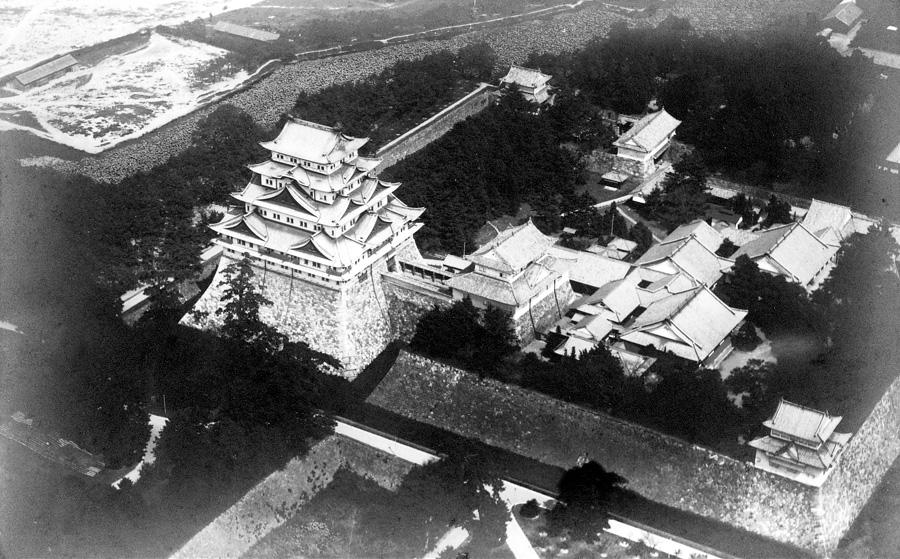
In 1600, Japan was finally united after a long period of war between east and west. The west had won and established its capital in Tokyo, then called Edo. The defeated forces, strongest around Osaka, returned home. It wasn’t certain how long the newfound peace would last, so the new leader of Japan, Tokugawa Ieyasu, the founder and first Shogun of the Tokugawa Shogunate, decided to be safe rather than sorry and commissioned the construction of a castle in Nagoya as an effective defense line against his enemies in Osaka.
The biggest town in the region at the time was Kiyosu, but from a strategic standpoint, the area around eight kilometers south of it was better suited for a big castle because it had ample space and was located in a swampy area, a natural defense against enemies.
Therefore, the whole town of Kiyosu was moved in 1612 in an operation now known as Kiyosu Goshi or “The move of Kiyosu”. Not only the people but also temples, shrines, bridges, and other important buildings were relocated to the newly founded city called Nagoya.
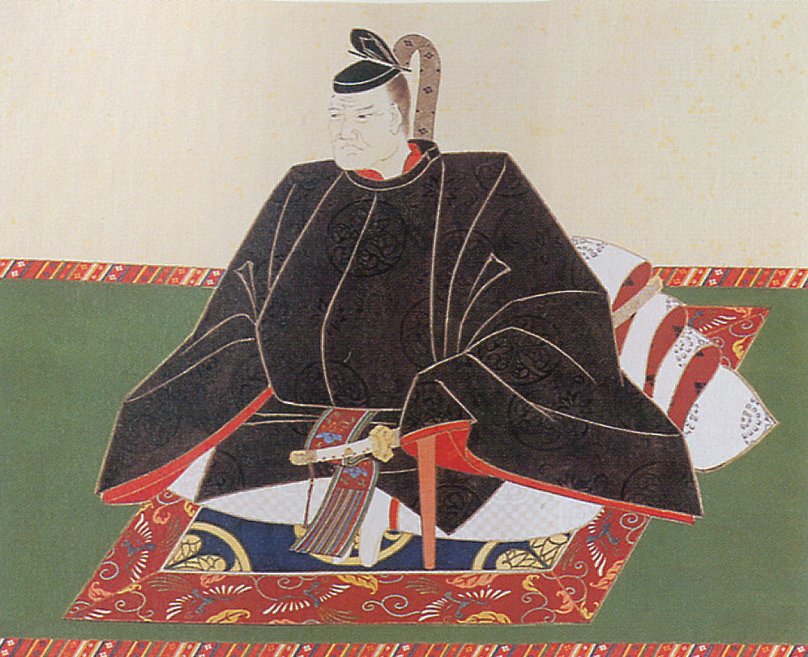
Tokugawa put one of his sons in charge of the region. This son, Tokugawa Yoshinao (1607–1650), became the first lord of the Owari region with Nagoya as its main city. The lord of Owari lived at Nagoya Castle and was not only in charge of the city’s defense but also its development.
The arts including tea ceremony and Noh theater blossomed and fine ceramics as well as tie-dyed fabrics were popular exports from the Owari region.
For the next 260 years, the castle and in extension, the city thrived as the seat of the Owari Tokugawa clan, a branch of the ruling Tokugawa clan. There was peace in Japan and the castle was never under siege.
Nagoya’s strategic location between Osaka and Edo also meant many travelers came through, which was great for the overall economy and development of the city which made it one of the most prosperous during the Edo Period (1603 – 1868).
Nagoya Castle was one of the most impressive castles in Japan and the first to be designated as a National Treasure in 1930. Unfortunately, during the Second World War, the castle was utterly destroyed.
After the war had ended a gigantic reconstruction project was decided and the towers, as well as the keep, were reconstructed. The current keep was constructed using steel-reinforced concrete rather than wood, and it even featured an elevator. The inside was turned into a museum showcasing the castle’s history as well as historic artifacts from the region.
But the story of Nagoya Castle isn’t finished. As recently as 2018 the castle opened the breathtaking Honmaru Palace which had been reconstructed using only the traditional building techniques and original plans.
Nowadays the castle isn’t only the symbol of the city (as it has been since the founding of Nagoya) but also the pride of the residents and a major draw for domestic and international tourists.
Explore the Sights of Nagoya Castle, Inside and Out.
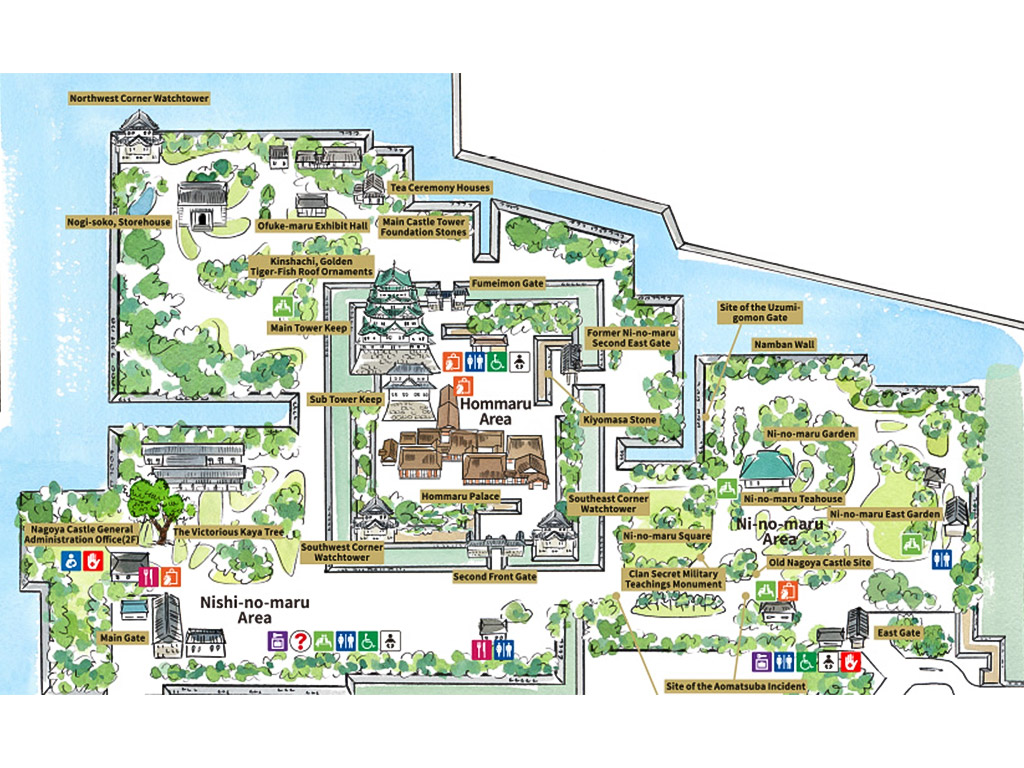
Nagoya Castle is situated on an expansive area of land in the center of Nagoya city. The castle grounds can be divided into 4 parts:
- Nishi-no-maru area where the main gate is located,
- Ni-no-maru area with its beautiful and expansive landscape garden,
- Honmaru area inside the second wall, surrounded by watchtowers with the main keep and the Honmaru Palace
- Ofuke-maru area in the back with its tea houses.
The best way to explore Nagoya Castle is by taking a leisurely stroll around the whole complex with its many buildings and sights.
Nagoya Castle (名古屋城)
Entry Fee: Adults: 1000 yen; children free (from October 1st, 2026)
Opening Hours: 9:00 – 16:30
Address: 1-1 Honmaru, Naka Ward, Nagoya, Aichi 460-0031
Website | Google Maps
Nagoya Castle Keep
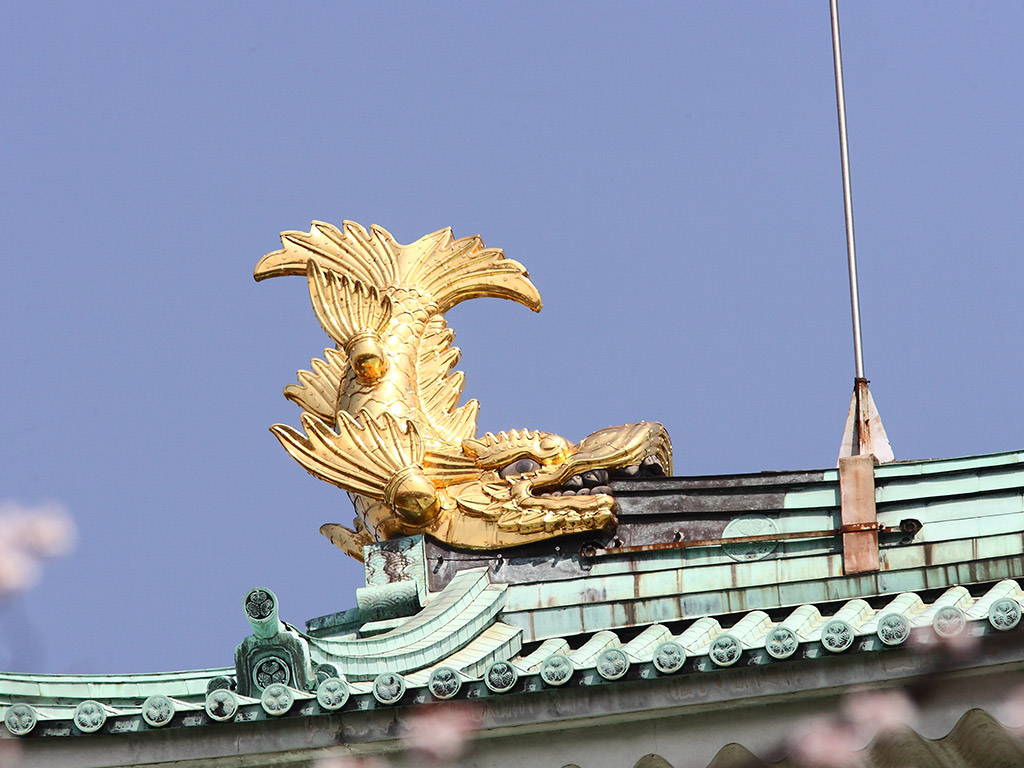
The tower keep is the most iconic building in Nagoya. With its white walls and green corroded metal roofs. On either side of the roof, if you watch closely, you will spot the two golden Kinshachi, mythical figures half fish and half tiger.
They appear tiny but are, in fact, more than 2 meters tall each and plated with real gold.
When translated into English the Kinshachi is often referred to as a Golden Whale because Shachi means Killer Whale in Japanese or, more fitting, Golden Tiger-headed Carp.
The most notable ability of Kinshachi is its control over water. And that is also the reason they are decorating the roof of the keep: to protect the building from fire by calling on rain.
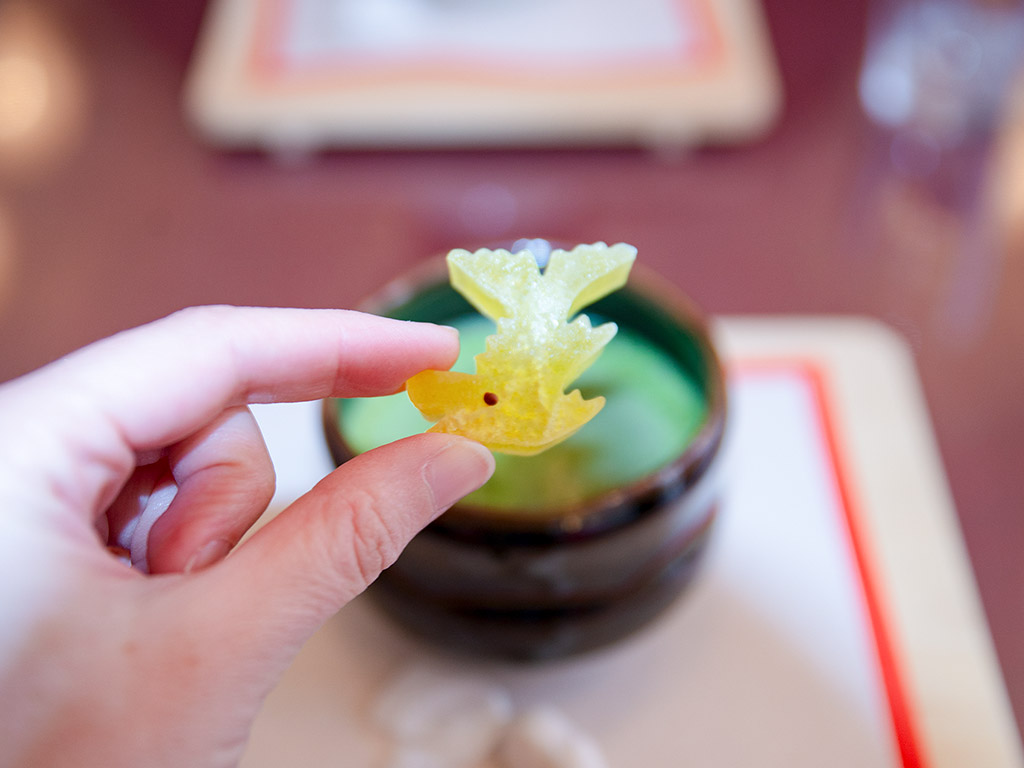
The Kinshachi is so popular in Nagoya that it has become the symbol not only of Nagoya Castle but, in fact, the whole city. It can be found in souvenirs, ornaments, manholes, drawings, and even sweets throughout the city.
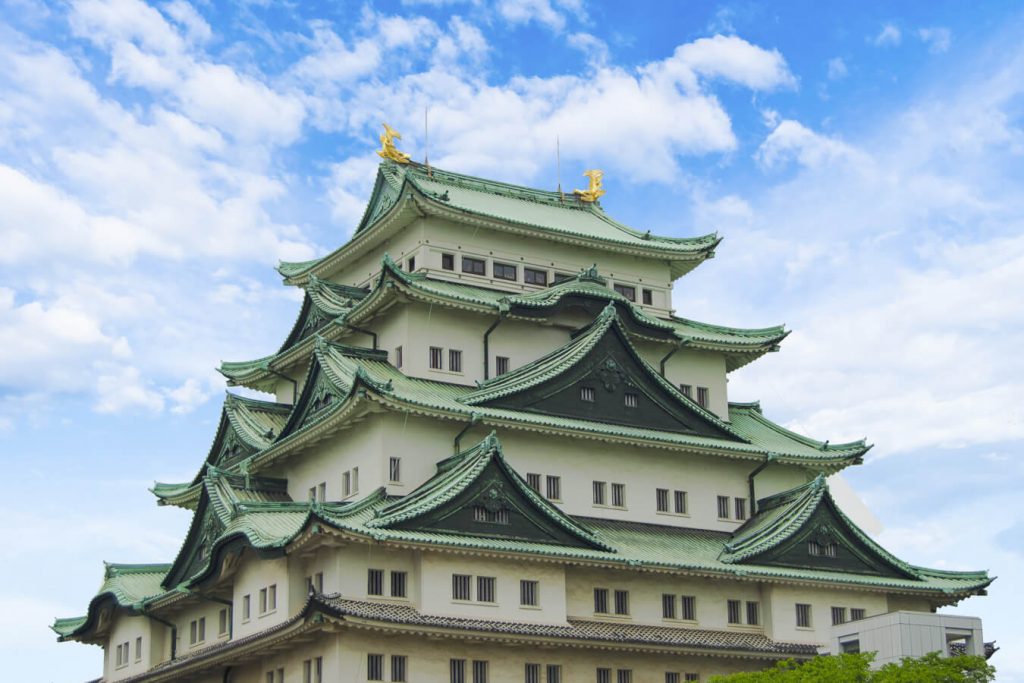
The keep was meant as the main defense in case of an attack and had all the defense mechanisms to be expected from such a highly specialized construction.
The current keep was built in steel-reinforced concrete, a fact that nowadays is an eyesore to many historians and enthusiasts alike.
In 2019, a new reconstruction project started that will see the iconic keep, with its white walls and metallic green roofs, restored to its original authentic beauty and wooden interiors.
| NOTE: The keep was torn down in 2023, and reconstruction is expected to finish by October 2028. For this reason, it is currently not possible to visit the inside of the keep. |
Honmaru Palace
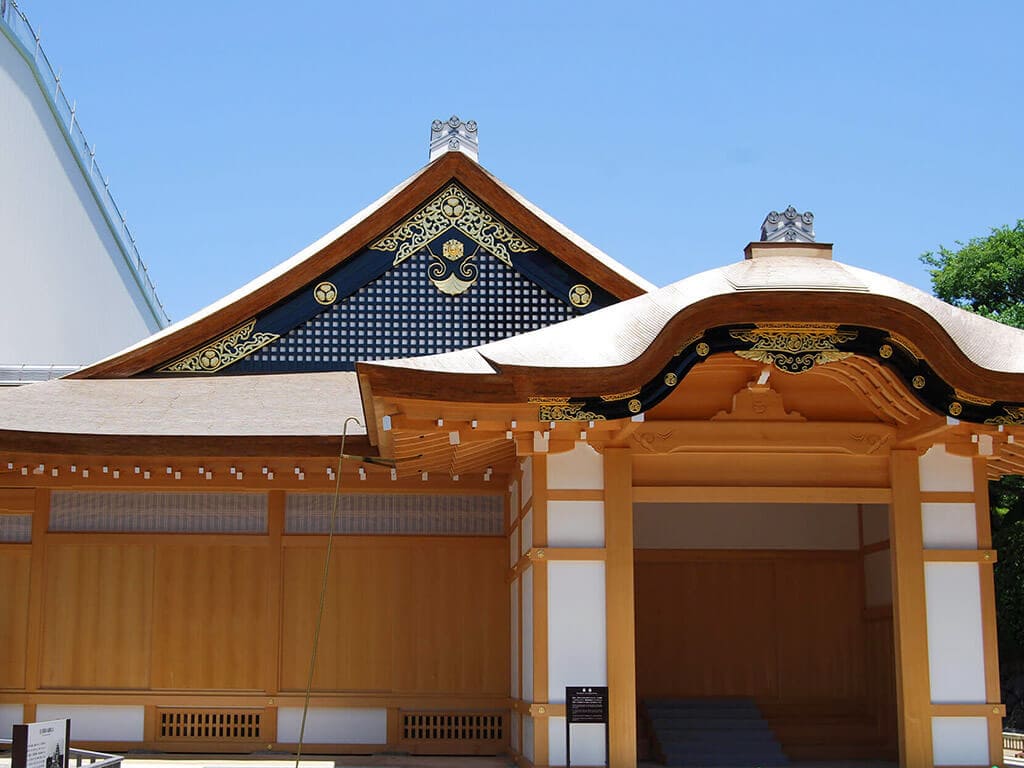
The absolute highlight of Nagoya Castle is the recently finished Honmaru Palace. It is the main reason Nagoya Castle is so much more impressive than other castles you can find around Japan.
This one-story building made completely out of cypress wood used to be the residence and administrative offices of the ruling lord. Using the original Edo Period architectural plans the palace was rebuilt using only historical building techniques. It took a total of 10 years to complete the construction.
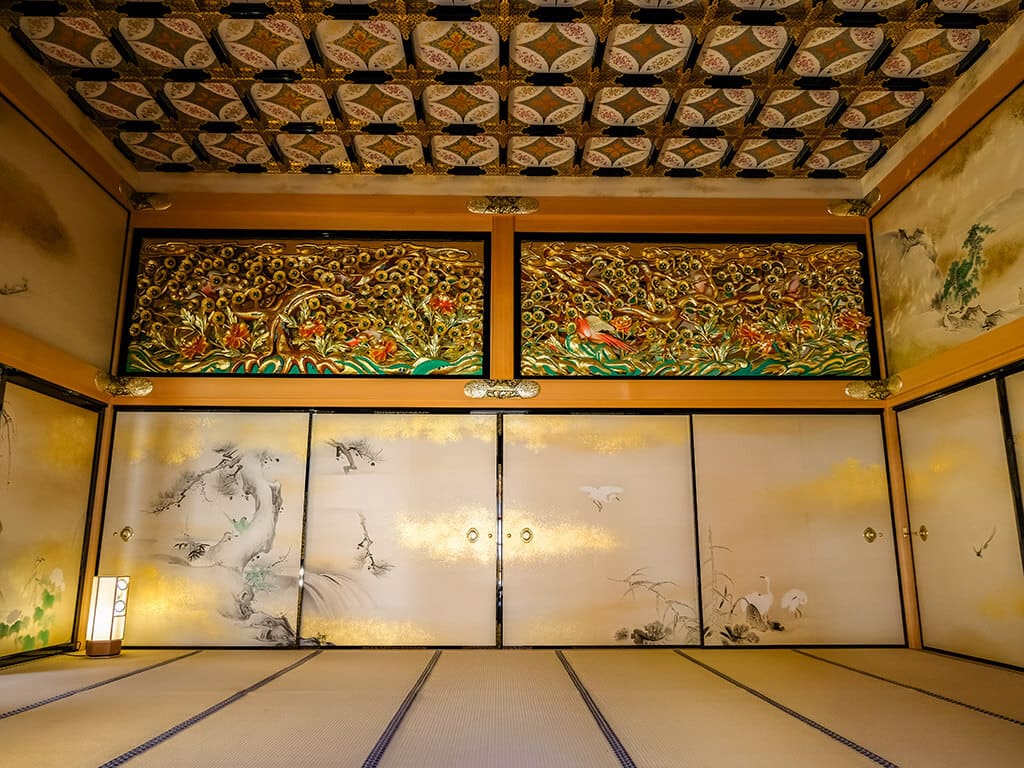
You can visit the inside of the Honmaru Palace and marvel at the beauty of the golden wall paintings depicting the seasons and other motives found in nature and folklore. The intricate carvings are another awe-inspiring sight.
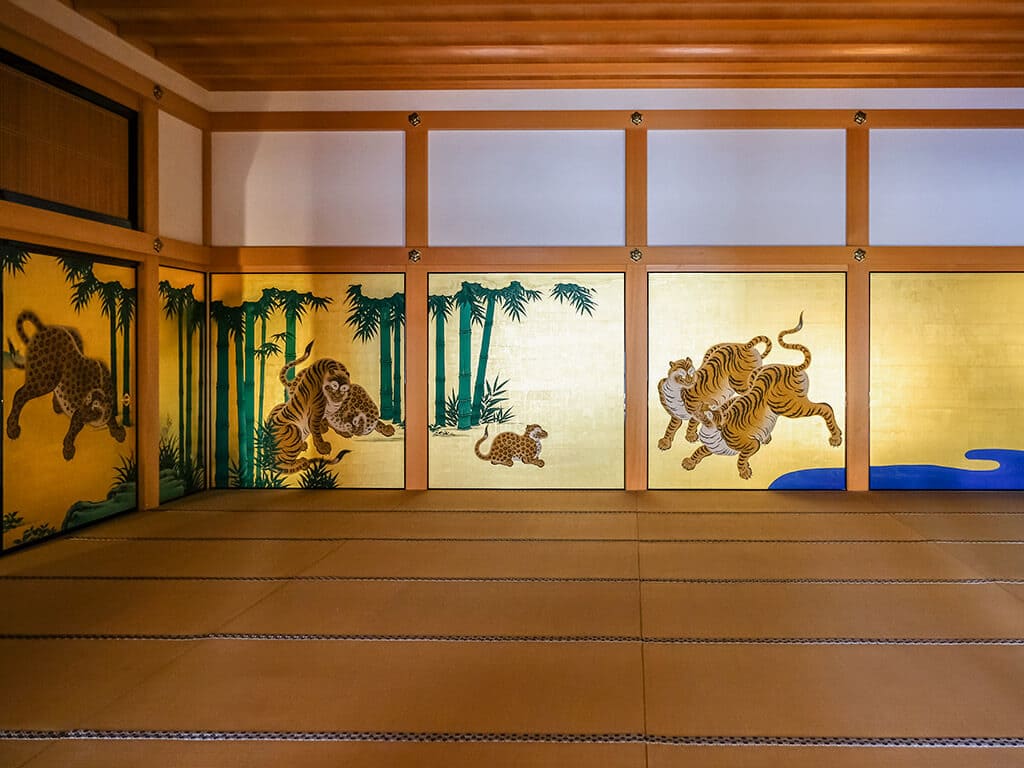
Be sure to keep a lookout for the tigers painted on the walls in one of the rooms. As you likely know, these animals aren’t native to Japan, and so the painter had no first-hand knowledge of what such an animal might look like. He painted his interpretation based on written or verbal descriptions. And we have to admit didn’t really manage to capture their likeness very well.
During peak tourist seasons, it’s common to see a queue of people waiting to enter the palace due to restrictions on the number of visitors allowed at a time.
Honmaru Palace Bathroom
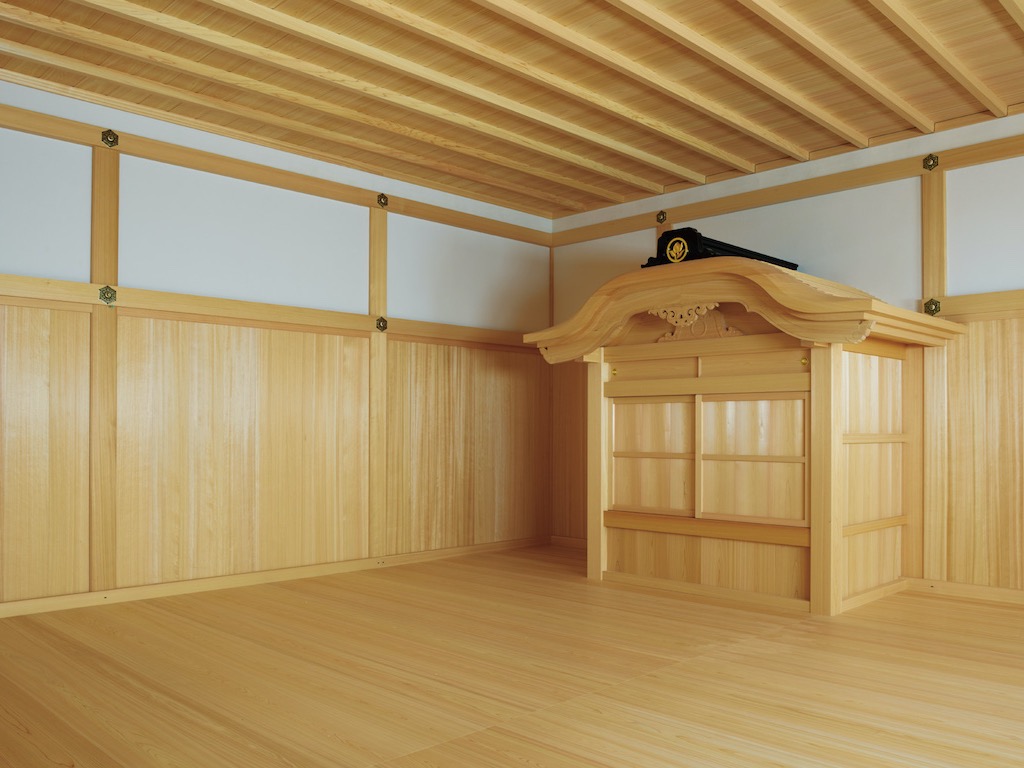
The bathrooms of the Honmaru Palace have a separate entrance and can only be accessed at certain times during the day (check the schedule at the entrance to the bathrooms during your visit) in a guided tour available only in Japanese.
This particular bathroom was built solely for the Shogun to be used during his visit. Instead of a bathtub, it features a steam bath, something that was as unusual then as it is now.
Gardens
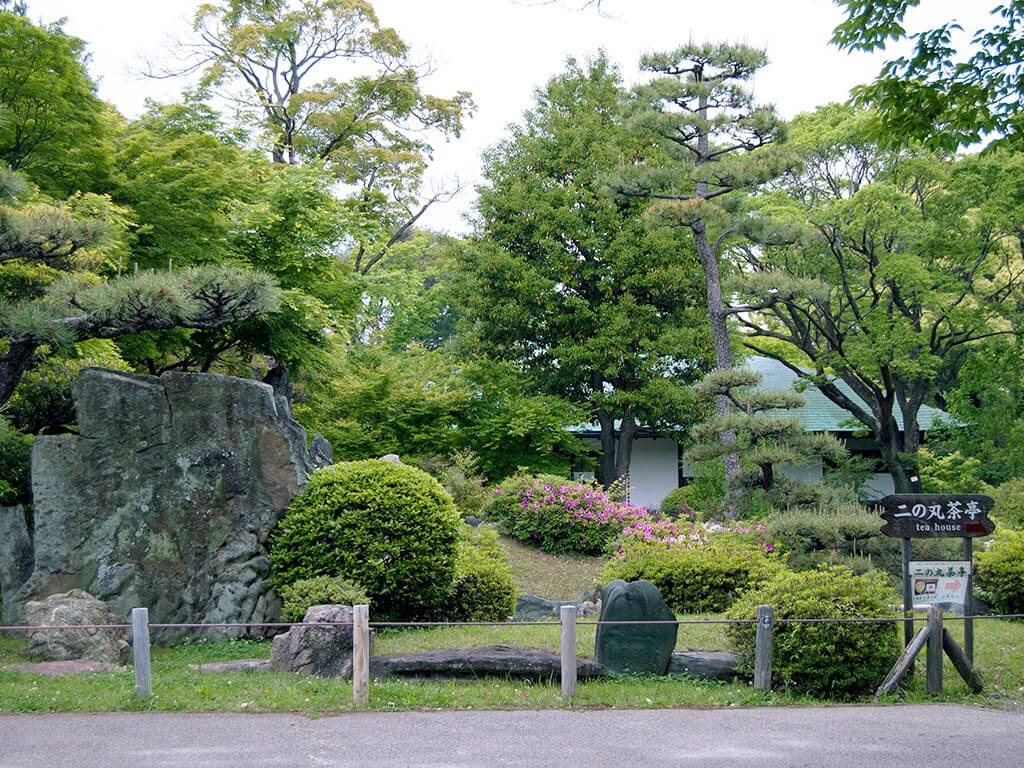
When the Ninomaru Garden was designed and built it was the largest garden adjoining any lord’s living quarters in Japan at the time. It was used in an official capacity to impress visitors as well as privately for strolls by the lords of Owari.
The garden is a beautiful Japanese-style landscape garden with walking paths, hills, and plants as well as a central tea house used to hold tea ceremonies.
A wide variety of flowers and plants can be found here and every season is a gift for all senses with cherry blossoms blooming in the spring, hydrangea in the summer, maple leaves in the autumn, and plum blossoms in the winter.
Interested in parks and flowers? Read about other beautiful Gardens in Nagoya here.
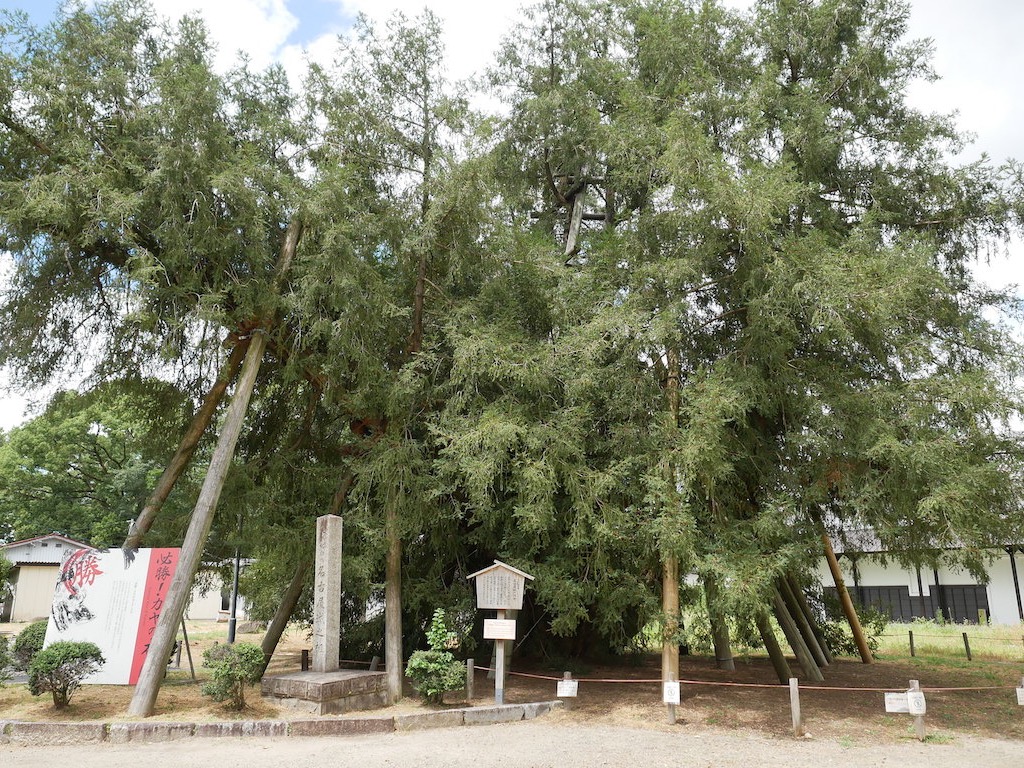
One of the natural highlights of Nagoya Castle is the 600-year-old Kaya tree. According to legend the first lord of Nagoya ate the nuts from this tree before going into battle.
Tea Houses
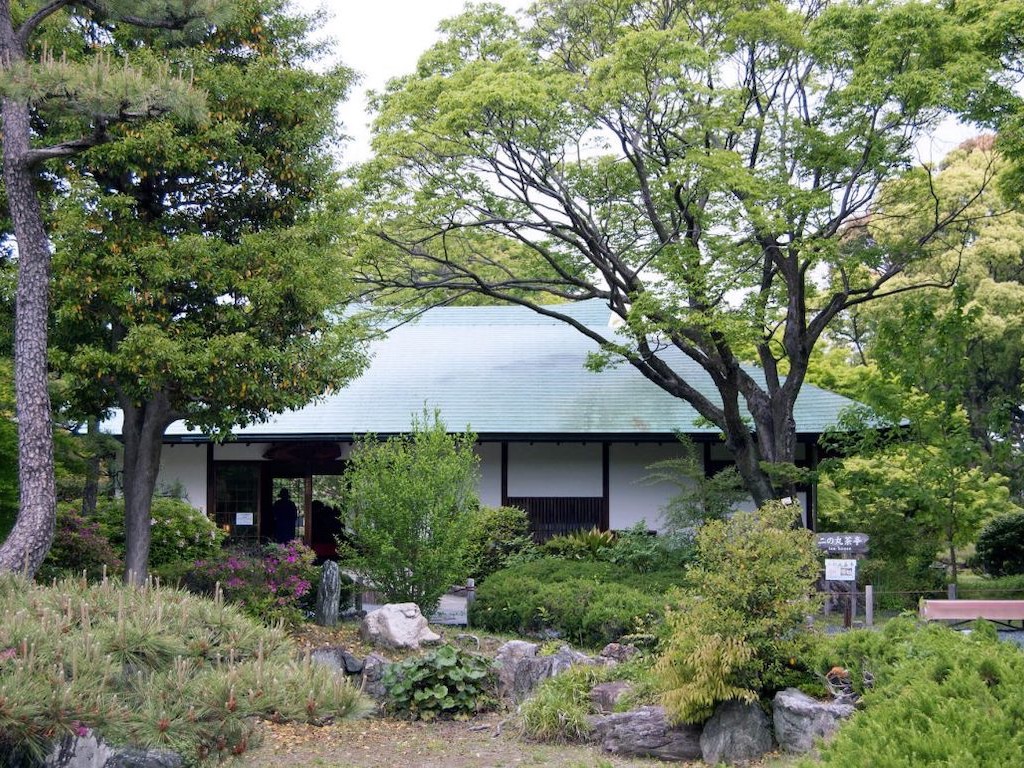
Multiple tea ceremony houses can be found in the Ofuke-maru area, at the back of the castle. These tea houses were used for ceremonies as well as for the study of tea ceremonies by the Owari Tokugawa clan. The art of tea ceremony as well as other arts such as flower arrangement, and calligraphy were held in high regard by the Owari Tokugawa clan, and these arts prospered during the long peace of the Edo Period.
Even today during special occasions throughout the year tea ceremonies are held in these tea houses. A great opportunity to see the usually closed wooden buildings from the inside and to experience Japanese tradition with all senses.
Find more places to enjoy tea in Nagoya in this post: 13 Places to Experience a Tea Ceremony in Nagoya
Stone Walls
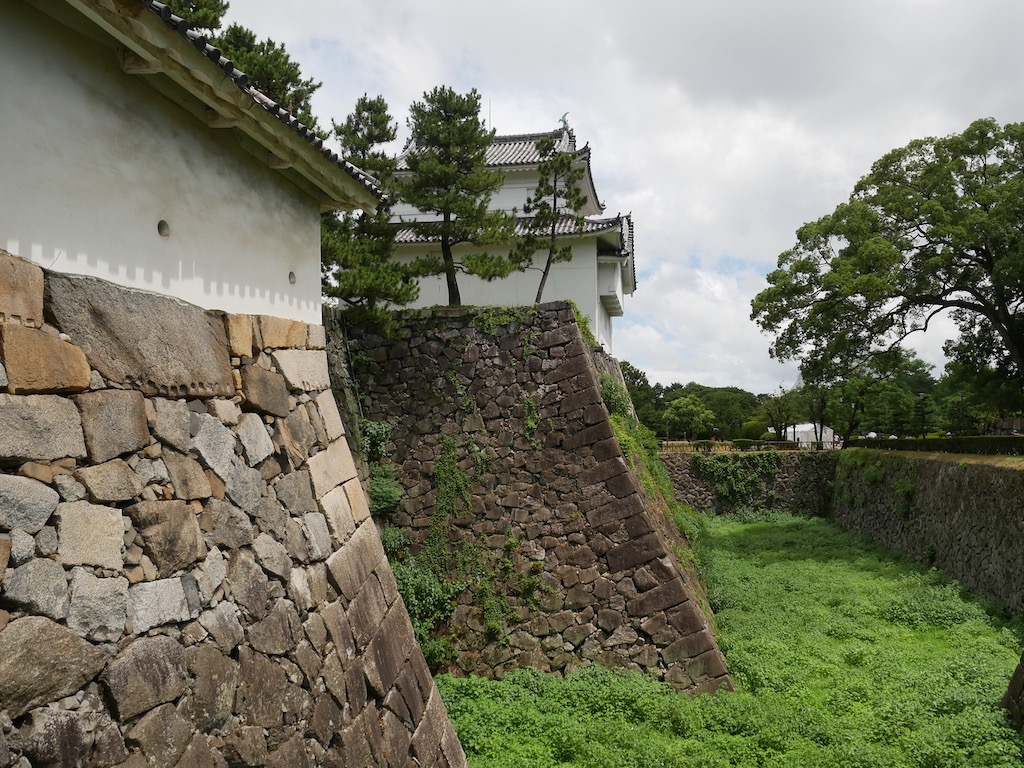
Two sets of walls surround the castle, an outer and an inner wall, that functioned as an important defense against approaching enemies.
The Daimyo, regional Samurai rulers in charge of the construction, would mark the stones with their family crests to show how much they each contributed to the construction of the walls. You can find these carvings in the stones even today, so make sure to keep a lookout.
The biggest stone in the castle walls is the so-called Kiyomasa stone, named after the architect of the castle Kato Kiyomasa, who, according to legend, brought the stone to Nagoya.
Watch Towers
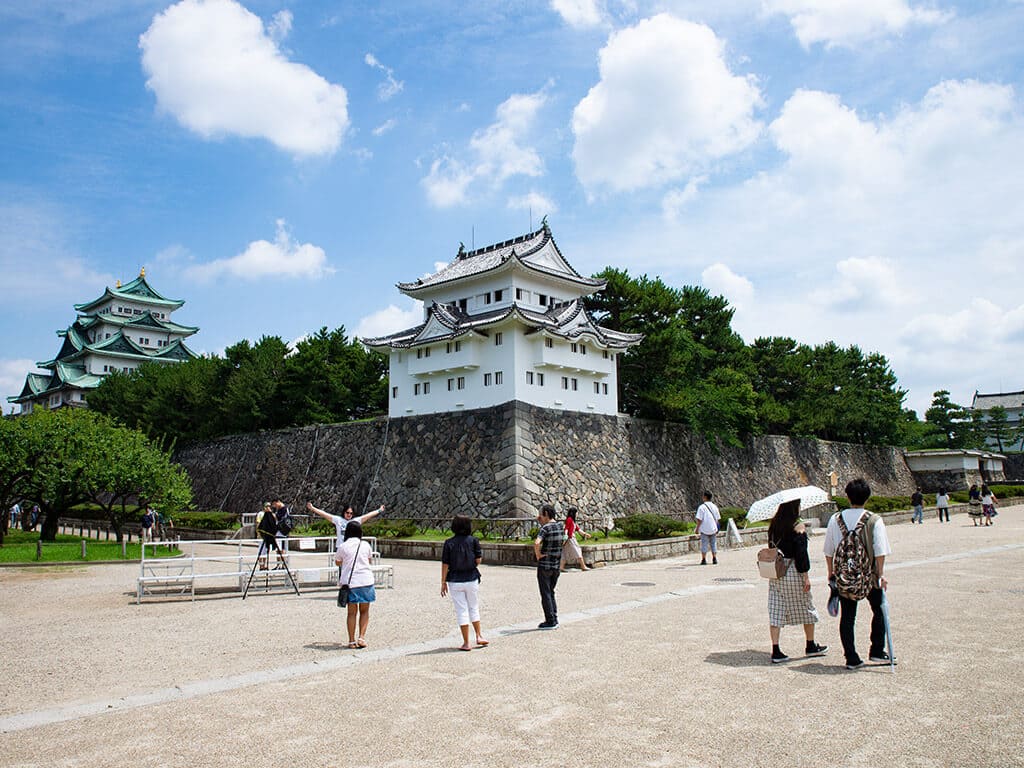
3 corner towers are situated along the two rows of thick stone walls of Nagoya Castle, but only the Southwest Corner Tower is accessible to the public. It was designed as an important defense line with three floors and so-called Ishi-otoshi: slots to drop stones straight down at enemies approaching from below.
The watchtowers at the corners were meant for lookout purposes and also served as weapons depositories, always staffed by guards, even during the long peacetime that followed the construction of the castle.
Castle Gates
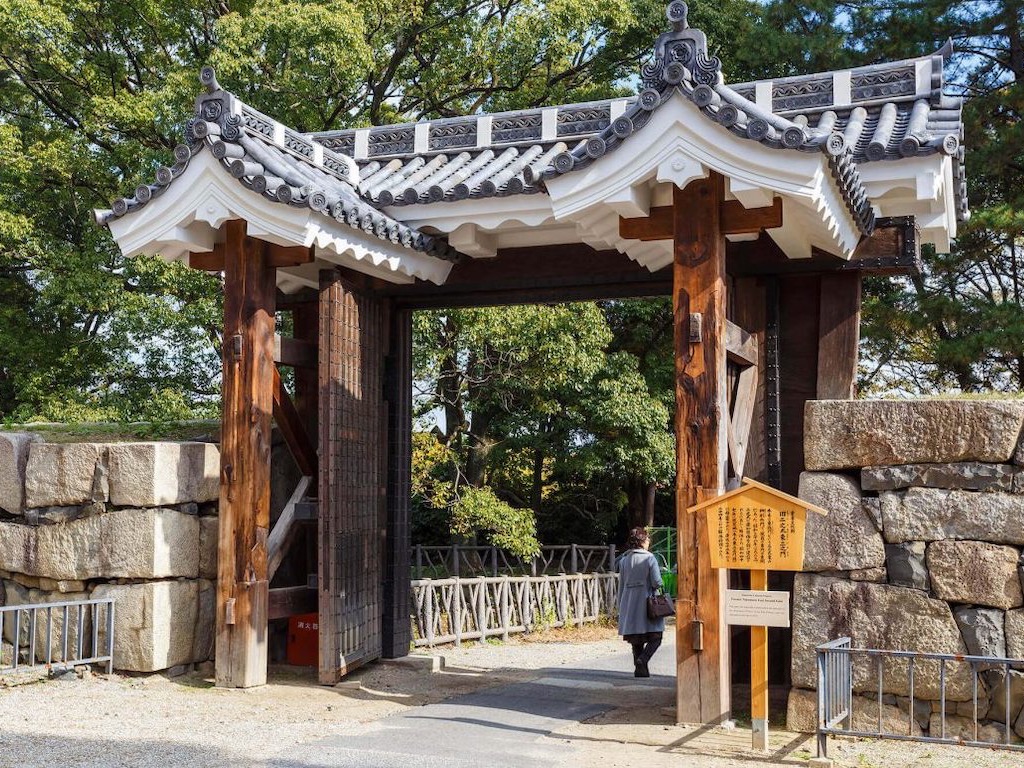
Surrounding the castle set into the stone walls were multiple sets of bigger and smaller gates, depending on their different uses. The impressive main gate, now the main entrance of Nagoya Castle, used to be reserved for the use of elite guests only.
Other important gates include the Second Front Gate set into the inner walls and the Ni-no-maru Second East Gate.
Join a Free Tour of Nagoya Castle With a Volunteer Guide Who Will Love to Share Their Love of the Castle With You
If you are interested in Japanese history it is best to visit Nagoya Castle with a guide. Even if tours usually aren’t your thing, we recommend taking the free tour at Nagoya Castle.
Free English-speaking volunteer guides from the Aichi Goodwill Guides Network gather at the East Gate of Nagoya Castle every day at 12:30. They will be happy to guide you on your tour around the castle grounds and give you lots of interesting information on the history of Nagoya, and the castle. There are no reservations required for groups with fewer than five participants.
You can also reserve a private tour at other times by contacting AGGN at guide-desk@aggn.jp or (+81) 0561-75-6977 at least 7 days in advance.
| NOTE: Many of these volunteer guides are passionate elderly Nagoya citizens who want to improve their English and share their knowledge with foreign visitors. They have a lot of interesting facts and tidbits to share. However, some aren’t very good at understanding and answering questions in English. So, please be patient. |
Satisfy your Appetite for Local Food at Nagoya Castle.
You won’t have to go hungry when visiting Nagoya Castle. There are a variety of restaurants and shops inside and outside the premises serving food for the cravings in between meals, as well as proper lunch and even impressive dining options.
Japanese Snacks at Souvenir Shop
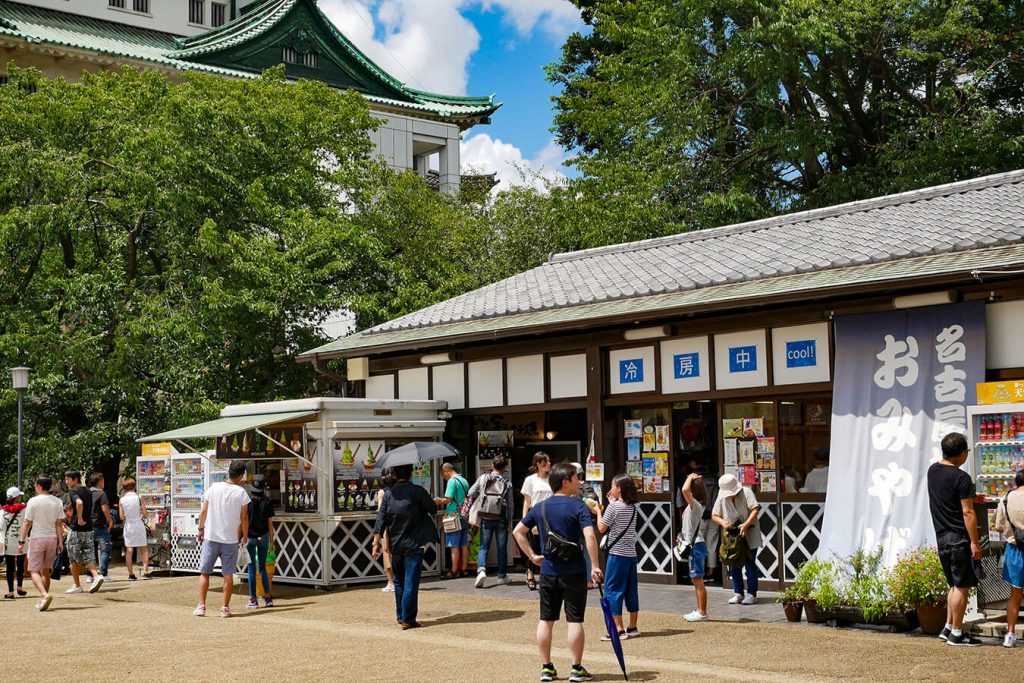
Close to the East Gate as well as next to the souvenir shop in the Honmaru area you will find two small shops selling Japanese street food snacks.
The one by the East Gate offers delicious Mitarashi Dango, rice cakes on a bamboo skewer dipped in a sweet soy sauce glaze, as well as Goheimochi, a grilled sticky rice skewer with sweet Miso. At the shop inside the Honmaru area, you can purchase various sweets, including soft-serve ice cream, which is particularly enjoyable during a summer visit. We especially love the Matcha soft-serve with sweet red bean paste.
Kishimen Lunch
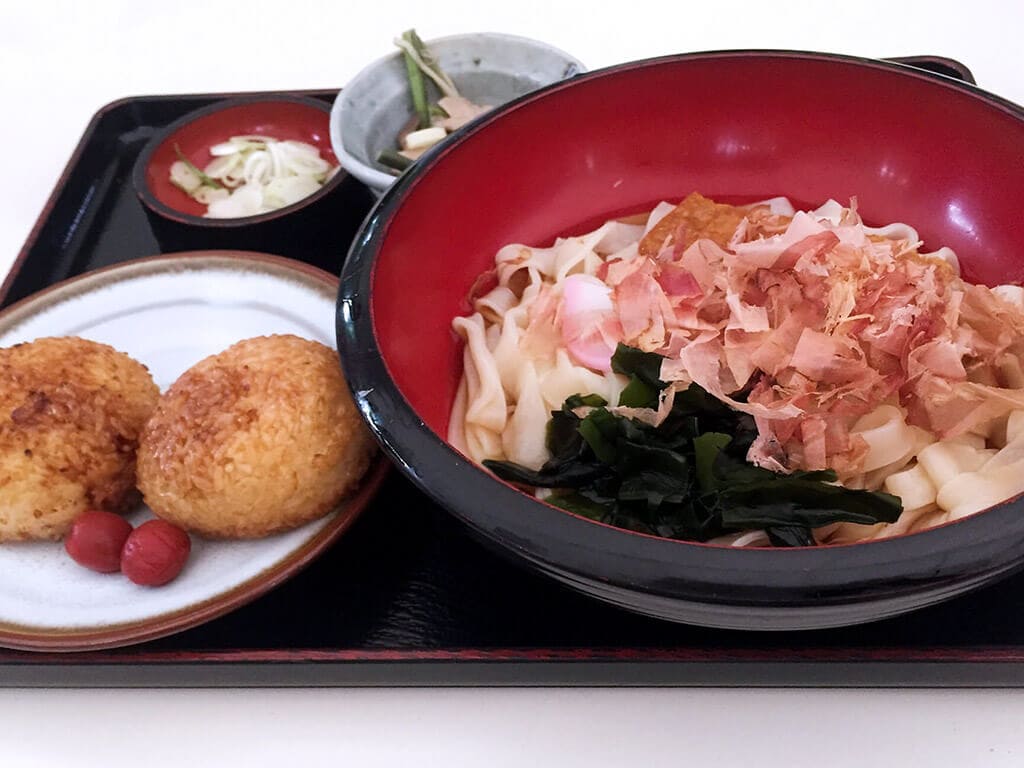
The only restaurant inside the walls of Nagoya Castle is a small Kishimen place that seems to fit in so perfectly that it could have been there since the beginning of Nagoya. This restaurant specializes in Kishimen, the flat and broad Udon noodles that are a specialty of Nagoya. They are served either hot or chilled and go especially well with a nice cold beer.
Kinshashi Yokocho
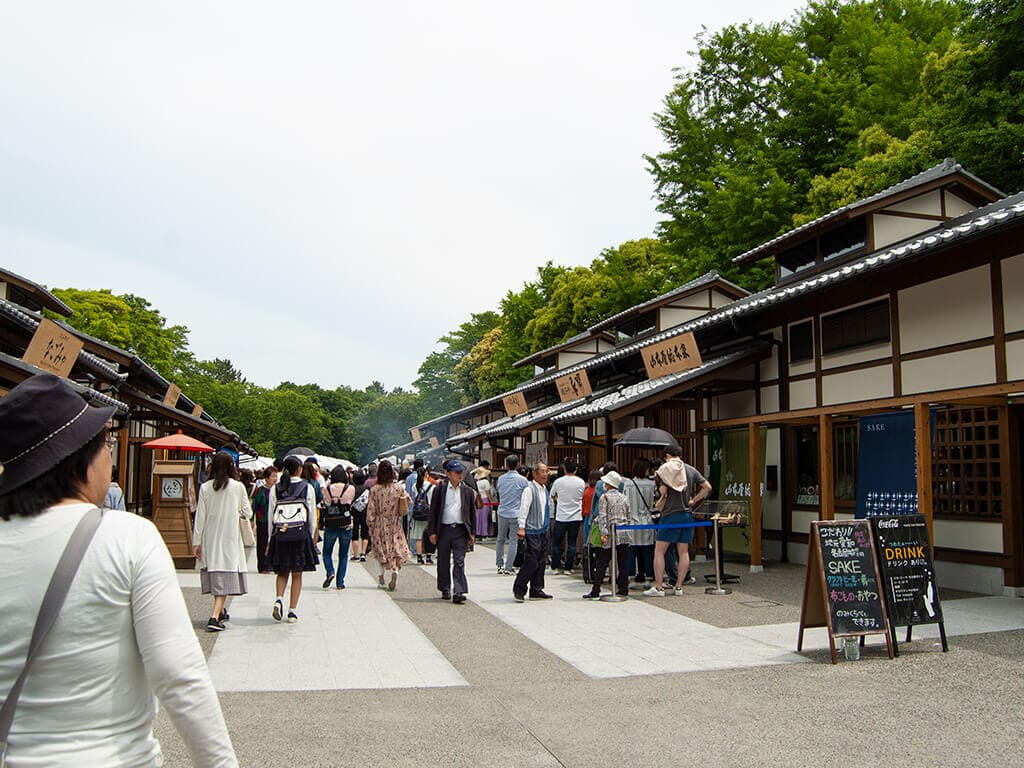
Outside of both the main gate as well as the east gate are two restaurant-lined streets collectively called Kinshachi Yokocho. The restaurants close to the main gate represent the traditional Nagoya cuisine with the most popular restaurants serving local specialties such as Hitsumabushi, Miso Nikomi Udon, and Miso Katsu.
The restaurants close to the east gate represent the modern food culture of Nagoya. Here you can find newer restaurants serving fusion food, burgers, Ramen, bubble tea, Ninja ice cream, and more.
No Matter What Time of the Year You Visit, There Is Always Some Seasonal Event Going on at Nagoya Castle
There are four main festivals at Nagoya Castle throughout the year, representing each of the seasons. These festivals can span multiple weeks and incorporate different events inside the castle grounds.
Other smaller events are also held at Nagoya Castle throughout the year.
Nagoya Castle Spring Festival
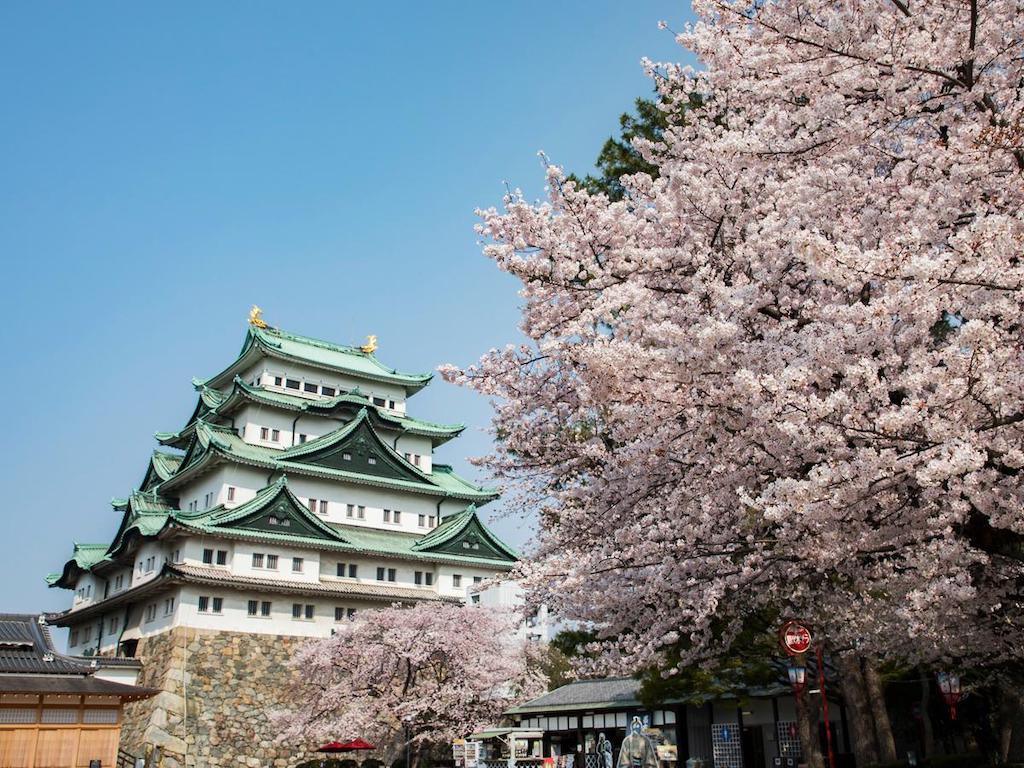
The Nagoya Castle Spring Festival begins each year with the blossoming of the cherry trees. You can revel in the beauty of over 1,000 trees planted throughout the grounds in what the Japanese call “Hanami” (literally “watch flowers”). During this tradition, people visit a park or river bank adorned with numerous cherry blossom trees to eat, drink, and have fun with friends and family.
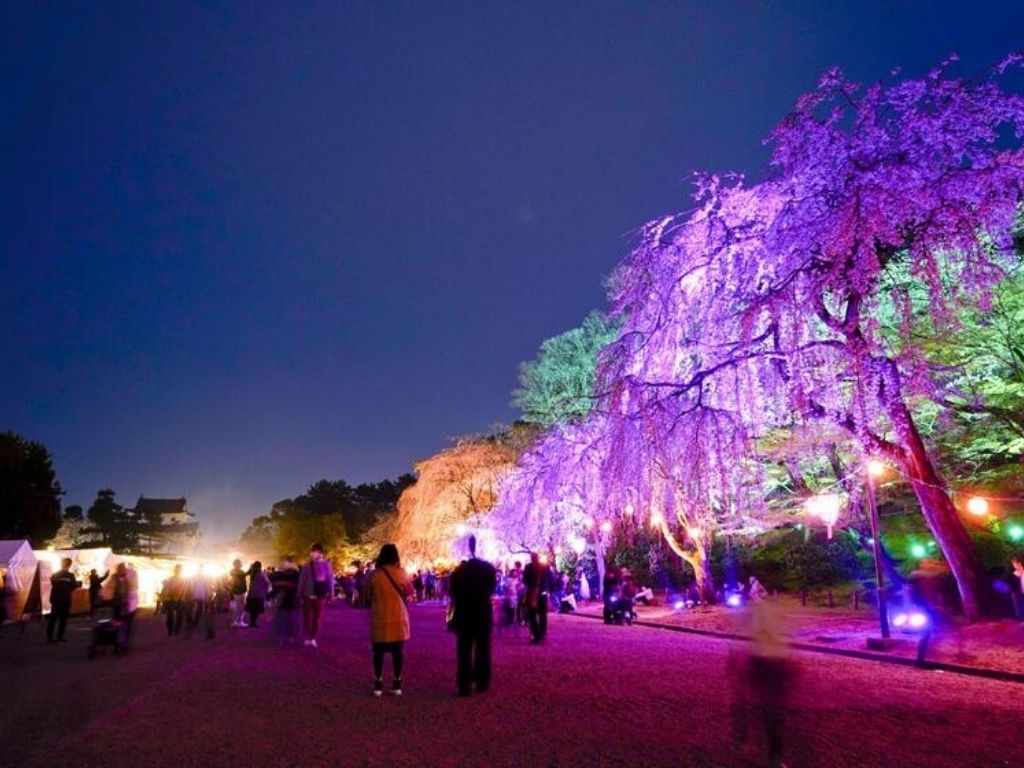
During the festival, the castle extends its opening hours, welcoming guests until 20:00. A stunning light-up event illuminates the cherry blossoms and castle every night in a magical glow.
The Nagoya Castle Sakura Festival is about more than just the cherry blossoms, though. You’ll discover a variety of limited and original Nagoya Castle souvenirs, and there are plenty of events and attractions to explore. Don’t miss the chance to attend one of the biggest festivals in Nagoya! It only lasts as long as the cherry blossoms do, so make sure to visit between late March and early April before the wind carries them away.
Nagoya Castle Summer Festival
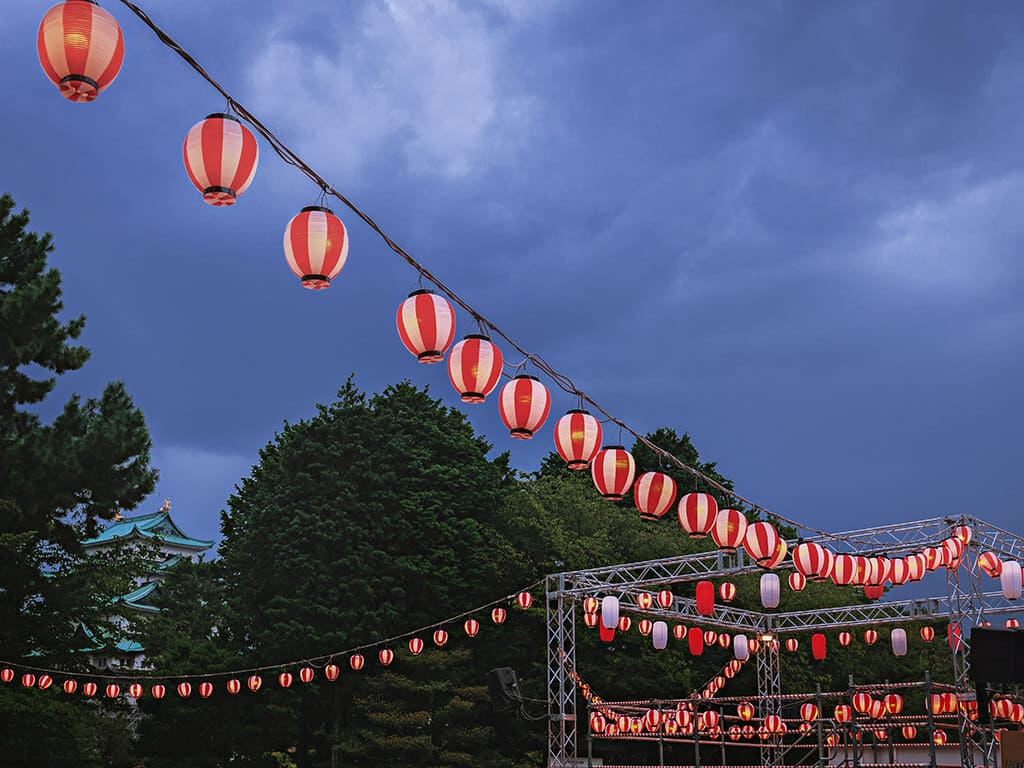
The highlight of the Nagoya Castle Summer Festival is the Bon dancing, Bon Odori, taking place during the evenings between 18:00 and 20:00. A stage is set up near the main gate, where you will find both, locals and tourists, trying to follow the traditional Japanese Bon dances. Each dance has only a small number of dance steps, making them easy to remember. Be brave, participate, and just follow along with what everybody else is doing!
Delicious festival foods, drinks, and games await you as well. The castle will be lit up at night so you can enjoy a stroll around the grounds in another unique setting. In addition to this nightly spectacle, other events such as performances, and shows take place, especially on weekends.
The Nagoya Castle Summer Festival is heldfrom early to mid-August.
For more festivals in Nagoya during the summer, make sure to check out this post.
Nagoya Castle Autumn Festival
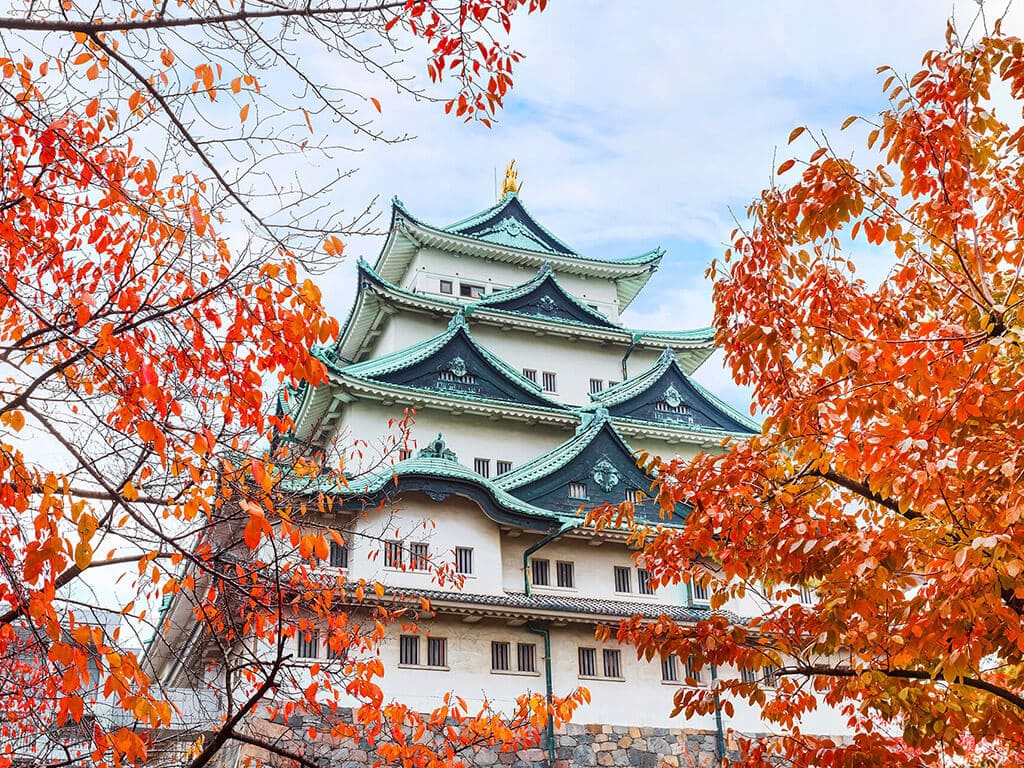
Another favorite season in Japan is autumn, and many events are held to appreciate the changing of the leaves. At the Nagoya Castle Autumn Festival, a chrysanthemum-growing competition is held and you can admire dolls dressed in the flowers throughout the castle grounds.
The festival also features delicious food, games, and stage shows, as well as access to otherwise closed areas such as one of the corner towers and tea ceremony rooms.
The festival is held from the middle of October to the end of November each year.
Nagoya Castle New Year Countdown and Winter Festival
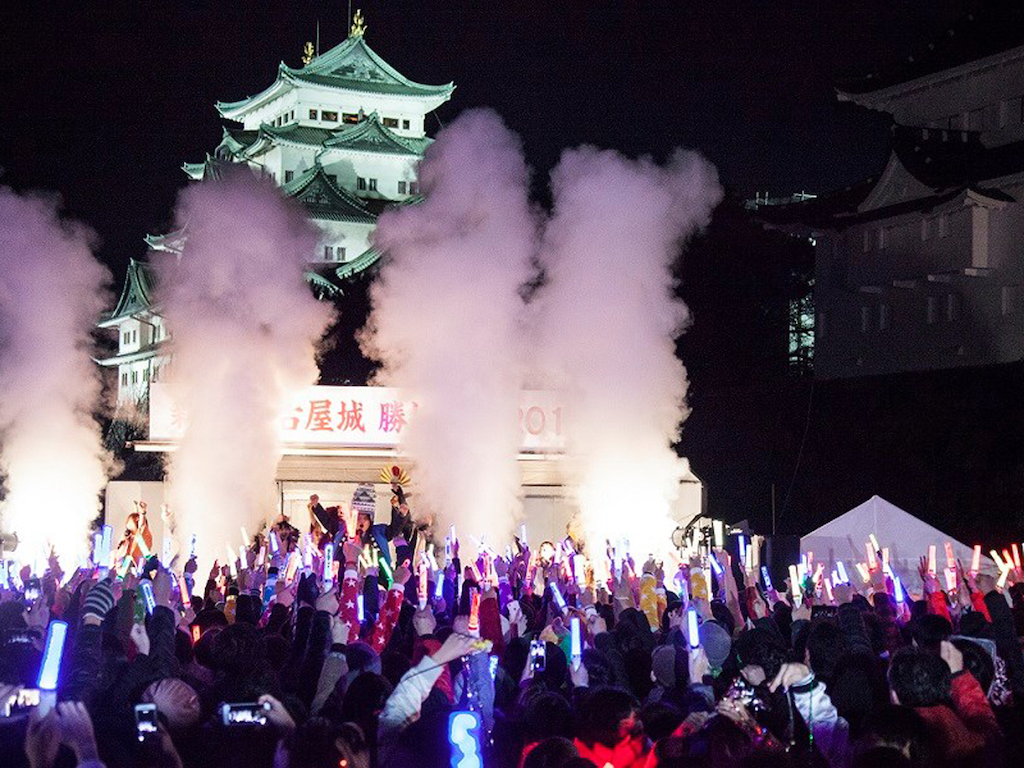
If you want to celebrate the new year in style in Nagoya head to the Nagoya Castle Countdown show with food stalls and music performances, this is one of the biggest New Year celebrations in Nagoya.
Nagoya Castle also opens its gates on the first of January to welcome its guests in the new year with small gifts and other events, as well as food and game stalls during the first days of January.
Meet the Hospitality Army of Nagoya!
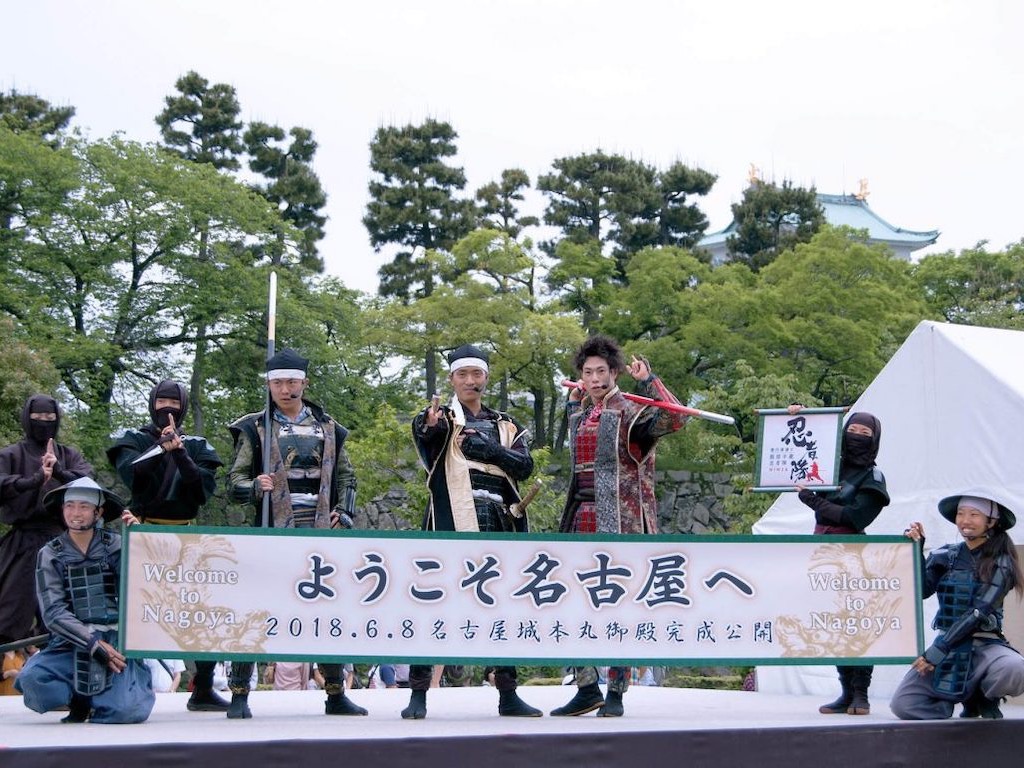
If you are a fan of Samurai you need to meet the Nagoya Omotenashi Bushotai: the Hospitality Army of Nagoya. Comprising of six army generals called Busho and four soldiers, the Nagoya Omotenashi Bushotai is here to welcome you to their city with regular performances (check the schedule for the day at the entrance of the castle).
And if you find one of the group members walking around the castle grounds feel free to have a chat in your best Japanese, so you can tell your friends at home you met a real Samurai in Japan.
Learn the Secrets of the Ninja.
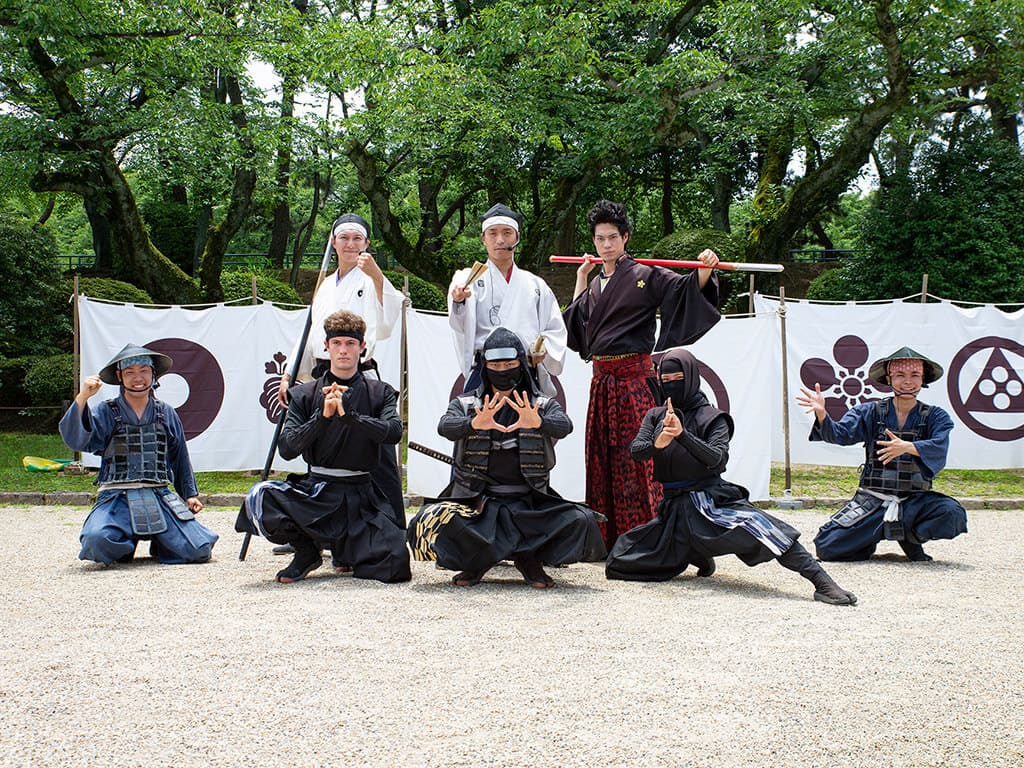
While the Samurai were the warriors fighting out in the open, secret agents of Japan’s past were Ninja. Clad in black and always in the shadows.
At Nagoya Castle, you have a chance to meet some Ninja and learn some of their secrets. Hattori Hanzo and the Ninjas is an entertainment group composed of Hattori Hanzo and his group of 7 Ninjas. They perform regularly at Nagoya Castle. Where you can watch spectacular performances, meet the Ninja in person, and take some souvenir photographs.
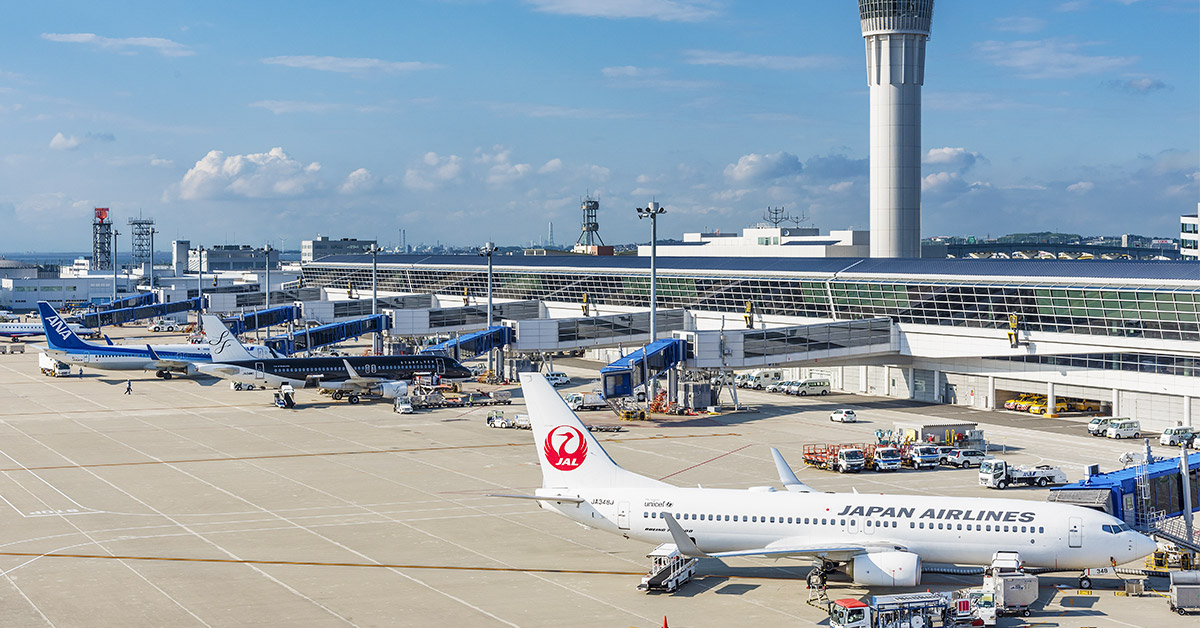
You can also watch their performances at Centrair International Airport during special events and festivals held there.
How to Get to Nagoya Castle?
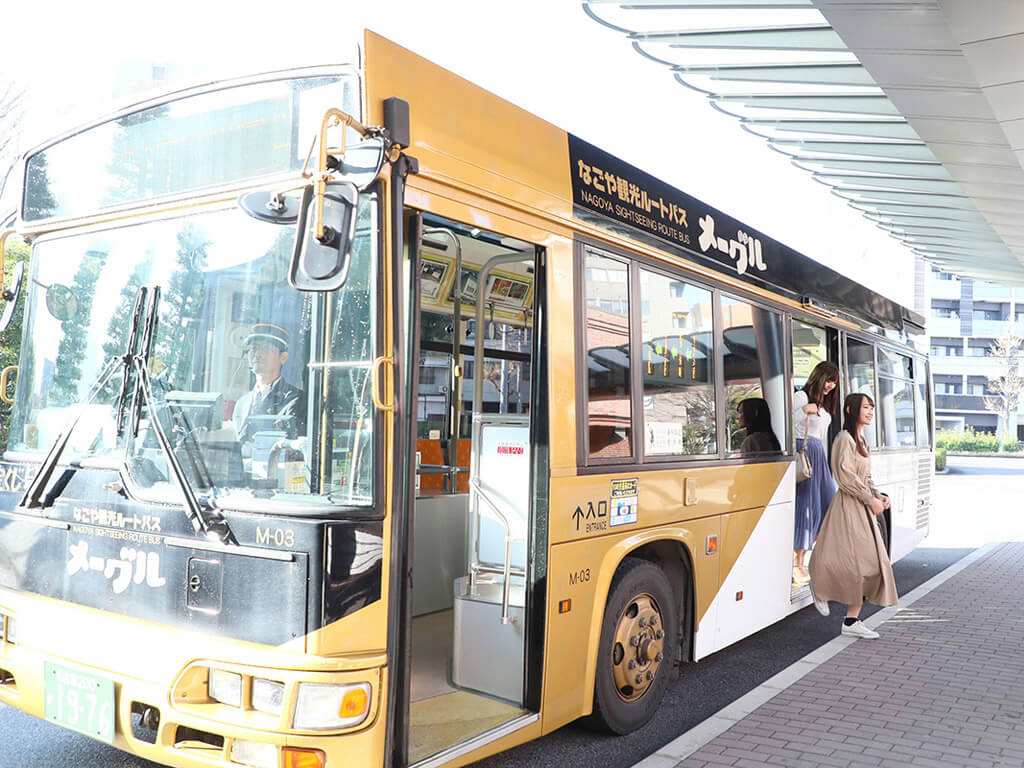
There are multiple convenient ways to reach Nagoya Castle. From Nagoya Station, you can take the Meguru Tourist Loop Bus, which will drop you off right outside the main gate. This is the easiest way to travel between the most famous sights of Nagoya such as the Toyota Commemorative Museum of Industry and Technology, Tokugawa Art Museum and Garden, and the Nagoya TV Tower. The one-day ticket costs only 500 yen.
Another option to reach Nagoya Castle is via the subway. The most convenient station is Nagoyajo Station (formerly Shiyakusho Station) on the Meijo Line which will get you to the East Gate of the castle. From Sakae, it’s only 2 stops away. If you want to take the subway from Nagoya Station you need to take the Higashiyama line to Sakae and then transfer to the Meijo Line there or the Sakuradori Line and transfer at Hisayaodori Station.
You can read more about how to move around Nagoya in our comprehensive guide here.

This post was last updated in August 2026.
Although we strive to provide you with the most accurate and up-to-date information possible, please note that changes may occur nonetheless. We recommend you confirm any relevant information such as event cancelations or changes, opening hours, or possible restrictions using a direct source. Please keep in mind that these sources might be in Japanese only.
Did you enjoy this article?
Make sure to also check out our other posts about Nagoya and trust us if we say Nagoya is not boring!
Be sure to follow us on Facebook for new articles every week, and see our Instagram for pictures and stories about Nagoya!
Tag us 📲
Have you visited Nagoya Castle before? Share your experience on social media and tag us with #nagoyaisnotboring