

Winter is one of the best times of year to eat your way through Nagoya.
Temperatures drop, evenings get darker, and suddenly the city’s food scene becomes all about steaming bowls, bubbling pots, rich miso, seasonal vegetables, and comforting dishes that make you want to stay at the table just a little longer.
Japan takes seasonal eating seriously, and winter brings its own collection of ingredients and flavors to Nagoya and Aichi. You’ll find oysters, strawberries, local mandarins, winter vegetables, freshly brewed sake, and beautiful seasonal Japanese sweets.
And then there are the Nagoya classics.
When the weather turns cold, it’s time for Miso Nikomi Udon, Miso Oden, Nagoya Cochin Nabe, and steaming bowls of Kishimen.
So what should you eat during winter in Nagoya?
Here are some of our favorite winter foods, seasonal ingredients, drinks, and experiences to put on your list!
Article Contents
Nagoya Winter Foods You Shouldn’t Miss
Winter doesn’t just bring new ingredients to Nagoya. It is also the season when some of the city’s most comforting dishes really come into their own.
If you only have time to try a few winter foods, start with these.
Miso Nikomi Udon: Nagoya’s Ultimate Winter Comfort Food

When temperatures drop in Nagoya, it’s time for Miso Nikomi Udon.
This is probably the ultimate Nagoya winter food.
Firm udon noodles are simmered in a rich red miso-based broth, traditionally served bubbling hot in a small donabe pot. You’ll often find toppings such as green onion, egg, kamaboko, and chicken, with different restaurants adding their own variations.
The broth is deep, savory, slightly sweet, and packed with umami.
And because the noodles are cooked directly in the broth, the whole dish arrives at the table piping hot.
There is something particularly satisfying about eating Miso Nikomi Udon on a cold winter day after walking around Nagoya. It’s hearty without being complicated, and it gives you a very good introduction to the flavors that make Nagoya cuisine different from other parts of Japan.
If there is one winter dish we would tell first-time visitors not to miss, this is it.
👉 Read our Guide on Where to Find the Best Misonikomi Udon in Nagoya
Miso Oden: Nagoya’s Red-Miso Take on a Winter Classic
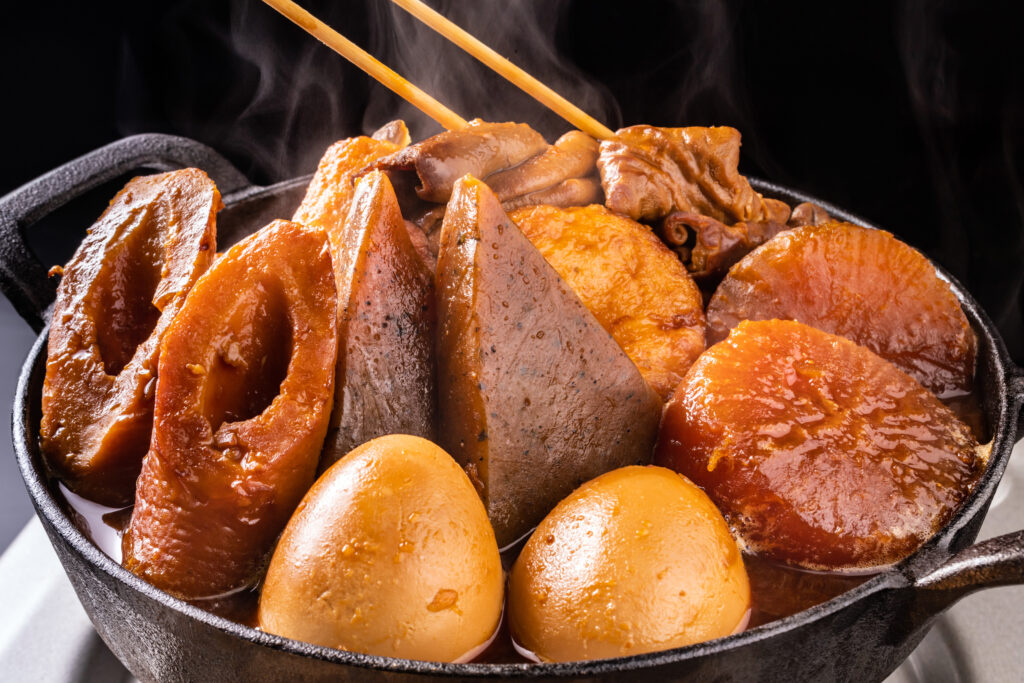
Oden is one of Japan’s classic cold-weather comfort foods.
Across Japan, you’ll find ingredients such as daikon radish, eggs, konjac, tofu, fish cakes, and other ingredients simmering gently in a flavorful broth.
Nagoya, naturally, has its own version.
Miso Oden uses Nagoya-style red miso to give the dish a much deeper, richer flavor and darker color.
One of the best things about Miso Oden is the daikon.
After slowly simmering in the broth, the radish becomes incredibly tender and absorbs all that rich miso flavor. It’s simple, but exactly the kind of food you want when it’s cold outside.
Look for Miso Oden at izakayas and local restaurants during the winter months. And if you’re having it with a glass of Aichi sake, even better.
Nagoya Cochin Nabe: Warming Hot Pot with Local Chicken

Nagoya is home to one of Japan’s most famous local chicken breeds: Nagoya Cochin.
Known for its firm texture and rich umami flavor, Nagoya Cochin has long been an important part of the region’s food culture.
And winter is a particularly good time to try it in nabe, Japanese hot pot.
Nagoya Cochin Nabe is a warming hot pot filled with chicken and seasonal ingredients, cooked together in a flavorful broth. As the ingredients simmer at the table, the broth becomes richer and more delicious.
Nabe is also one of those meals that feels very Japanese in winter. Rather than simply ordering a finished dish, everyone gathers around the pot, cooks together, and helps themselves as the meal progresses.
For food lovers, it’s a delicious way to experience Nagoya Cochin while also enjoying one of Japan’s favorite winter dining traditions.
Kishimen: Nagoya’s Flat Noodles Served Hot

If you see a bowl of wide, flat noodles in Nagoya, you’ve probably found Kishimen.
Kishimen is one of Nagoya’s signature noodle dishes, known for its unusually wide and flat noodles. They’re usually served in a light dashi-based broth with toppings such as green onion, bonito flakes, and other seasonal ingredients.
The noodles have plenty of surface area, which means they soak up the broth beautifully.
While Kishimen can be enjoyed hot or cold, a steaming bowl of hot Kishimen is particularly appealing during winter.
It also makes an excellent quick meal if you’re arriving in Nagoya by train. Some of the city’s most convenient Kishimen restaurants are right around Nagoya Station.
👉 Read our Guide to Nagoya’s Signature Kishimen Noodles
Seasonal Flavors & Limited Menus
Winter in Nagoya isn’t only about hearty local specialties.
This is also the time to look for seasonal ingredients that appear on restaurant menus, in markets, and in shops around Aichi.
Kaki Fry: Crispy, Juicy Winter Oysters

Oysters are one of the great pleasures of Japan’s colder months.
Kaki Fry, or fried oysters, takes plump oysters, coats them in breadcrumbs, and deep-fries them until golden and crispy.
The result is crunchy on the outside, juicy and briny inside, and usually served with shredded cabbage, lemon, and tartar sauce.
You may already know Kaki Fry as a Japanese comfort-food classic, but winter is a particularly good time to look for oyster dishes as seasonal menus change.
If you’re a seafood lover, keep an eye out for oysters at izakaya, Japanese set-meal restaurants, and seasonal menus around Nagoya.
Winter Fruits in Aichi
Nishio Strawberries: A Sweet Temptation

Winter is also strawberry season in Japan, and Aichi is a fantastic place to enjoy them.
Nishio is particularly well known for strawberry production, and during winter you may find locally grown strawberries appearing in fruit shops, desserts, cakes, parfaits, and seasonal sweets.
Japanese strawberries are famous for being beautifully presented as well as delicious. They tend to be large, fragrant, and very sweet, making them perfect for eating fresh or turning into desserts.
If you’re visiting Nagoya between winter and early spring, look out for limited-time strawberry creations at cafes and patisseries.
You may find strawberry parfaits, strawberry shortcakes, strawberry daifuku, and other seasonal treats that disappear once the season changes.
👉 Read our Guide to Aichi’s Matcha Town of Nishio
Gamagori Mikan: A Taste of Winter Sunshine
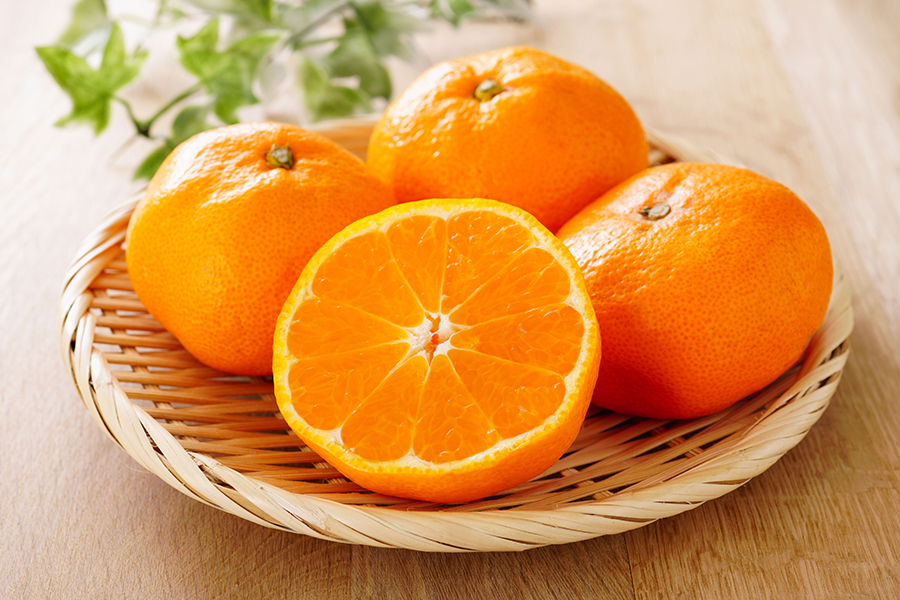
If strawberries are one of winter’s sweetest treats, Gamagori Mikan is its burst of sunshine.
Gamagori, on the coast of Aichi, is famous for its mandarins. The area’s mild climate, sunshine, and coastal environment are particularly well suited to citrus growing.
The winter varieties are especially worth seeking out.
Gamagori’s Aoshima mandarins are available from January into February and are known for their rich, sweet flavor.
And yes, there is something wonderfully Japanese about eating a mandarin while sitting somewhere warm in winter.
If you have time for a day trip from Nagoya, Gamagori is also an interesting place to explore beyond the city.
👉 Read our Guide to Nagoya’s Coastal Day Trip Destination, Gamagori
Winter Sake: Something to Warm Up With in Nagoya

Winter is a fascinating time for sake lovers.
Sake brewing is closely connected to the colder months, and winter is when many breweries release new sake from the season’s brewing cycle.
Look for words such as shinshu, meaning new sake, or shiboritate, referring to freshly pressed sake. You may also come across nama-zake, unpasteurized sake that tends to have a particularly fresh and lively character.
The exact availability varies by brewery, but winter is a great season to explore seasonal sake releases from Nagoya and Aichi.
And, of course, sake tastes even better when paired with winter food.
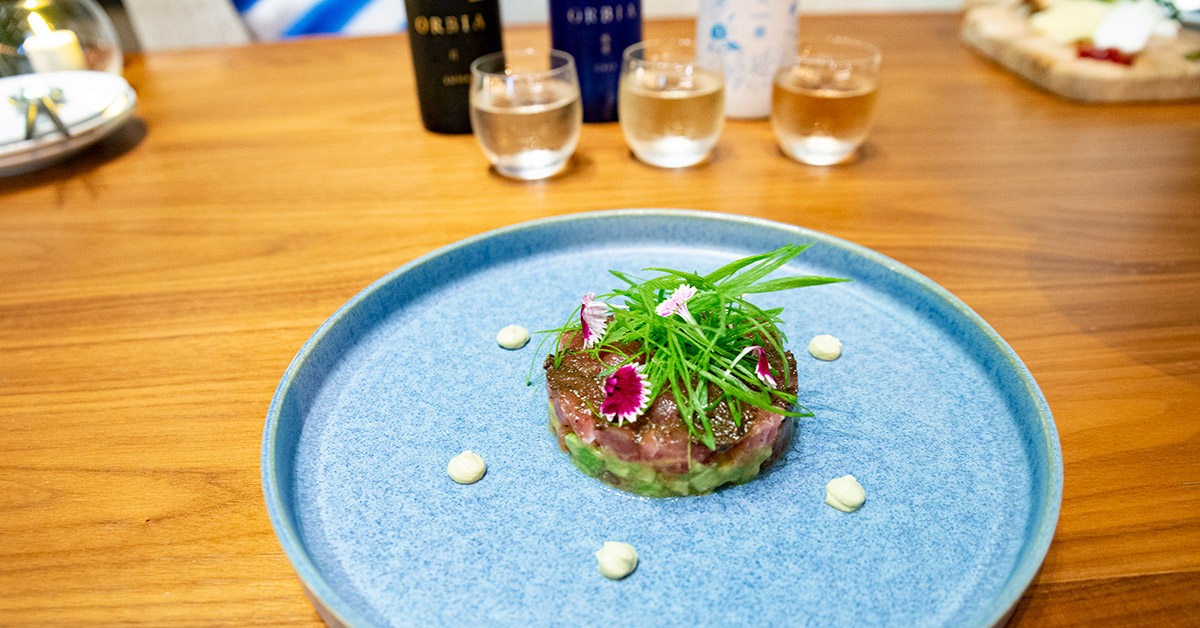
Try it alongside Miso Oden, grilled fish, oysters, or a selection of small dishes at an izakaya.
If you want to learn more about the different styles of sake and how they pair with Japanese food, our Sake Tasting & Izakaya Night Tour is a great way to experience Nagoya’s food and drinking culture with a local guide.

Winter Vegetables in Aichi
Winter is also when some of Aichi’s everyday vegetables really shine.
You’ll find many of these ingredients appearing in nabe, oden, noodle dishes, simmered dishes, and home cooking.
Daikon
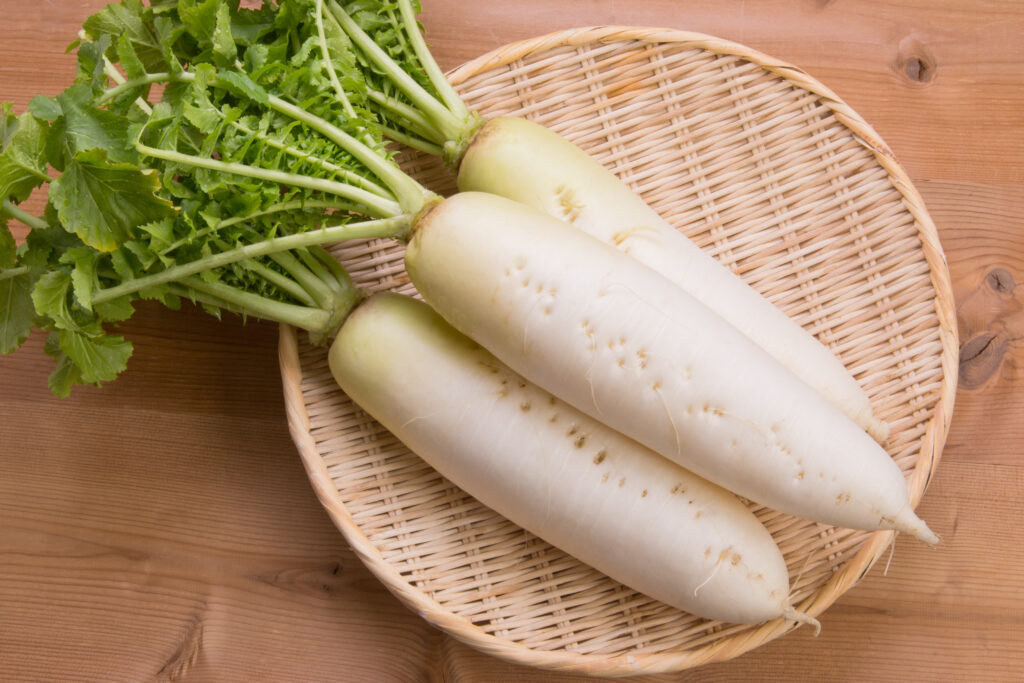
Daikon is practically made for winter.
It becomes wonderfully tender when simmered, which makes it one of the stars of oden and other Japanese winter dishes.
Hakusai / Chinese Cabbage
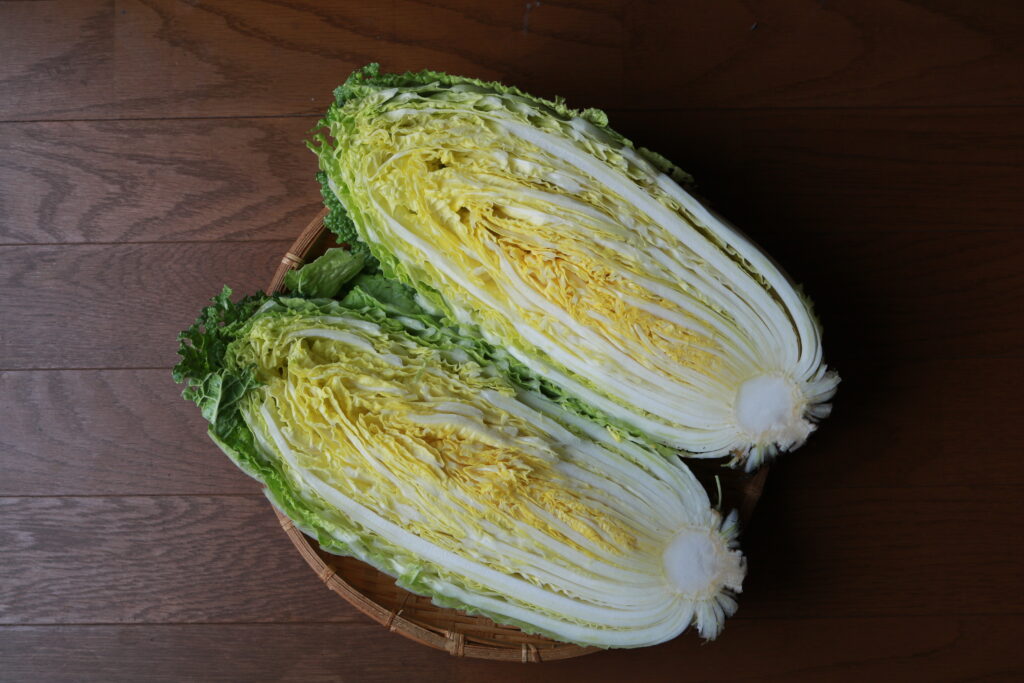
Hakusai, or Chinese cabbage, is another essential winter ingredient.
It’s a staple of Japanese hot pots because it becomes soft and sweet as it cooks.
Put it in nabe with chicken, mushrooms, tofu, and green onions, and you have one of the simplest and most satisfying winter meals imaginable.
Negi / Green Onion
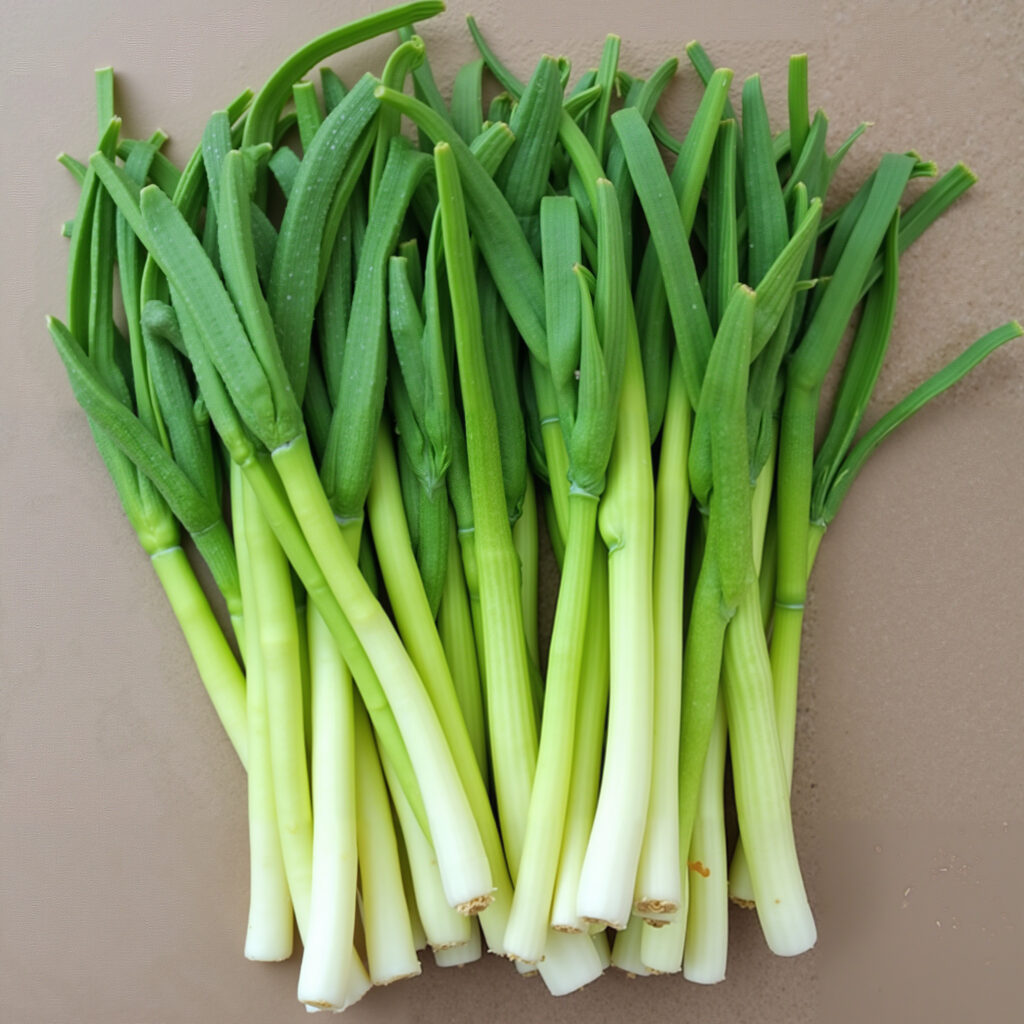
Negi, or Japanese green onion, appears everywhere during winter.
You’ll find it scattered over noodle dishes, added to hot pots, grilled alongside meat, and used as a finishing touch for soups and stews.
It adds freshness and a gentle sharpness that cuts through richer winter flavors.
Lotus Root
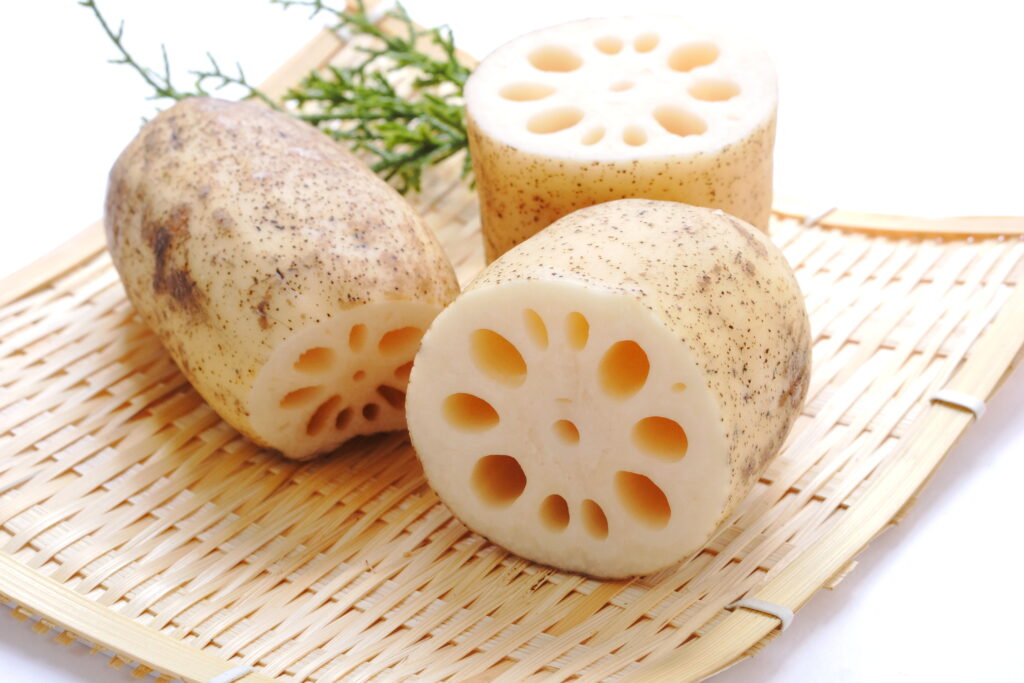
Lotus root, or renkon, is another Aichi vegetable worth looking for.
Its crunchy texture makes it especially interesting in Japanese cooking, where it may be simmered, stir-fried, deep-fried, or added to seasonal dishes.
It’s also one of those ingredients that looks beautiful on the plate, with its distinctive pattern of holes.
Carrots and Other Root Vegetables
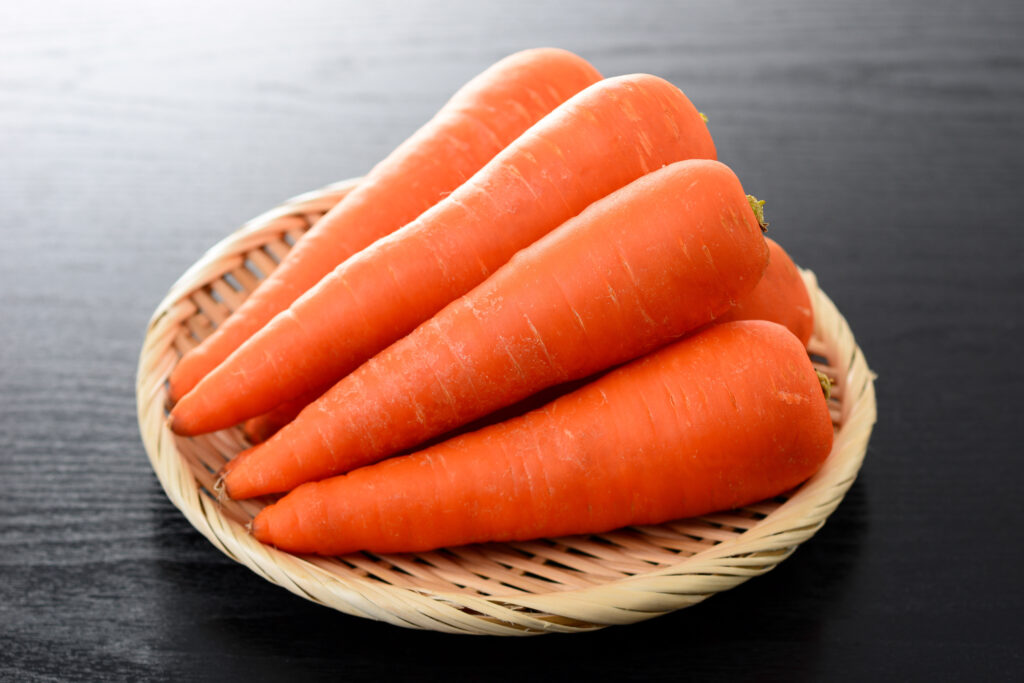
Winter is a great time for root vegetables.
Carrots, daikon, lotus root, and other root vegetables appear in everything from simmered dishes to hot pots and everyday Japanese home cooking.
They’re hearty, versatile, and particularly good at absorbing the flavors of a rich broth.
Local Aichi Greens
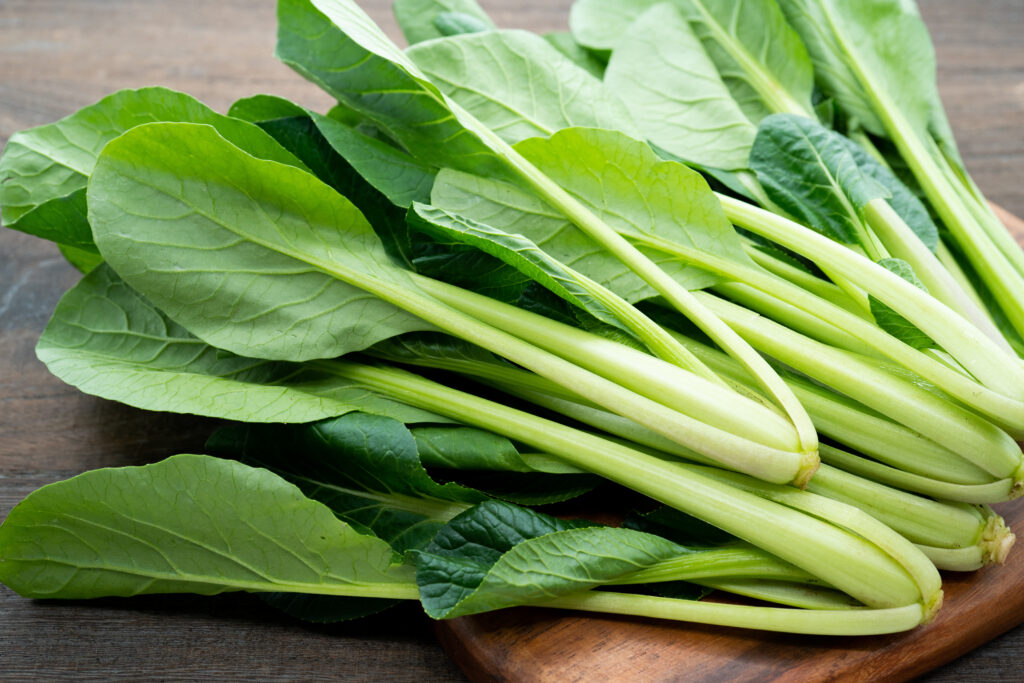
Aichi produces a wide range of leafy vegetables, including spinach, komatsuna, mitsuba, bok choy, and other greens.
Many of these are particularly useful in winter cooking, where they add color and freshness to hot pots, soups, noodle dishes, and everyday meals.
Winter Cabbage
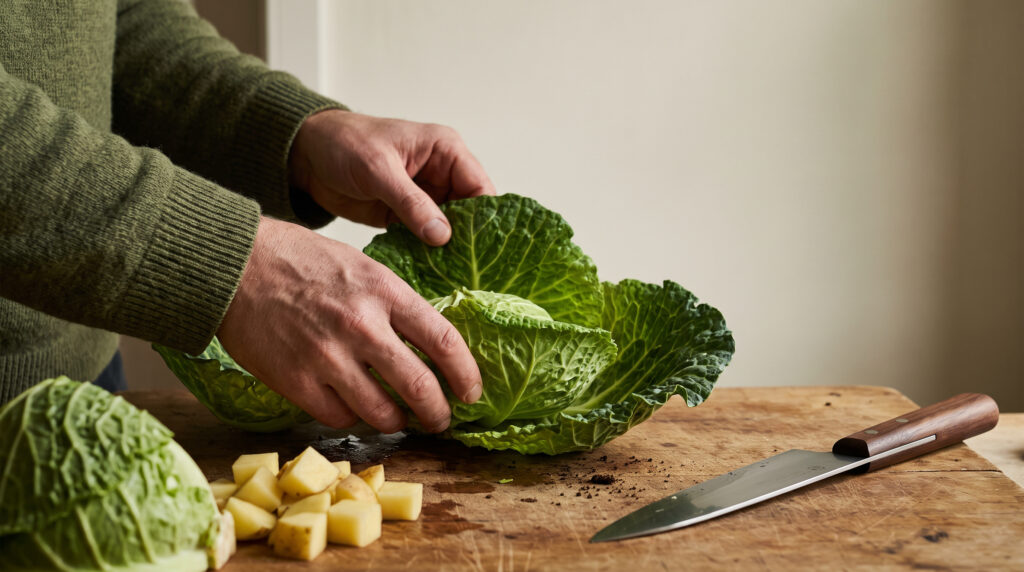
Don’t overlook winter cabbage!
Winter cabbage varieties have tighter heads and become sweeter when cooked, making them particularly well suited to hot dishes.
You may find cabbage alongside fried foods, in hot pots, or simply cooked as part of a Japanese home-style meal.
Winter Sweets: Beautiful, Seasonal, and Often Limited
Japanese sweets change with the seasons, and winter is no exception.
Seasonal Nerikiri

Nerikiri is one of the most beautiful examples of Japanese seasonal confectionery.
These delicate wagashi are made from sweet bean paste and other ingredients, then shaped by hand into designs inspired by nature, flowers, weather, and seasonal events.
Winter nerikiri may feature motifs such as snow, plum blossoms, camellias, or other signs of the season.
The designs are often subtle and elegant, which is part of what makes Japanese sweets so fascinating.
And of course, nerikiri is even better with a bowl of matcha.
If you want to do more than simply eat Japanese sweets, our Nerikiri & Matcha Experience gives you the chance to make your own seasonal nerikiri before preparing and enjoying matcha.

New Year Confectionery
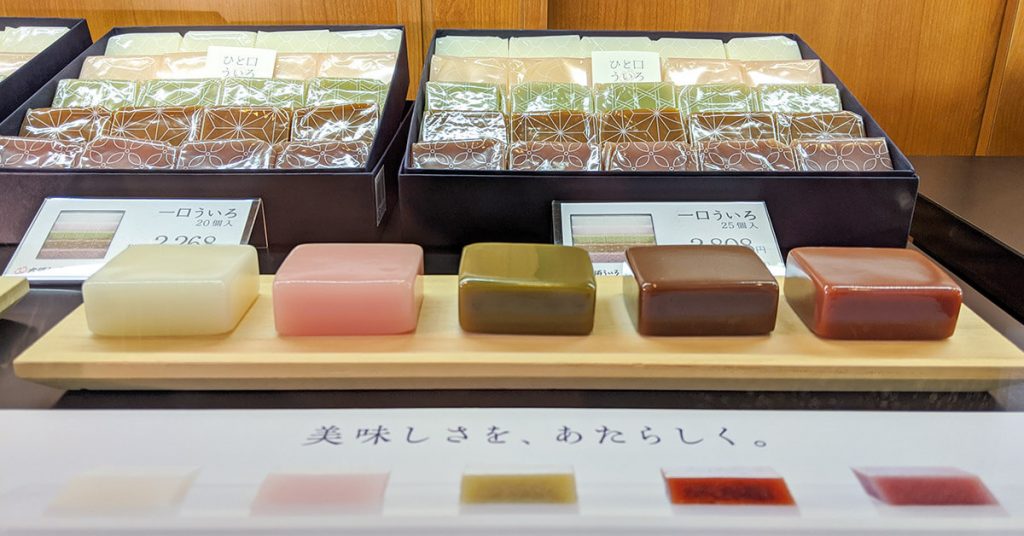
Winter in Japan also means New Year, and that brings its own world of traditional sweets and foods.
Around the New Year period, you may encounter special wagashi, beautifully packaged sweets, mochi, and other seasonal treats designed specifically for the holiday.
New Year is one of the most important celebrations in Japan, so food becomes part of the experience of the season itself.
If you happen to be in Nagoya around the New Year period, keep an eye out for limited-edition sweets and beautifully presented gift boxes in department stores, wagashi shops, and specialty food halls.
The Secret Behind Nagoya’s Winter Flavor: Fermentation
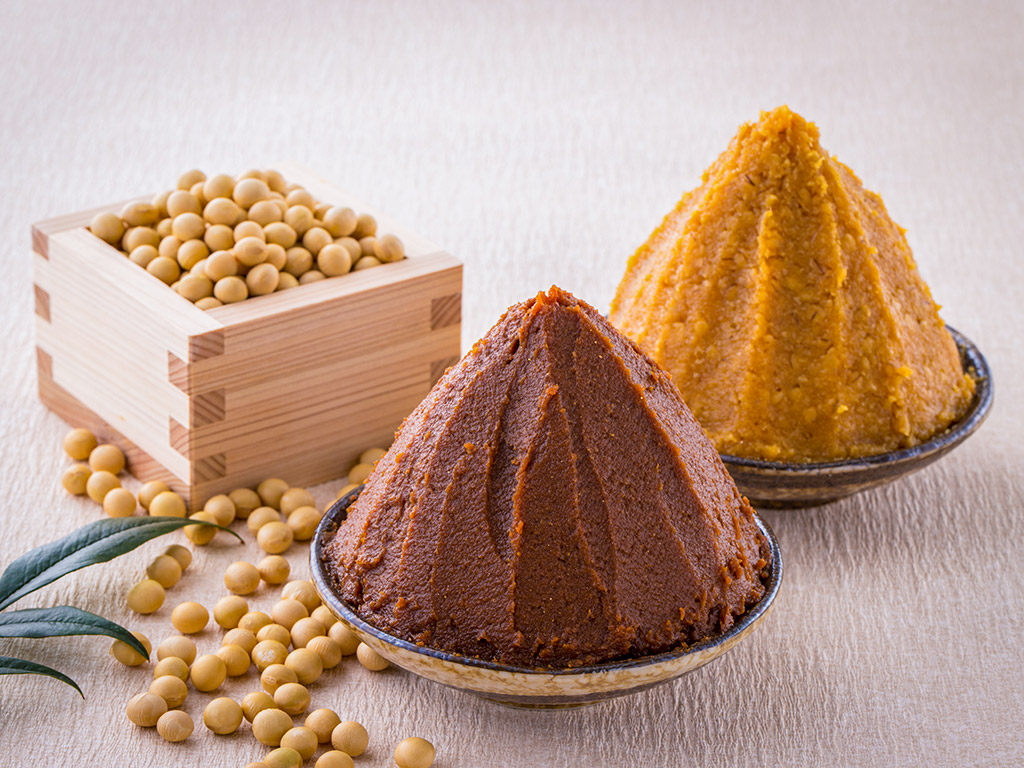
There’s a reason so many of Nagoya’s best winter dishes taste deep, rich, and intensely savory: fermentation.
Nagoya and the surrounding Aichi region have one of Japan’s most distinctive fermented food cultures. For centuries, local producers have made soybean miso, tamari soy sauce, mirin, sake, and other fermented products that continue to shape the way people cook and eat here today.
The Star of Nagoya’s Fermented Food Culture: Mame Miso

At the heart of it all is mame miso, a soybean miso made primarily from soybeans rather than the rice or barley commonly used for many other types of Japanese miso.
It is dark, robust, deeply savory, and packed with umami. You’ll encounter it throughout Nagoya cuisine, but winter is when it really shines.
It gives Miso Nikomi Udon its characteristic rich broth, transforms ordinary oden into Nagoya-style Miso Oden, and appears in sauces, simmered dishes, and other local comfort foods.
If you’re wondering why Nagoya’s winter food tastes noticeably different from food in Tokyo or Kyoto, mame miso is a big part of the answer.
Tamari: Rich, Concentrated Umami

Aichi is also closely associated with tamari, a dark, rich seasoning traditionally connected to soybean miso production.
Compared with regular soy sauce, tamari has a fuller, more concentrated flavor and plenty of umami. It can be used for dipping, seasoning, grilling, and adding depth to cooked dishes.
Together, mame miso and tamari help create the bold savory flavors that have become such an important part of Nagoya’s culinary identity.
Sake & Mirin: Fermentation Beyond Miso
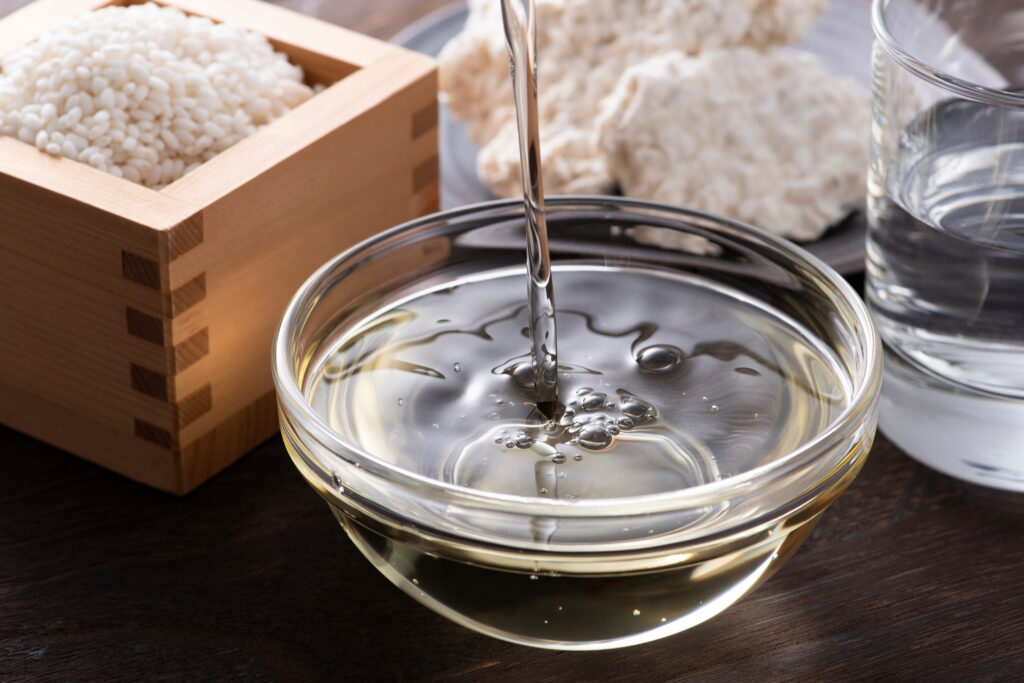
Fermentation in Aichi goes far beyond soybeans.
The region also has a long tradition of sake brewing, and winter is an especially interesting season for sake lovers as breweries produce and release sake from the new brewing cycle. Enjoying local sake alongside warming izakaya dishes is one of our favorite ways to experience a Nagoya winter evening.
Then there’s mirin, the sweet rice seasoning used throughout Japanese cooking. Rather than simply making food sweet, mirin adds balance, gloss, and depth to sauces, marinades, and simmered dishes.
Together, these fermented ingredients tell an important story about Aichi’s food culture:
Mame miso brings richness.
Tamari brings concentrated umami.
Sake brings aroma, flavor, and drinking culture.
Mirin brings sweetness and balance.
Once you know what to look for, you’ll start noticing fermentation everywhere, from a bubbling pot of Miso Nikomi Udon to an izakaya dinner paired with local sake. And winter might just be the best season to taste it all.
👉 Want to go deeper? Read our Guide to Fermented Foods in Nagoya & Aichi to discover the history, producers, and traditional fermented products behind some of the region’s most distinctive flavors.
Experience Nagoya’s Winter Food Culture with Nagoya is not boring
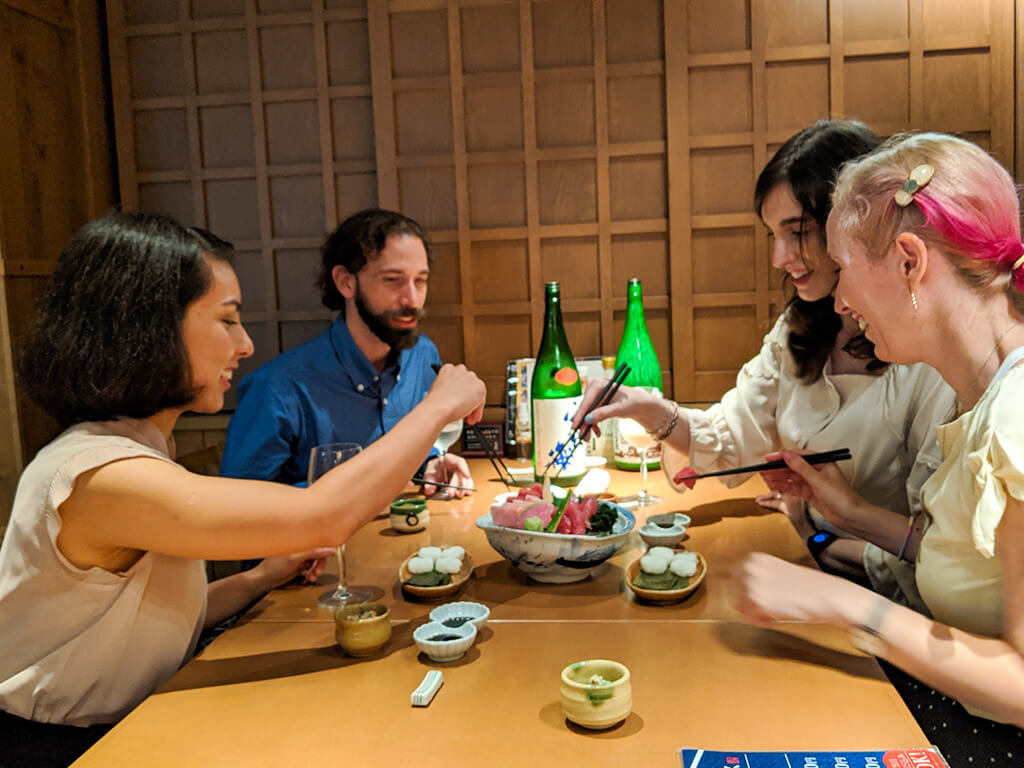
Winter in Nagoya isn’t just about finding the right restaurant.
It’s also a great time to experience the city’s food culture more deeply, whether that means exploring Nagoya Meshi with a local guide, discovering Japanese sake at an izakaya, making seasonal sweets, or learning how to cook Japanese food yourself.
Flavors of Nagoya Local Food Tour

If this is your first time in Nagoya and you want to understand what makes the city’s food different from Tokyo, Kyoto, or Osaka, start here.
Our Flavors of Nagoya Local Food Tour introduces you to Nagoya Meshi and other local favorites while exploring the city with a local guide.
It’s a great choice if you want to taste several specialties without having to figure out where to go or what to order on your own.
Best for: first-time visitors, food lovers, and travelers who want an introduction to Nagoya’s local cuisine.
Sake Tasting & Izakaya Night Tour

Winter evenings are made for izakaya hopping.
Our Sake Tasting & Izakaya Night Tour takes you into Nagoya’s drinking culture, where you can taste different styles of sake, learn about sake and food pairings, and discover the role izakayas play in everyday Japanese social life.
It’s an especially cozy way to spend a winter evening.
Best for: adults interested in sake, nightlife, local food, and a more social evening experience.
Nerikiri & Matcha Experience

Winter is also a wonderful time to slow down with Japanese sweets and tea.
Our Nerikiri & Matcha Experience lets you make your own beautiful Japanese nerikiri before preparing and enjoying matcha.
It’s creative, relaxing, and gives you a different perspective on Japanese food culture.
Best for: couples, families, creative travelers, and anyone interested in Japanese sweets and traditional culture.
Cooking Experiences We Offer
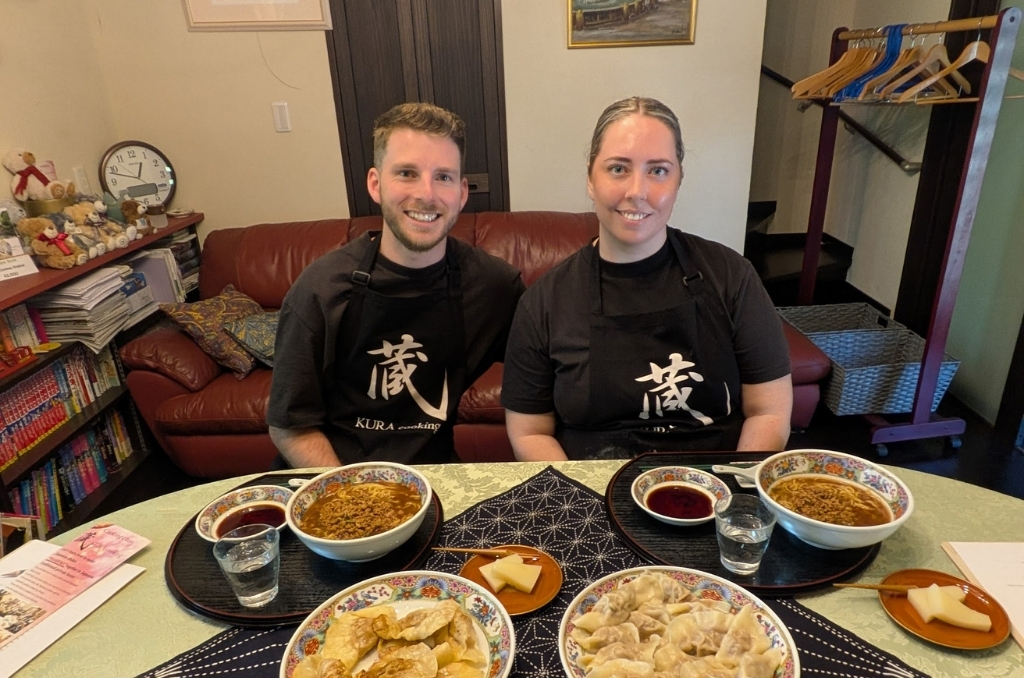
If tasting Nagoya’s food leaves you wanting to learn how to make it yourself, a cooking experience is a fun way to take part in the culture.
Our cooking experiences include a Ramen & Gyoza Cooking Experience, great for families, couples and casual food lovers, and our Cooking Class at a Typical Japanese Home for culture seekers, families, and travelers interested in everyday Japanese life. In both experiences, you can learn about Japanese ingredients, techniques, and everyday food culture in a more personal setting.
There’s something particularly satisfying about coming home from Japan knowing how to recreate part of your trip in your own kitchen.
Perfect for: families, hands-on travelers, repeat visitors, and anyone who wants to take a little piece of Japanese food culture home with them.
👉 Check out our Cooking Experiences
Whichever experience you choose, the goal is the same: to go beyond simply eating in Nagoya and come away with a better understanding of the people, traditions, ingredients, and stories behind the food.
Winter Food in Nagoya: Frequently Asked Questions

What Nagoya foods are especially good in winter?
Winter brings oysters, strawberries, Gamagori mandarins, and a wide variety of vegetables to Nagoya and Aichi. Miso Nikomi Udon is probably the ultimate Nagoya winter comfort food, but Miso Oden, Nagoya Cochin Nabe, and hot Kishimen are also excellent choices when the weather is cold.
Is winter a good time to visit Nagoya for food?
Absolutely.
Winter is one of the best seasons to experience Nagoya’s warming local cuisine. It’s also a good time to discover seasonal ingredients, winter sake releases, Japanese sweets, and Aichi produce.
What seasonal fruits and sweets should I try in winter in Nagoya?
For fruit, look for strawberries from Aichi, particularly those grown around Nishio, as well as Gamagori Mikan. Gamagori’s Aoshima mandarins are available during the winter and are known for their rich, sweet flavor.
For sweets, look for seasonal nerikiri, New Year wagashi, mochi, and limited-time strawberry desserts. Nerikiri is particularly fun because the designs change with the seasons.
What vegetables are in season in Aichi during winter?
Daikon, Chinese cabbage, green onions, carrots, lotus root, winter cabbage, and various leafy greens are all worth looking for.
What sake should I try in winter in Nagoya?
Winter is a good time to look for new sake and seasonal releases, including shinshu, shiboritate, and nama-zake.
Availability varies by brewery and season, so ask your izakaya or sake specialist what is currently being poured.
Where can I try Nagoya’s winter foods?
The easiest way to experience a range of local dishes is to explore Nagoya’s restaurants, izakaya, noodle shops, markets, cafés, and traditional sweets shops.
If you’d rather have a local show you around, that’s exactly what our food and drink experiences are for. We’ll help you discover the places, flavors, ingredients, and food culture that make eating in Nagoya so interesting.
Planning a Winter Trip to Nagoya?
Food is only one part of winter in Nagoya. Discover cozy evening experiences, cultural activities, mountain onsen, winter day trips, and more in our complete collection of Nagoya Winter Tours & Experiences.
Did you enjoy this article?
Make sure to also check out our other posts about Nagoya, and trust us when we say Nagoya is not boring!
Be sure to follow us on Facebook for new articles every week, and see our Instagram for pictures and stories about Nagoya!
Tag us
Planning on coming to Nagoya this winter? Share what Nagoya winter foods you’re most excited to try with us and tag #nagoyaisnotboring.