

Want to see a different side of Central Japan this winter?
Nagoya is an excellent base for exploring the surrounding region, and winter is one of the most rewarding times to venture beyond the city.
As you head into the mountains, the scenery changes quickly. Historic post towns become quiet and atmospheric, traditional villages can disappear beneath snow, mountain towns take on a peaceful winter character, and hot springs become even more inviting.
Whether you want to walk the historic Nakasendo, soak in a steaming onsen, explore a traditional water town, discover the Japanese Alps, or experience an iconic snow-covered village, these six destinations offer very different winter experiences.
And you don’t necessarily need to travel far to feel as though you’ve left the city behind.
Here are six of the best winter day trips from Nagoya.
Article Contents
1. Magome & Tsumago
⭐ BEST FOR HISTORY, HIKING, AND A QUIET WINTER LANDSCAPE
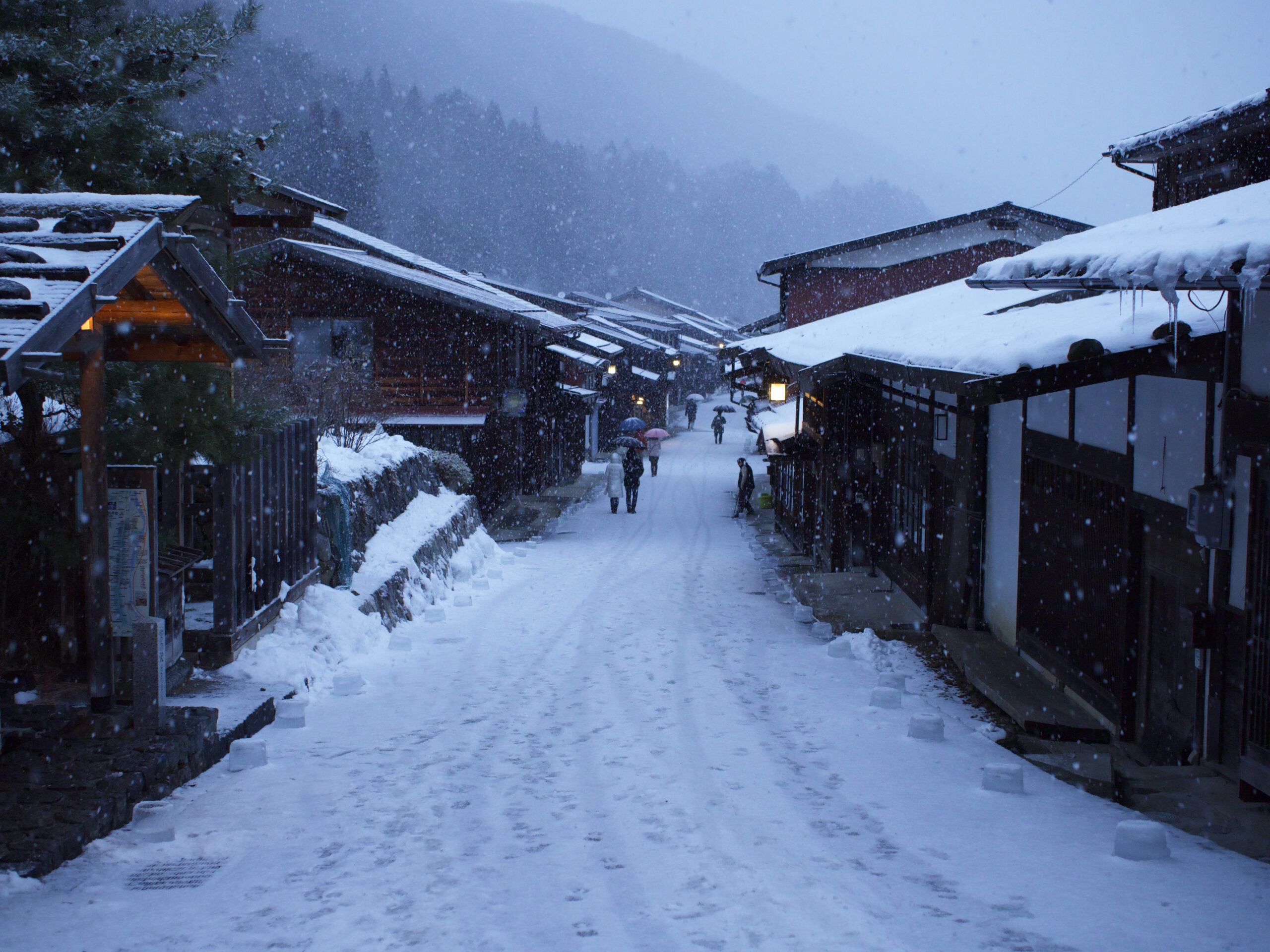
If you want to experience old Japan in a peaceful winter setting, Magome and Tsumago are hard to beat.
These beautifully preserved post towns sit along the historic Nakasendo, the old highway connecting Edo, modern-day Tokyo, with Kyoto. Traditional wooden buildings, old inns, small shops, and restaurants line the streets, while the trail between the towns passes through forests and mountain countryside.
Winter changes the experience considerably.
The autumn crowds are gone, the air is crisp, and the Kiso Valley feels remarkably quiet. Snow is possible, and when it arrives, the traditional buildings and forest paths take on an almost timeless atmosphere.
The Nakasendo trail can also be more challenging in winter, with snow and ice possible in shaded sections, so good footwear and a check of local conditions are essential.
Perfect for: Hikers, history lovers, photographers, couples, and active travelers.
Why winter? The combination of preserved Edo-period scenery, quiet mountain trails, and possible snow makes this one of the most atmospheric seasons for walking the Nakasendo.
Nakasendo (中仙道)
Best Time: January and February are the best months for a quiet winter hike through snow-covered post towns. December brings warmer weather, though many shops and restaurants may be closed throughout the Christmas and New Year period.
Entry Fee: Free
Opening Hours: Open 24 hours, with many shops operating between 9:00 and 17:00.
Address: 1646 Azuma, Nagiso, Kiso District, Nagano 399-5302
Access: Take the Shinano Limited Express from Nagoya Station (1 hr), then take the Magome Line bus from Nagiso Station to Magome Touge Station/the trailhead (23 minutes).
Website | Google Maps
Our Magome to Tsumago Hiking Tour from Nagoya combines the historic walk with a local guide who can explain the history, stories, and traditions behind the route.
👉 Explore the Magome to Tsumago Hiking Tour

2. Gero Onsen
⭐ BEST FOR HOT SPRINGS, RELAXATION, AND A CLASSIC JAPANESE WINTER
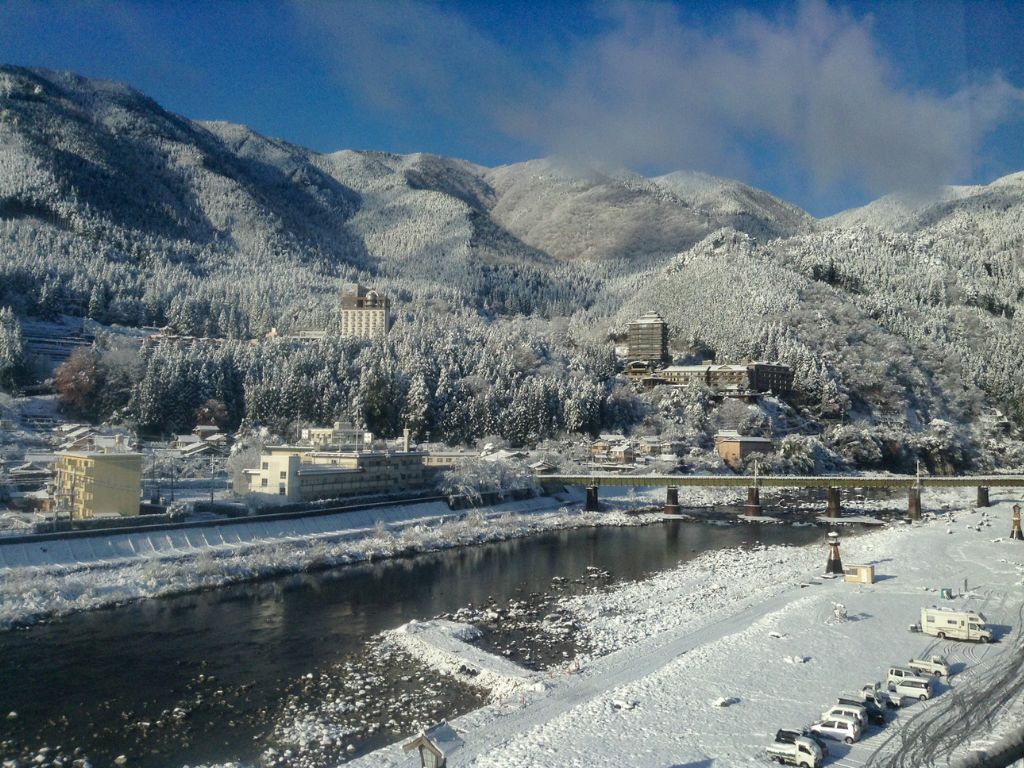
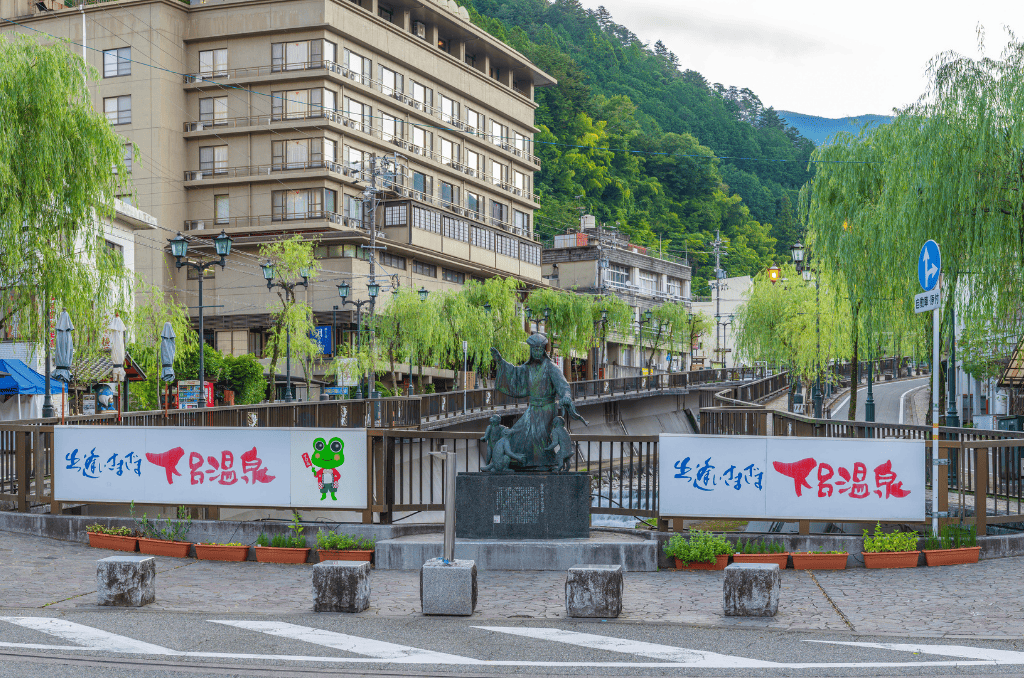
Few winter experiences are more quintessentially Japanese than soaking in a steaming outdoor hot spring while surrounded by cold mountain air.
Gero Onsen is one of Japan’s most famous hot spring towns and makes an excellent winter escape from Nagoya.
Beyond the baths, you can explore the traditional town, try local food, visit temples and foot baths, and enjoy the Hida mountain scenery.
Winter is particularly suited to Gero because the cold makes the hot springs feel even better. The contrast between chilly air and warm mineral-rich water is a major part of the appeal.
Perfect for: Couples, relaxation seekers, first-time onsen visitors, families, and anyone wanting a slower day.
Why winter? This is perhaps the simplest winter equation on the list: cold mountain weather + steaming hot springs.
Gero Onsen (下呂温泉)
Best Time: January and February, when you can experience outdoor hot spring (rotenburo) soaking in the cold air, snow scenery, and the weekly firework displays on Saturdays.
Entry Fee: The footbath is free, but entry fees apply for the onsens.
Opening Hours: Open 24 hours
Address: Koden, Gero, Gifu, 509-2206
Access: From Nagoya Station, take the Hida 17 Limited Express bound for Takayama, getting off at Gero Station (1 hr, 52 mins). From Gero Station, walk for five minutes to get to the footbath and central Gero.
Website | Google Maps
Our Gero Onsen Day Tour from Nagoya combines the onsen town with local food, Gassho Mura, sightseeing, and a private onsen experience. A private bath can also be a comfortable option for travelers who are new to Japanese onsen culture or have tattoos.

3. Gujo Hachiman
⭐ BEST FOR HIDDEN GEMS, WATERWAYS, AND LOCAL CULTURE
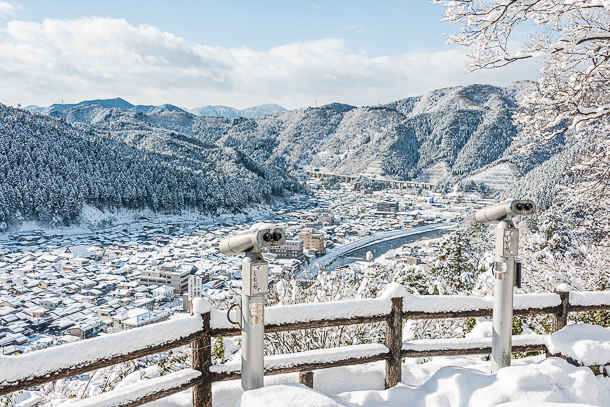
For travelers who want to get further off the usual tourist trail, Gujo Hachiman offers something very different.
This historic mountain town in Gifu is known for its traditional streets, exceptionally clear waterways, local crafts, regional food, and strong cultural identity.
Water is central to the town’s character. Small canals and streams run through the historic streets, reflecting a way of life that has developed around the area’s clean mountain water.
Winter brings another change: fewer visitors and a much quieter atmosphere.
Instead of feeling like a major sightseeing destination, Gujo Hachiman feels like a town to explore slowly. Wander the old streets, follow the waterways, browse local shops, and warm up with regional food.
If snow arrives, the surrounding mountains and traditional streets can become particularly atmospheric.
Perfect for: Culture lovers, photographers, food lovers, repeat visitors, and travelers looking for somewhere less touristy.
Why winter? The quieter streets and mountain setting reveal a slower, more local side of Gujo Hachiman.
Gujo Hachiman (郡上八幡)
Best Time: Mid-January and early February, when you can experience peak snowfall and unique cultural events like the traditional indigo-dyeing festival.
Entry Fee: Free
Opening Hours: Open 24 hours, with Gujo Castle and most shops operating between 9 A.M. and 5 P.M.
Address: 〒501-4214 Gifu, Gujo, Hachimancho Yanagimachi, 659 一の平 659
Access: From Nagoya Station, take the Tokaido Line Special Rapid bound for Ogaki (19 mins), getting off at Gifu Station. Walk to JR Gifu Station, Gifu Hachiman Expressway Line bus (1 hr, 19 mins) to Hachiman Station.
Website | Google Maps
Our Gujo Hachiman Day Tour from Nagoya combines sightseeing with local culture, including the town’s waterways and traditions, regional food, and a hands-on cultural activity.
👉 If you want to read more about Gujo Hachiman you can read our complete guide: Discover Gujo Hachiman

4. Takayama
⭐ BEST FOR TRADITIONAL JAPAN, LOCAL FOOD, AND MOUNTAIN SCENERY
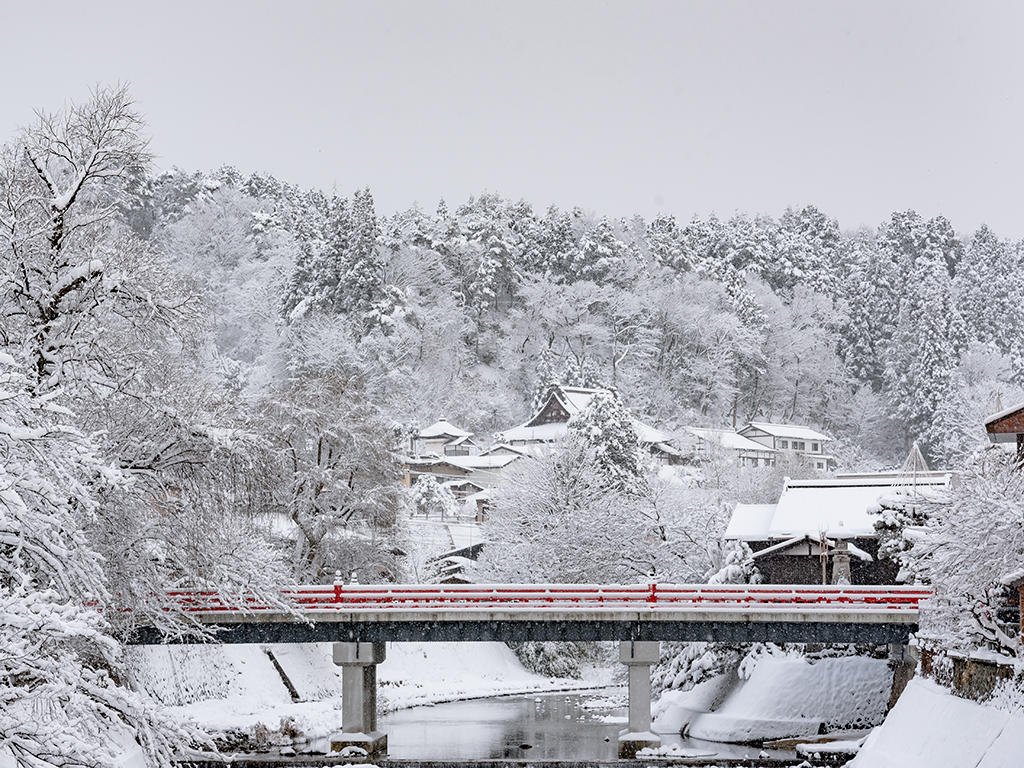
If you’re willing to travel farther from Nagoya, Takayama offers one of the region’s richest combinations of history, food, and mountain scenery.
The historic Sanmachi Suji district, Takayama Jinya, Miyagawa Morning Market, temples, and traditional wooden houses make the city one of the best places to experience the atmosphere of old Japan.
Winter gives Takayama a noticeably different personality.
The surrounding mountains become colder and quieter; snow can transform the historic streets, and hearty local food becomes especially appealing.
This is also an excellent destination for food lovers. Takayama is famous for Hida beef and specialties such as Hoba miso, which feel particularly satisfying during the colder months.
Perfect for: Food lovers, photographers, couples, first-time visitors to the Japanese Alps, and fans of traditional architecture.
Why winter? Snowy mountain scenery, quiet historic streets, and warming regional cuisine give Takayama a distinctly wintery atmosphere.
Takayama (高山)
Best Time: Mid-January to late February, when snowfall is heaviest, and the historic streets make for picture-perfect winter scenery.
Entry Fee: Free
Opening Hours: Open 24 hours, with most shops and restaurants operating between 9 A.M. and 5 P.M.
Address: 20 Kamisannomachi, Takayama, Gifu 506-0846
Access: From Nagoya Station Shinkansen Exit, take the Takayama Nohi Bus (2 hrs, 35 mins), getting off at Takayama Nohi Bus Center.
Website | Google Maps
Our Takayama Day Trip from Nagoya combines the city’s major highlights with local food and cultural experiences, including the morning market, Takayama Jinya, Sanmachi Suji, lunch, sake tasting, and Sakurayama Hachimangu.
👉 If you want to read more about Takayama, you can read our complete guide: Exploring Hida Takayama – The Ultimate Travel Guide

5. Shirakawago
⭐ BEST FOR ICONIC SNOWY SCENERY
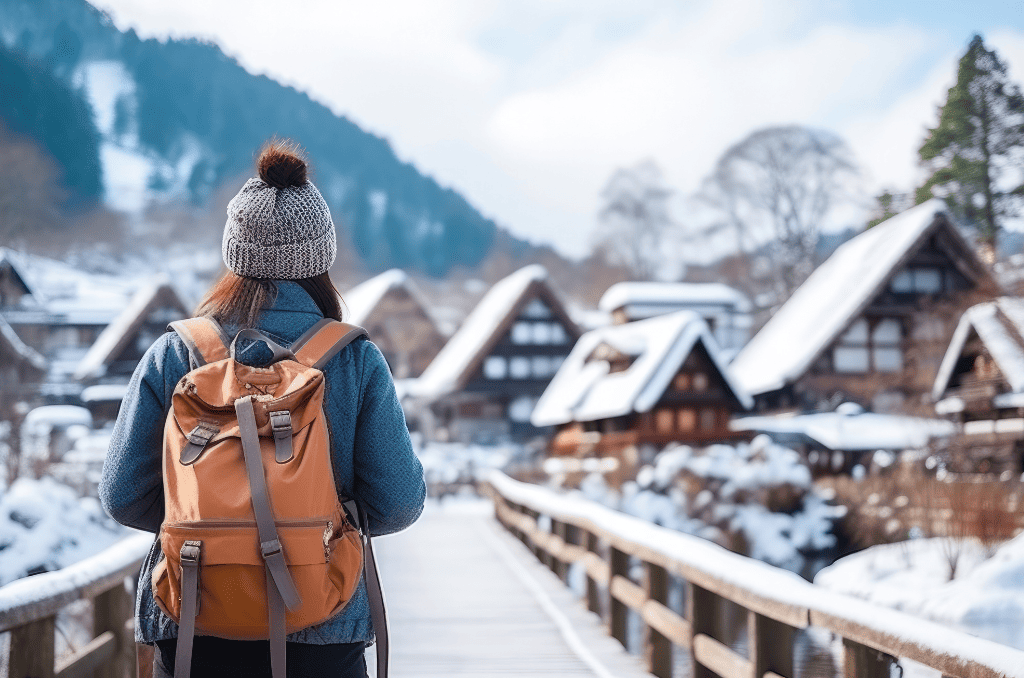
If you have an image in your mind of a traditional Japanese village buried in snow, there’s a good chance you’re thinking of Shirakawago.
This UNESCO World Heritage village is famous for its distinctive gassho-zukuri farmhouses, whose steep thatched roofs were designed to cope with the region’s heavy snowfall.
Winter is when the architecture makes the most sense.
Snow-covered roofs, surrounding mountains, and traditional farmhouses create one of Japan’s most recognizable winter landscapes. Even outside the famous illumination events, the village can feel like a scene from a winter postcard.
The trade-off is travel time. Shirakawago is one of the longer day trips from Nagoya, and winter weather can make transportation more complicated.
Perfect for: First-time visitors to Japan, photographers, families, couples, and anyone looking for iconic rural scenery.
Why winter? Heavy snow transforms Shirakawago into the landscape most visitors associate with the village.
Shirakawago (白川郷)
Best Time: January to mid-February for deep, picturesque snow drifts covering the traditional gassho-zukuri farmhouses.
Entry Fee: Free
Opening Hours: Open 24 hours, with the thatched house village and most shops operating between 9 A.M. and 5 P.M.
Address: 2499 Ogimachi, Shirakawa, Ono District, Gifu 501-5627
Access: From the Meitetsu Bus Center at Nagoya Station, take the bus bound for Shirakawago Bus Terminal for 2 hours and 42 minutes (reservation required).
Website | Google Maps
Our Shirakawago Day Tour from Nagoya makes the journey easier by combining transportation with guided sightseeing, a traditional lunch, and entry to a historic farmhouse.

6. Mt. Horaiji
⭐ BEST FOR NATURE, SPIRITUALITY, AND A QUIETER AICHI ESCAPE
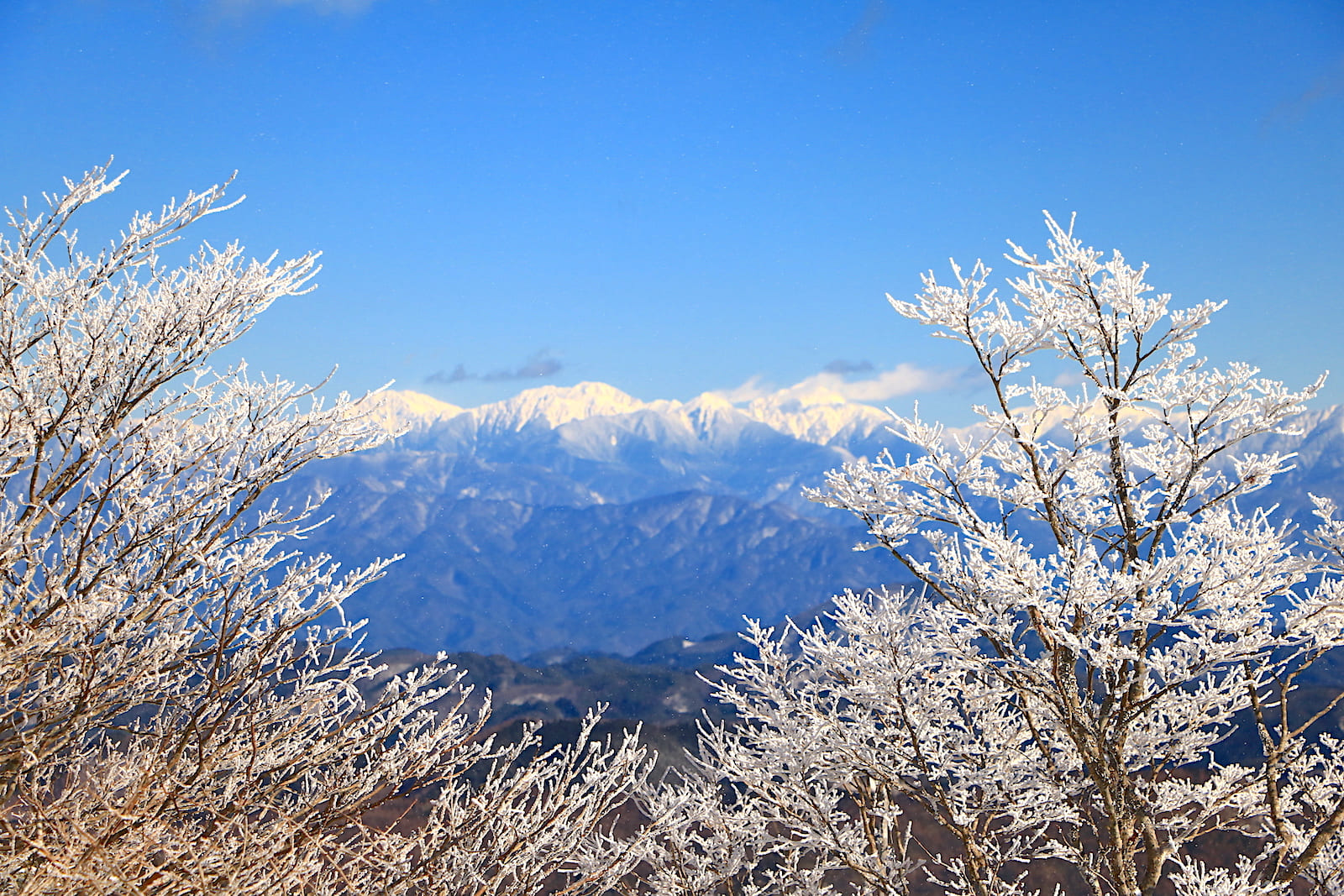
If you’d rather avoid a long journey into Gifu and spend your winter day surrounded by nature, Mt. Horaiji offers something completely different.
Located in Okumikawa, Mt. Horaiji combines mountain scenery, ancient religious history, forest trails, and local culture.
The mountain has more than 1,300 years of spiritual history. The climb follows 1,425 stone steps through cedar forest and historic temple grounds, creating a very different experience from the region’s famous tourist towns.
Winter is particularly appealing for the sense of solitude. The forest is quieter, the mountain air is crisp, and the lack of summer greenery puts greater emphasis on the structure of the ancient trees, rocks, and temple grounds.
The experience can also be combined with a local green tea experience in a traditional home, making it as much about local culture as hiking.
Perfect for: Hikers, nature lovers, photographers, spiritual travelers, and visitors looking for a less-touristy experience.
Why winter? The cooler weather makes the climb more comfortable, while the quieter mountain environment gives the historic site a peaceful atmosphere.
Horaiji (鳳来寺)
Best Time: Late December to February for crisp weather and sweeping views of the Mikawa Plain.
Entry Fee: Free
Opening Hours: Open 24 hours
Address: Horaiji-1 Kadoya, Shinshiro, Aichi 441-1693
Access: From Nagoya Station, take the Tokaido Line Special Rapid bound for Toyohashi (53 mins), switching to the Iida Line Local bound for Hon-Nagashino at Toyohashi Station (56 mins). Get off at Hon-Nagashino, catching the bus at Hon-Nagashino Eki-Mae Station bound for Taguchi, getting off at Horaidero Temple Frontage Road (8 mins). This is the trailhead that will lead to Horai-ji Temple and the summit.
Website (Japanese only) | Google Maps
Our Mt. Horaiji Nature Hike & Local Green Tea Experience combines the mountain hike with a local tea experience.
Prefer a guided trip?
Take a look at our comparison table to see which guided tour is right for you.
| Destination: | Best for: | Winter highlight: | Travel feel: |
| Magome & Tsumago | Hiking & history | Quiet trails, possible snow | Active |
| Gero Onsen | Hot springs & relaxation | Steaming onsen in cold weather | Relaxing |
| Gujo Hachiman | Local culture & hidden gems | Quiet streets and mountain scenery | Slow-paced |
| Takayama | Traditional Japan & food | Snowy streets and winter cuisine | Full sightseeing day |
| Shirakawago | Iconic scenery | Snow-covered gassho-zukuri houses | Scenic & memorable |
| Mt. Horaiji | Nature & spirituality | Quiet winter forest and temple grounds | Active & peaceful |
Explore all-day trips from Nagoya.
Which Winter Day Trip from Nagoya Should You Choose?
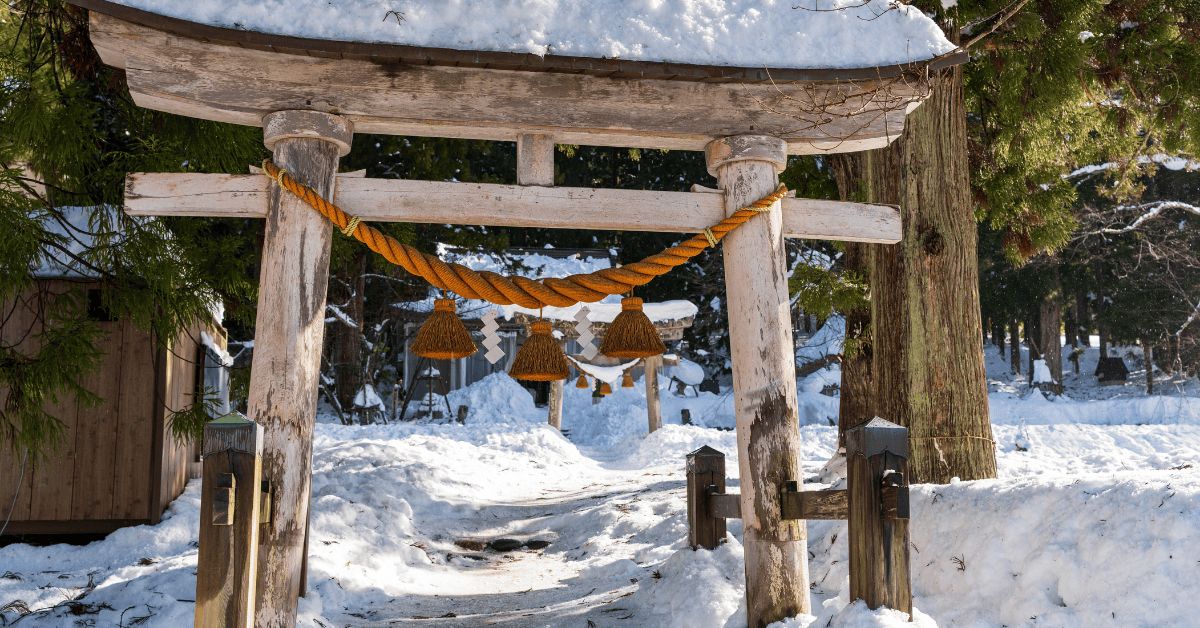
The best destination depends on the kind of winter experience you’re looking for.
- Choose Magome & Tsumago if you want to walk through history and don’t mind a potentially snowy or icy trail.
- Choose Gero Onsen if you want the ultimate cold-weather escape: hot springs, good food, and a relaxed pace.
- Choose Gujo Hachiman if you’d rather discover a quieter town and experience regional culture away from the major tourist routes.
- Choose Takayama if traditional architecture, mountain scenery, markets, and excellent food are your priorities.
- Choose Shirakawago if seeing an iconic snow-covered Japanese village is high on your bucket list.
- Choose Mt. Horaiji if you want nature, hiking, and spirituality without committing to one of the longer journeys into the Japanese Alps.
If snow is your main priority, Shirakawago and Takayama are particularly compelling. For relaxation, choose Gero Onsen. For hiking, Magome & Tsumago or Mt. Horaiji are the strongest choices.
Winter Travel Tips
Winter day trips from Nagoya can be fantastic, but conditions outside the city can be very different.
- Dress in layers. Nagoya may feel manageable while mountain destinations can be significantly colder.
- Wear shoes with good traction. Snow and ice are possible around Magome, Tsumago, Takayama, Shirakawago, and other mountain areas.
- Bring waterproof footwear for snowy destinations. This is particularly useful in Shirakawago.
- Check transportation before leaving. Snow and ice can cause train, bus, and road delays.
- Allow extra travel time. Winter conditions can make journeys slower than expected.
- Don’t assume Nagoya’s weather reflects the mountains. Conditions can change dramatically as you gain elevation.
- If driving, check road conditions and winter tire requirements. Mountain roads may require winter tires or other precautions.
For destinations where transportation is complicated, a guided day trip can also remove much of the uncertainty, particularly during periods of bad weather.
Prefer to Stay in Nagoya?
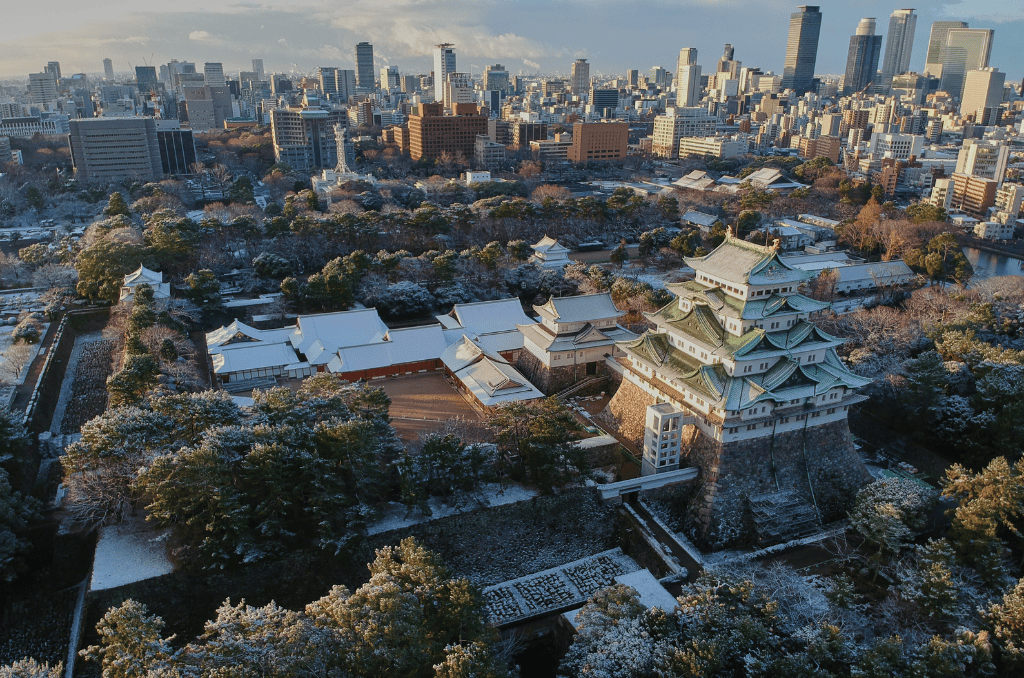
You don’t have to leave the city to have a great winter day.
If you’re short on time, the weather is poor, or you’d simply prefer to explore Nagoya with a local guide, our Full Day Nagoya Private Tour is an excellent alternative.
The tour combines major sights with Nagoya’s samurai history, local food, gardens, shrines, and shopping streets. Depending on your interests, you can visit places such as Nagoya Castle and Atsuta Shrine while learning more about the city’s history and culture.
The experience also includes a local kishimen lunch and a Nagoya City Bus & Subway 1-Day Pass.
Perfect for: First-time visitors, families, couples, history lovers, and travelers with limited time.
👉 Explore Nagoya with a Private Local Guide
FAQ: Best Winter Day Trips from Nagoya
What are the best winter day trips from Nagoya?
The best winter day trips include Magome & Tsumago, Gero Onsen, Gujo Hachiman, Takayama, Shirakawago, and Mt. Horaiji. Each offers a different experience, from snowy mountain scenery and historic towns to hot springs, hiking, and traditional villages.
Can I visit Magome and Tsumago in winter?
Yes. Both towns can be visited year-round, and winter is particularly peaceful. However, snow and ice can affect the Nakasendo trail, so check conditions and wear appropriate footwear.
Is Gero Onsen worth visiting in winter?
Absolutely. Winter is one of the best seasons to experience Gero Onsen because the contrast between cold mountain air and steaming hot spring water is part of the experience.
Can I visit Gero Onsen as a day trip from Nagoya?
Yes. Gero can comfortably be visited as a day trip, although staying overnight is a good option if you’d prefer a slower experience.
Is Gujo Hachiman worth visiting in winter?
Yes, especially if you want a quieter and less touristy destination. Winter brings fewer visitors and a peaceful atmosphere to the historic streets and surrounding mountains.
Can I visit Takayama as a day trip from Nagoya?
Yes, although it’s one of the longer trips on this list. The journey is worthwhile if you’re interested in traditional architecture, local food, historic streets, and mountain scenery.
Can I visit Shirakawago as a day trip from Nagoya?
Yes. Shirakawago is one of the longer day trips, but winter makes the journey particularly rewarding. Snow-covered gassho-zukuri houses and mountain scenery create one of Japan’s most famous winter landscapes.
Does it snow at these destinations?
Snow is possible across all six destinations, but conditions vary considerably. Shirakawago is particularly famous for heavy snowfall, while mountain areas around Gifu and the Kiso Valley can be considerably colder than Nagoya.
Always check the forecast and local transportation conditions before traveling.
What should I wear for a winter day trip from Nagoya?
Wear warm layers and a good winter coat. Comfortable shoes with strong traction are important for hiking destinations, while waterproof footwear is useful when visiting snowy areas such as Shirakawago.
What’s the easiest winter day trip from Nagoya?
For relaxation, Gero Onsen is probably the easiest choice. Gujo Hachiman is also relatively straightforward for travelers who want to explore a town without a major hike.
Magome & Tsumago and Mt. Horaiji require more walking, while Takayama and Shirakawago involve longer journeys.
Can I take these winter day trips without renting a car?
Yes. All six destinations can be reached using public transportation, although connections and travel times vary. Organized tours can be particularly convenient for longer or more complicated journeys.
What’s the best winter day trip from Nagoya for couples?
Gero Onsen is the obvious choice for couples who want a relaxing winter experience. Magome & Tsumago is a great alternative for couples who prefer walking and historic scenery, while Takayama is ideal for couples who enjoy food and traditional architecture.
What’s the best winter day trip from Nagoya for families?
Shirakawago, Gero Onsen, and Takayama are all good options, depending on your children’s ages and interests. Shirakawago offers spectacular scenery, Gero has a relaxed pace, and Takayama combines food, markets, historic streets, and sightseeing.
Ready to Escape Nagoya This Winter?
Winter reveals a completely different side of Central Japan.
Walk a historic highway between Magome and Tsumago. Warm up in Gero Onsen. Discover the waterways and traditions of Gujo Hachiman. Explore snowy Takayama. See the iconic winter scenery of Shirakawago. Or trade the crowds for the forests and temples of Mt. Horaiji.
Each destination offers something different, which is exactly what makes winter such a rewarding time to explore beyond Nagoya.
And if you’d rather stay in the city, our Full Day Nagoya Private Tour offers another way to experience the region with a local guide.
Winter may be cold, but sometimes that’s precisely what makes the journey worthwhile.
Related Winter Guides
Planning more than just day trips? You may also want to explore our guides to:
- Best Skiing Day Trips From Nagoya
- Best Nagoya Winter Foods
- Best Winter Illuminations and Events in Nagoya
- Best Things to Do in Nagoya in Winter
Did you enjoy this article?
Make sure to also check out our other posts about Nagoya, and trust us when we say Nagoya is not boring!
Be sure to follow us on Facebook for new articles every week, and see our Instagram for pictures and stories about Nagoya!
Tag us
Planning on coming to Nagoya this winter? Share your ideal winter day trip and tag #nagoyaisnotboring.