

Every autumn, as the summer heat fades and the skies become crystal clear, Nagoya embraces one of Japan’s most elegant seasonal traditions: Tsukimi, the Moon-Viewing Festival.
Unlike the excitement of summer festivals, Tsukimi is about slowing down. Visitors can enjoy Japanese gardens, seasonal foods, illuminated temples, and peaceful moonlit evenings while experiencing a tradition that has been celebrated for more than a thousand years.
Whether you’re visiting Nagoya in September or early October, here’s how to experience Tsukimi like a local.
Article Contents
What Is Tsukimi?
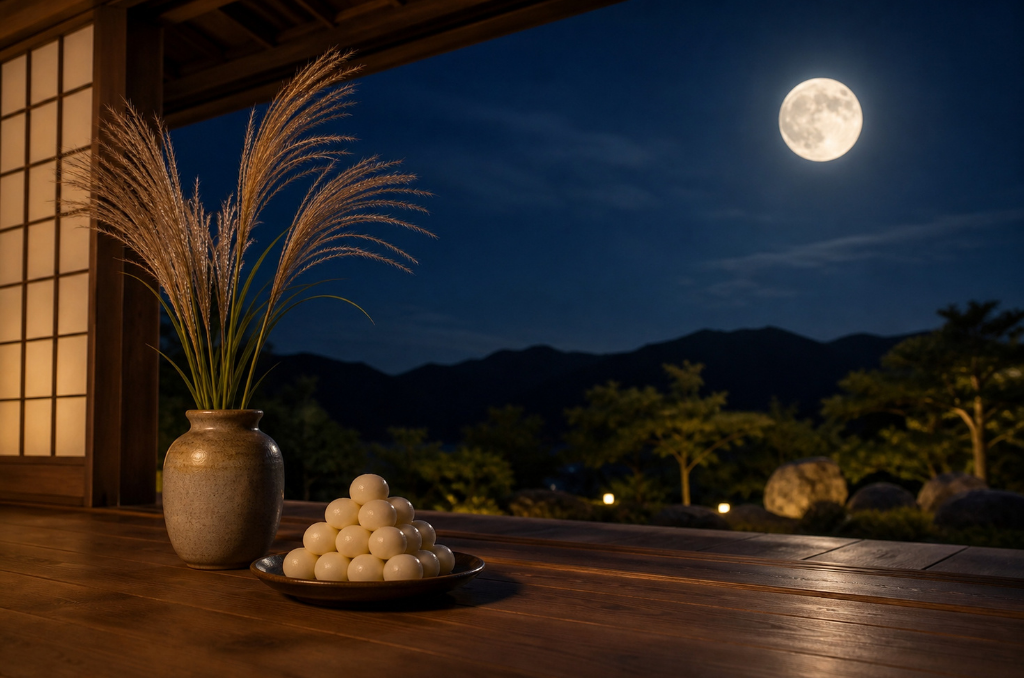
Tsukimi literally means “moon viewing.” It is the traditional Japanese custom of gathering to admire the full moon during autumn, particularly the harvest moon known as Jugoya (十五夜).
Rather than being a festival with large parades or fireworks, Tsukimi is a quiet celebration of nature, gratitude, and the changing seasons. Families and friends may gather on balconies, in gardens, at temples, or in parks to admire the moon while enjoying seasonal foods.
Homes are often decorated with susuki (Japanese pampas grass), which symbolizes a successful harvest and is believed to ward off evil spirits. Offerings of rice dumplings, taro, chestnuts, persimmons, and sake are traditionally placed where they can be seen beneath the moonlight.
Today, Tsukimi is celebrated throughout Japan with cultural events, special menus at restaurants, moon-viewing concerts, and seasonal products found in convenience stores, cafes, and bakeries.
When Is Tsukimi?
Unlike many Japanese festivals, Tsukimi does not have a fixed date on the modern calendar.
The main celebration, Jugoya, falls on the fifteenth night of the eighth month of the traditional lunar calendar. This usually occurs in September or early October.
A second moon-viewing celebration known as Jusanya (十三夜), or the Thirteenth Night Moon, takes place about one month later.
Each year, the dates change slightly, making it worth checking local event calendars if you’re visiting Japan during autumn.
In Nagoya, many temples, gardens, cultural centers, and parks host moon-viewing events around Jugoya.

The History and Origins of Tsukimi
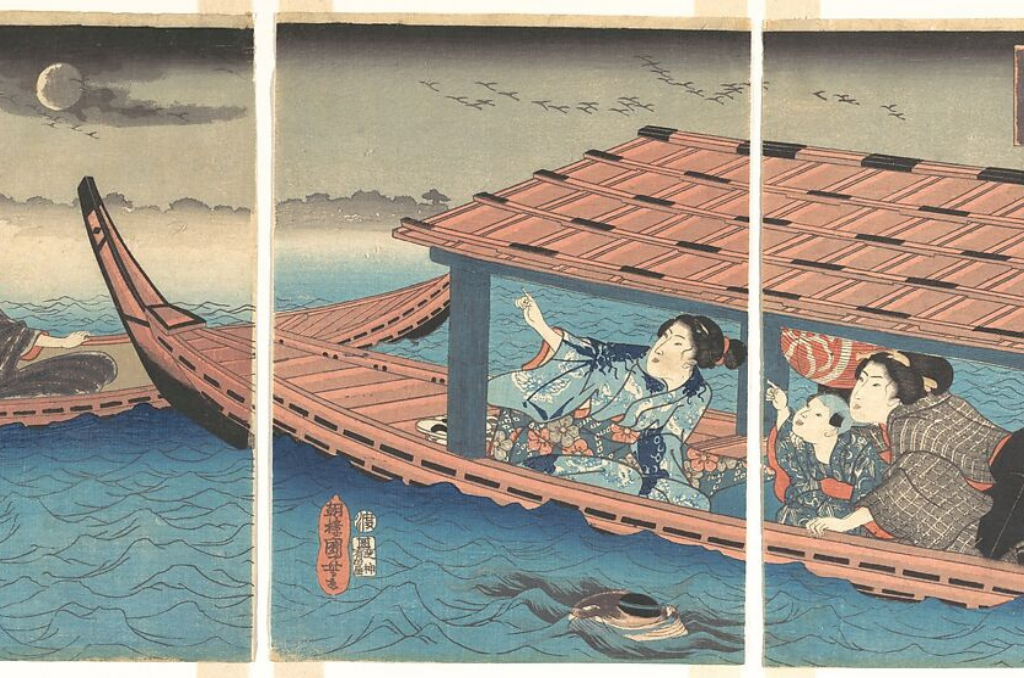
Tsukimi has been celebrated in Japan for more than 1,000 years.
The custom was introduced during the Heian Period (794-1185), when Japanese nobles adopted moon-viewing traditions from China. Aristocrats gathered beside ponds and gardens to compose poetry, play music, drink sake, and admire the moon’s reflection shimmering on the water.
Over time, Tsukimi spread beyond the imperial court and became closely connected with Japan’s agricultural calendar.
For farmers, the harvest moon marked an important point in the growing season. Giving thanks for successful crops became an important part of the celebration, leading to the tradition of offering rice dumplings, seasonal vegetables, and freshly harvested grains to the moon.
Although modern celebrations are generally less formal, the spirit of appreciating nature and expressing gratitude remains at the heart of Tsukimi.
Why Tsukimi Is One of Japan’s Most Beautiful Traditions
Unlike many festivals centered around excitement and crowds, Tsukimi celebrates something more grounded.
Japanese culture has long embraced the beauty of fleeting moments, changing seasons, and nature’s subtle transformations. Tsukimi reflects these values by encouraging people to pause and appreciate a clear autumn night.
The festival also represents gratitude for the year’s harvest.
Many seasonal foods enjoyed during Tsukimi, including rice, chestnuts, sweet potatoes, and taro, are harvested around this time, making the celebration closely tied to autumn’s abundance.
For many Japanese people, Tsukimi is also simply a reminder to slow down and enjoy one of the country’s most beautiful seasons.
Tsukimi Traditions You Should Know
Although celebrations vary across Japan, several customs have become closely associated with Tsukimi.
Admiring the Harvest Moon
The centerpiece of Tsukimi is simply watching the moon.
People gather wherever they have an unobstructed view of the night sky, whether that’s a garden, temple, riverside, mountain viewpoint, or even a balcony at home.
Clear skies are considered ideal, but there’s even a traditional appreciation for partially hidden moons behind drifting clouds.
Decorating with Susuki Grass
Bundles of Japanese pampas grass, known as susuki, are one of the festival’s most recognizable symbols.
The tall silver grasses resemble rice stalks and represent a successful harvest. They’re traditionally displayed in homes alongside moon-viewing offerings.
Eating Tsukimi Dango
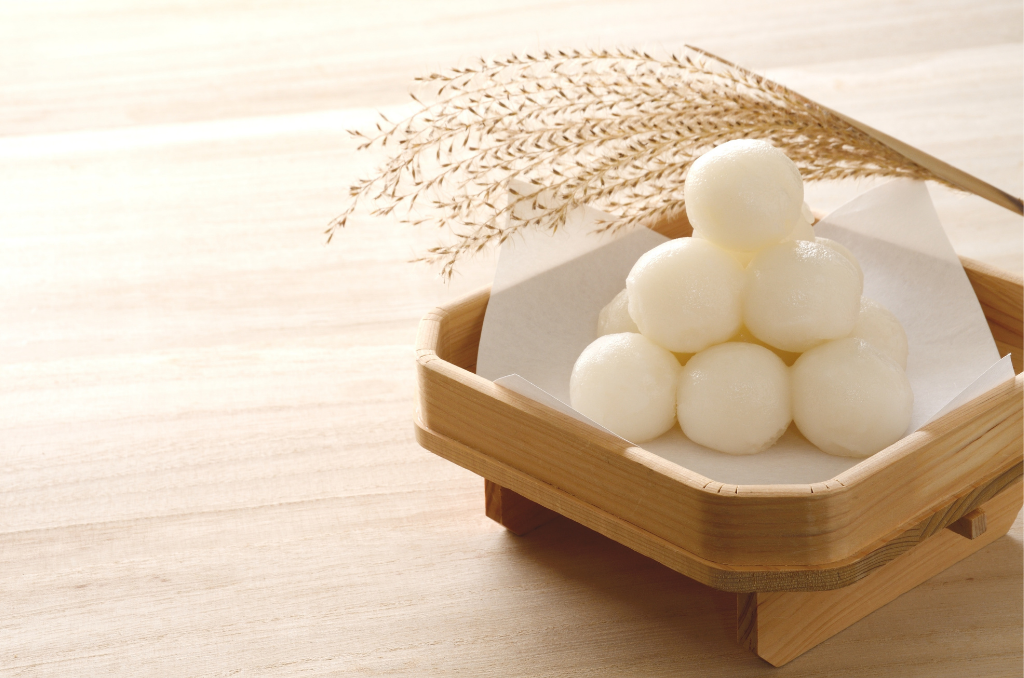
Perhaps the best-known Tsukimi food is tsukimi dango.
These small white rice dumplings are usually stacked into a pyramid of fifteen pieces, representing the full moon and expressing gratitude for the harvest.
After being offered during the moon-viewing ceremony, they’re shared among family and friends.
Enjoying Seasonal Autumn Foods
Tsukimi is closely connected with Japan’s autumn harvest.
Common offerings and seasonal dishes include:
- Chestnuts
- Sweet potatoes
- Taro
- Japanese pumpkin (kabocha)
- Persimmons
Many restaurants also create special autumn menus featuring these seasonal ingredients.
Tsukimi-Inspired Foods
One of Japan’s most charming modern traditions is the creation of Tsukimi-themed foods.
Because a bright egg yolk resembles a full moon, many dishes topped with a raw or soft-cooked egg are marketed as “Tsukimi” specials.
During autumn you’ll find:
- Tsukimi Dango (local supermarkets and sweet shops near sightseeing spots)
- Egg-Topped Noodles (Tsukimi Soba/Udon/Rice), available at traditional udon shops and fast food restaurants
- Tsukimi Burgers (fast food places like McDonald’s and Mos Burger)
- Tsukimi desserts
- Tsukimi limited edition products (convenience stores)
- Limited-edition autumn sweets
Everything from small local businesses to major fast food chains will have Tsukimi items on the menu.
What Can You Expect in Nagoya During Tsukimi?
Autumn is one of the most comfortable times to visit Nagoya.
The intense summer humidity begins to fade, making it an ideal season for exploring parks, historic neighborhoods, gardens, and outdoor attractions.
While Tsukimi is generally more relaxed than festivals like Obon or matsuri celebrations, you’ll still find seasonal events throughout the city. Temples, Japanese gardens, and cultural facilities sometimes host moon-viewing evenings featuring traditional music, tea ceremonies, or illuminated landscapes.
Seasonal cafes and restaurants also embrace the occasion with autumn-inspired menus and Tsukimi desserts.
Even without attending a formal event, strolling through Nagoya on a crisp autumn evening offers a wonderful opportunity to experience the calm atmosphere that defines the season.

Best Places to Celebrate Tsukimi in Nagoya
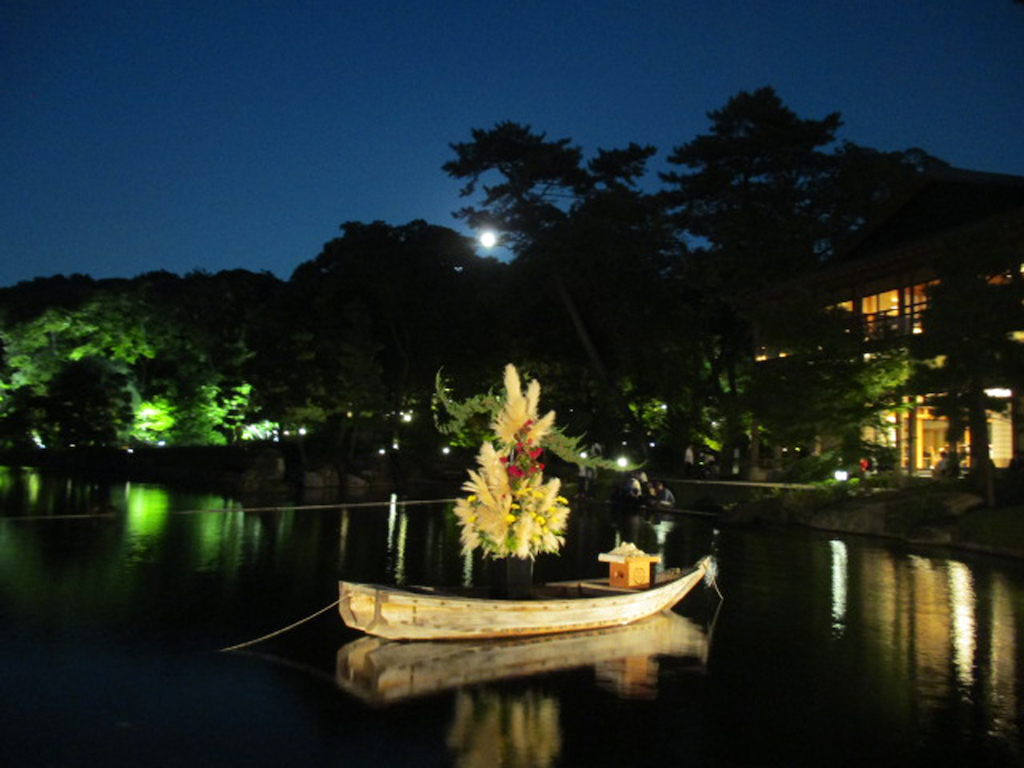
Whether you’re visiting Nagoya for a few days or spending a longer autumn holiday in the city, there are plenty of ways to experience Tsukimi.
Visit Tokugawa Garden
One of Nagoya’s most beautiful Japanese gardens, Tokugawa Garden, is an ideal place to experience the elegance of autumn.
In some years, the garden hosts special evening openings or seasonal illumination events around the moon-viewing season. Even during regular hours, its ponds, traditional landscaping, and peaceful atmosphere perfectly capture the spirit of Tsukimi.
Relax in Shirotori Garden
During the harvest season, Shirotori Garden’s extended hours include a tea ceremony overlooking the spectacular gardens. Whether you go by daylight or underneath the night sky, Shirotori Garden is perfect for pondering.
Look for Moon-Viewing Events in Parks and Shrines
Several shrines, gardens, and cultural venues in Nagoya and Aichi Prefecture occasionally organize Tsukimi concerts, tea ceremonies, or moon-viewing evenings.
Because event schedules vary from year to year, it’s worth checking local tourism websites and event calendars before your visit.
Experience Tea Ceremonies
What better place to slow down and reflect than a tea ceremony? Sit down for a meditative practice at one of these 13 places to experience tea ceremonies in Nagoya.
Try Seasonal Tsukimi Foods

Autumn is one of the best seasons for food lovers.
Look out for:
- Seasonal dining restaurants
- Tsukimi menus
- Sake
- Tsukimi and Autumn wagashi (traditional Japanese confectionery)
Convenience stores, bakeries, and cafes also release limited-edition Tsukimi products throughout September.
Enjoy an Evening Walk
Unlike summer festivals, Tsukimi encourages slowing down rather than large celebrations.
Take an evening stroll along Nagoya’s Yamazaki River, Higashiyama Park, or through historic districts such as Endoji and Shikemichi and simply enjoy the cooler weather and clear autumn sky.
Experience Tsukimi with Nagoya is not boring
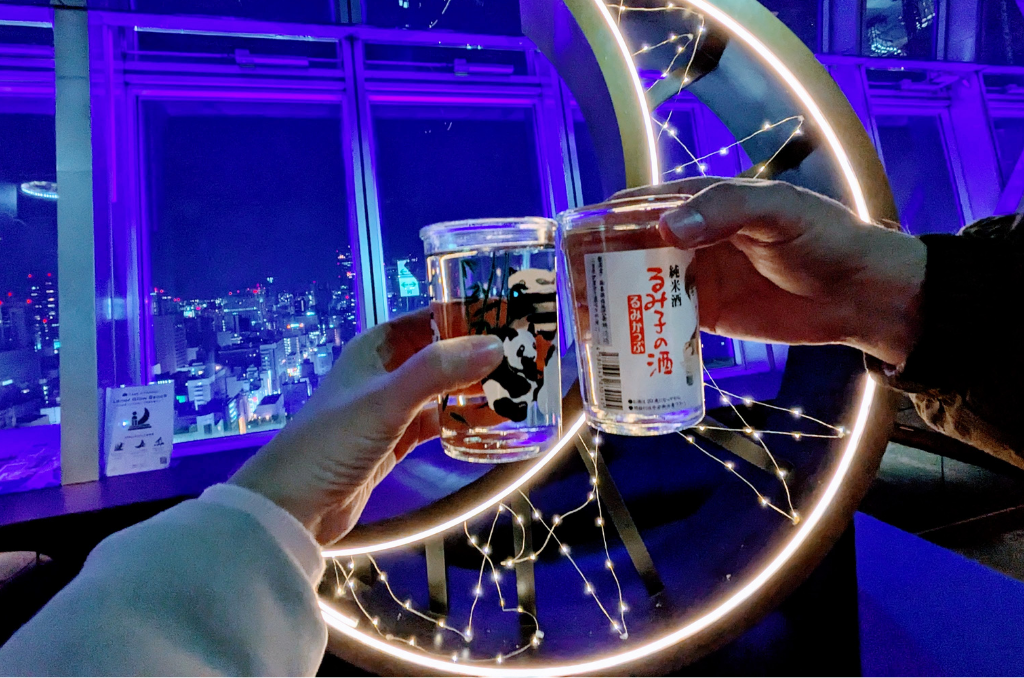
Tsukimi celebrates seasonal beauty, traditional culture, and taking time to appreciate the moment, values that pair perfectly with exploring Nagoya beyond the usual tourist attractions.
If you’re visiting during autumn, consider combining your moon-viewing experience with one of our original tours:
Sake Tasting & Izakaya Night Tour
Autumn has long been associated with enjoying freshly harvested ingredients alongside excellent sake. An evening spent discovering local izakaya culture is a wonderful complement to Tsukimi’s relaxed atmosphere, introducing you to regional sake and seasonal dishes enjoyed by locals.
Tsukimi is all about celebrating the harvest, making it the perfect time to discover Nagoya’s famous cuisine. From miso-based specialties to local comfort food, this tour offers a delicious introduction to the city’s culinary traditions while highlighting seasonal ingredients.
Tsukimi has been celebrated for more than a thousand years, and there’s no better place to appreciate Japan’s history than Nagoya’s preserved historic neighborhoods. Walking through traditional streets offers a glimpse into the kind of scenery that has inspired moon-viewing gatherings for centuries.
Whether you’re admiring the moon from a peaceful garden or discovering Nagoya’s food, history, and nightlife, autumn is one of the most rewarding seasons to explore the city.

Tips for Visiting Nagoya During Tsukimi
If you’re planning to experience Tsukimi in Nagoya, these tips will help you make the most of your visit:
- Check the moon phase before your trip. The full moon doesn’t always perfectly coincide with Jugoya, but both are beautiful occasions for moon viewing.
- Bring a light jacket. Autumn evenings can become surprisingly cool.
- Check local event schedules. Moon-viewing events vary each year.
- Arrive before sunset if attending a garden or temple event, as popular venues may become busy.
- Keep an eye on the weather forecast. Clear skies make for the best moon-viewing experience.
- Try seasonal foods while they’re available. Many Tsukimi menus are only offered for a few weeks.
Planning ahead allows you to enjoy one of Japan’s most elegant seasonal traditions.
Experience One of Japan’s Most Beautiful Autumn Traditions
Tsukimi reminds us that some of Japan’s most memorable experiences aren’t the loudest ones. Whether you’re admiring the harvest moon from Tokugawa Garden, enjoying seasonal sweets in a quiet café, or sharing sake after an evening walk through Nagoya, autumn invites you to slow down and appreciate the season. If you’re visiting Nagoya during Tsukimi, it’s the perfect opportunity to experience the city at its most peaceful and authentic.
Frequently Asked Questions About Tsukimi
1. What is Tsukimi in Japan?
Tsukimi is Japan’s traditional moon-viewing festival. People celebrate by admiring the harvest moon, decorating with pampas grass, eating rice dumplings, and giving thanks for the autumn harvest.
2. When is Tsukimi celebrated?
Tsukimi takes place on the fifteenth night of the eighth month of the traditional lunar calendar, usually in September or early October. A second celebration, Jūsanya, follows about a month later.
3. Is Tsukimi worth experiencing in Nagoya?
Yes. Autumn offers comfortable weather, beautiful seasonal scenery, and occasional moon-viewing events at gardens and cultural venues. It’s also an excellent season for exploring the city’s food and historic neighborhoods.
4. What foods are traditionally eaten during Tsukimi?
The most traditional foods include tsukimi dango (rice dumplings), chestnuts, taro, sweet potatoes, persimmons, and sake. Modern favorites include Tsukimi burgers, udon, soba, and moon-themed desserts topped with egg yolks.
5. Can tourists participate in Tsukimi?
Absolutely. Visitors are welcome to attend public moon-viewing events, enjoy seasonal foods, visit gardens and temples, and simply appreciate the beauty of the autumn moon alongside locals.
Did you enjoy this article?
Make sure to also check out our other posts about Nagoya, and trust us when we say Nagoya is not boring!
Be sure to follow us on Facebook for new articles every week, and see our Instagram for pictures and stories about Nagoya!
Tag us
Have any plans for Tsukimi? If so, please share them and tag us on social media with #nagoyaisnotboring