




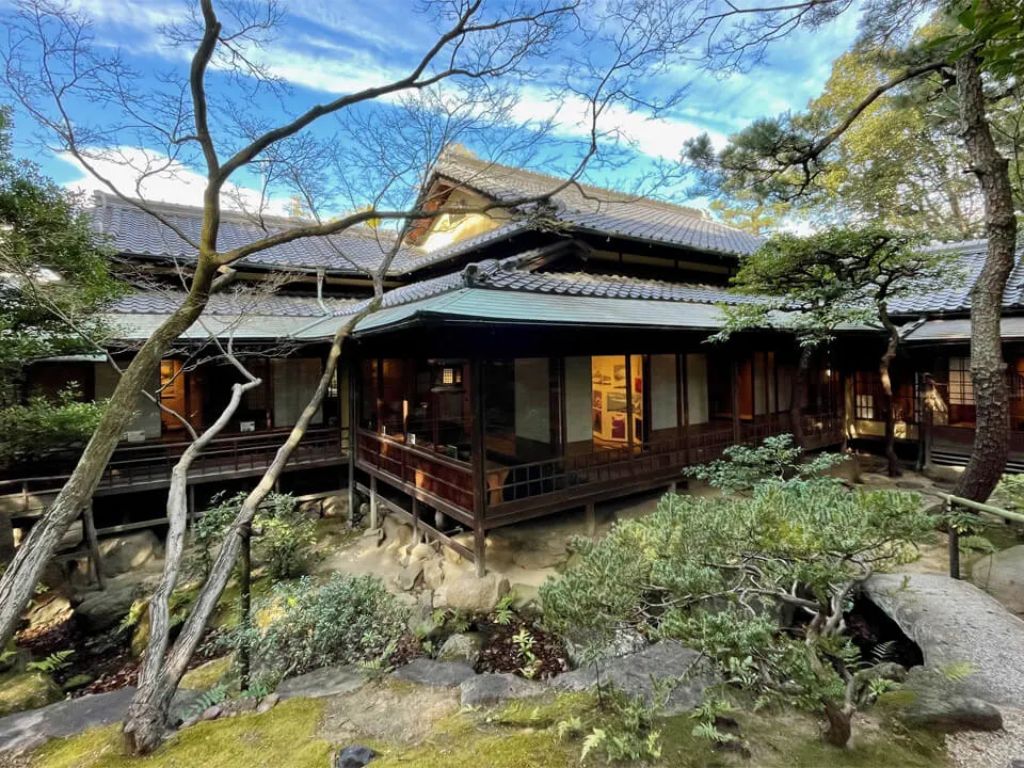
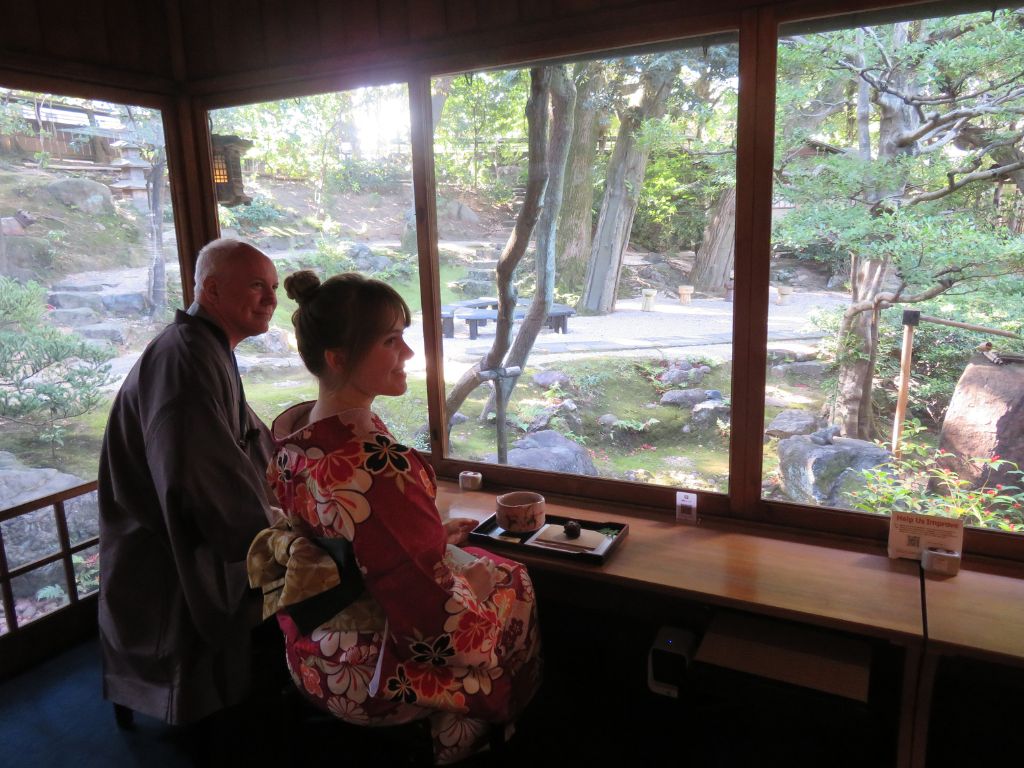
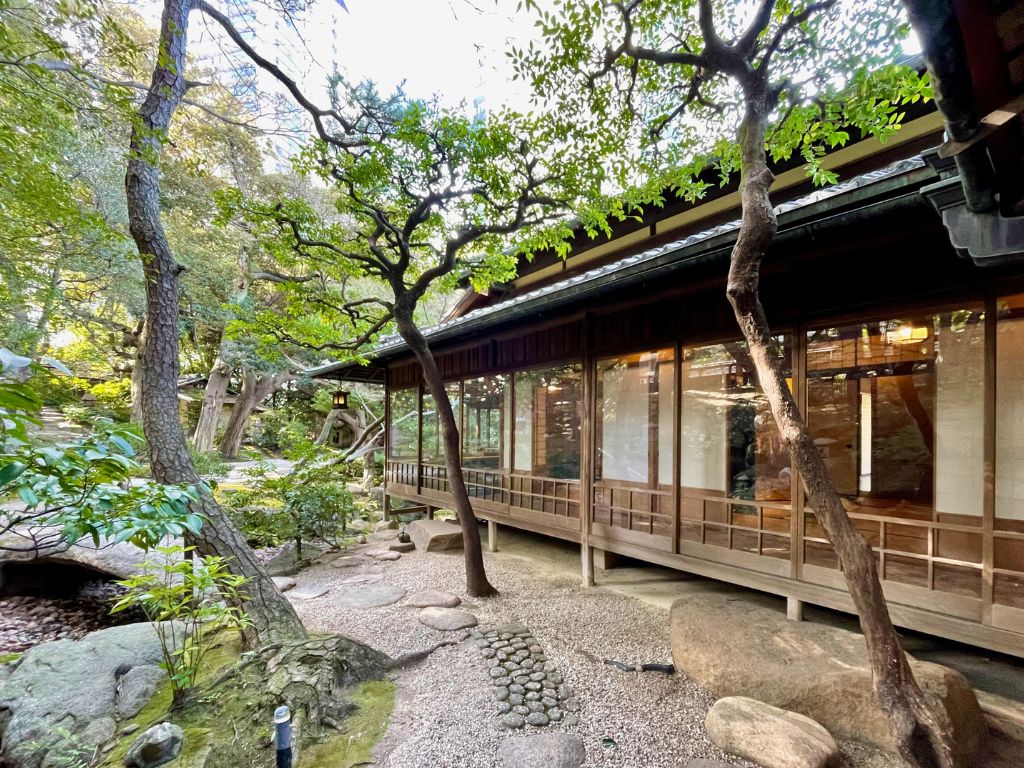
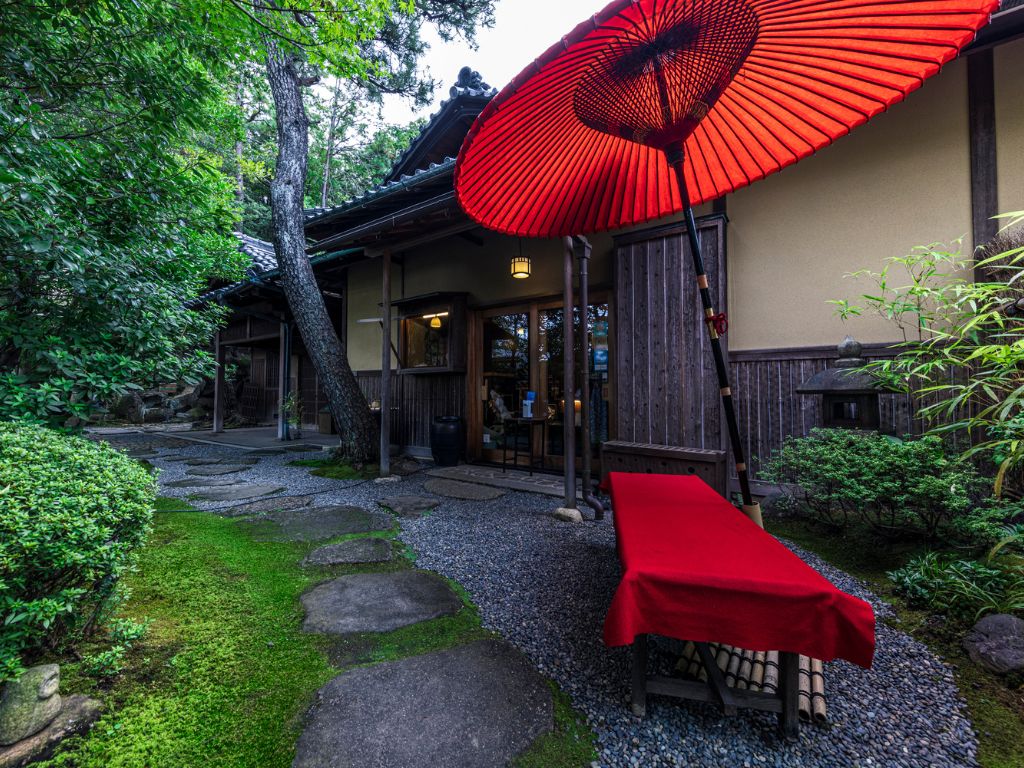
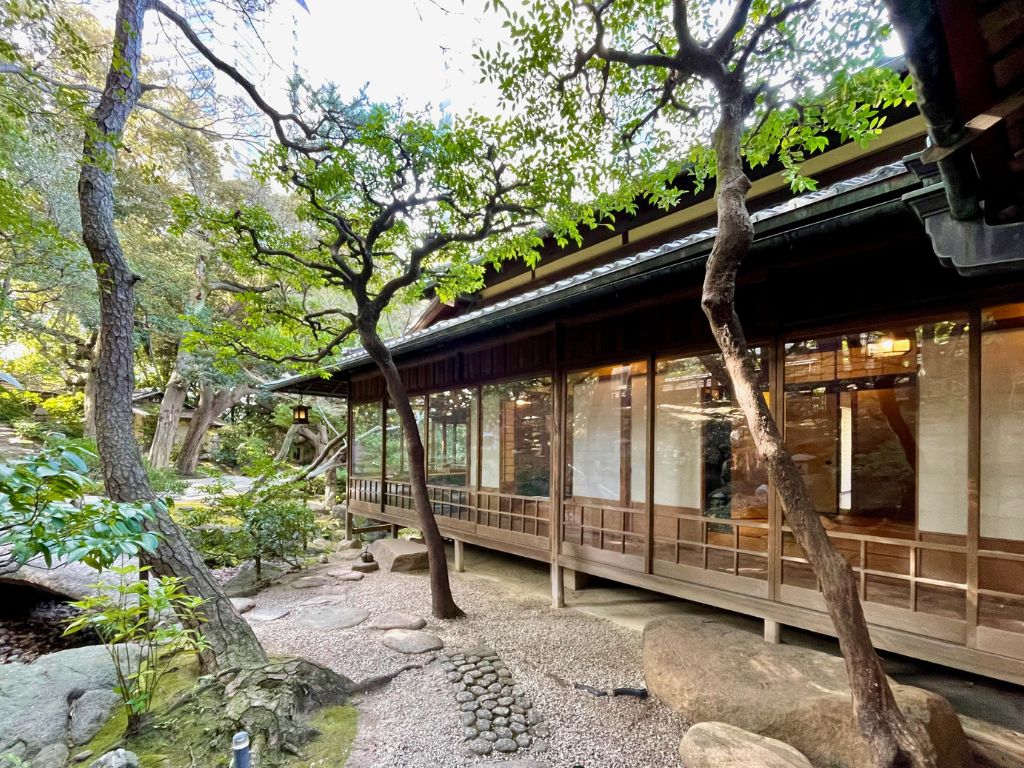
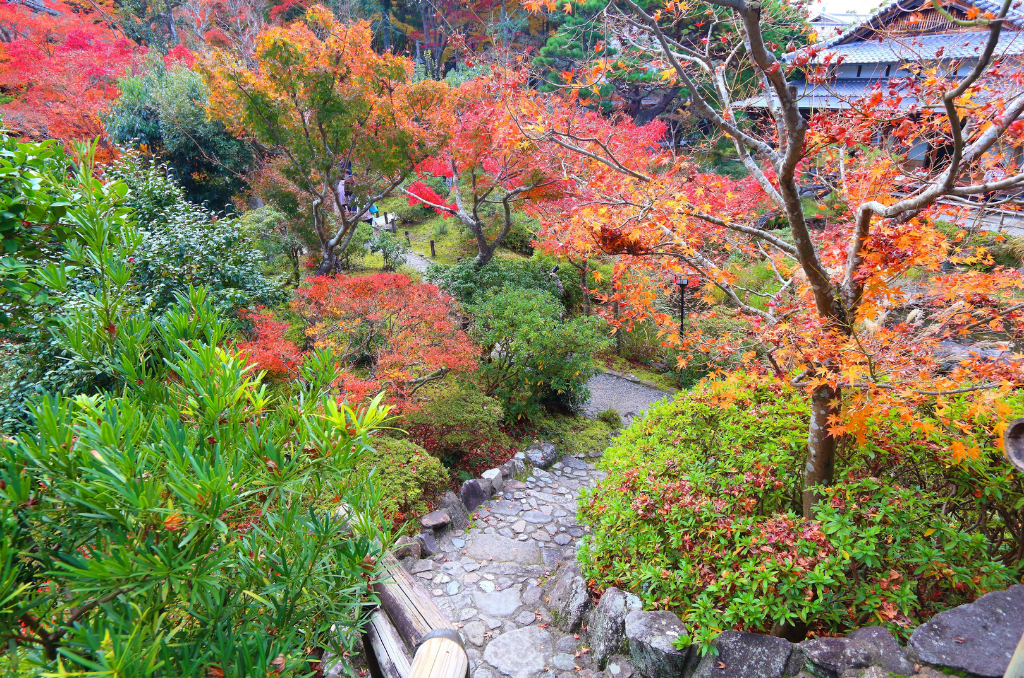
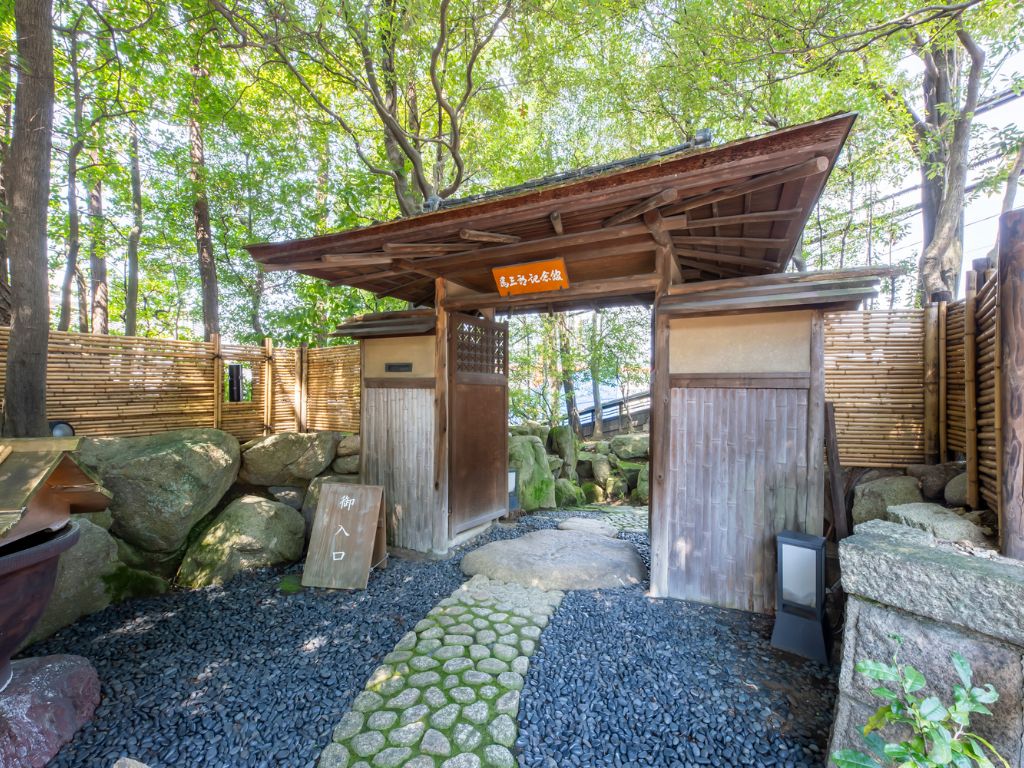
A truly unique tea ceremony awaits at the Tamesaburo Memorial Museum, a traditional Japanese house with beautiful traditional interior and a stunning garden all year round.
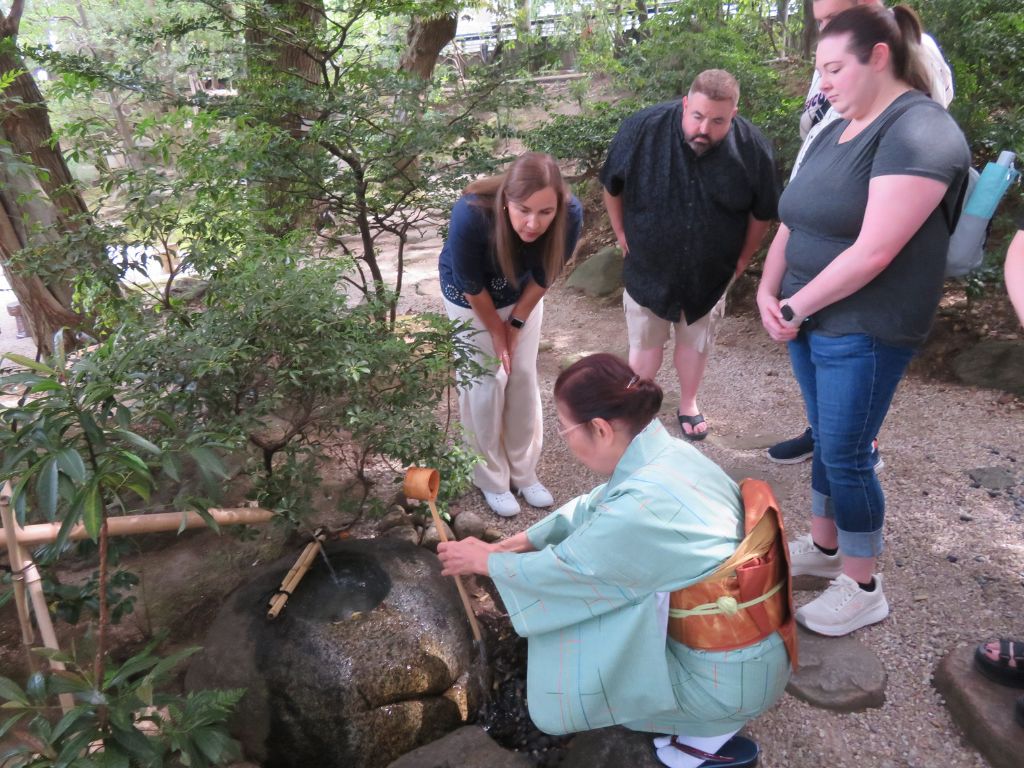
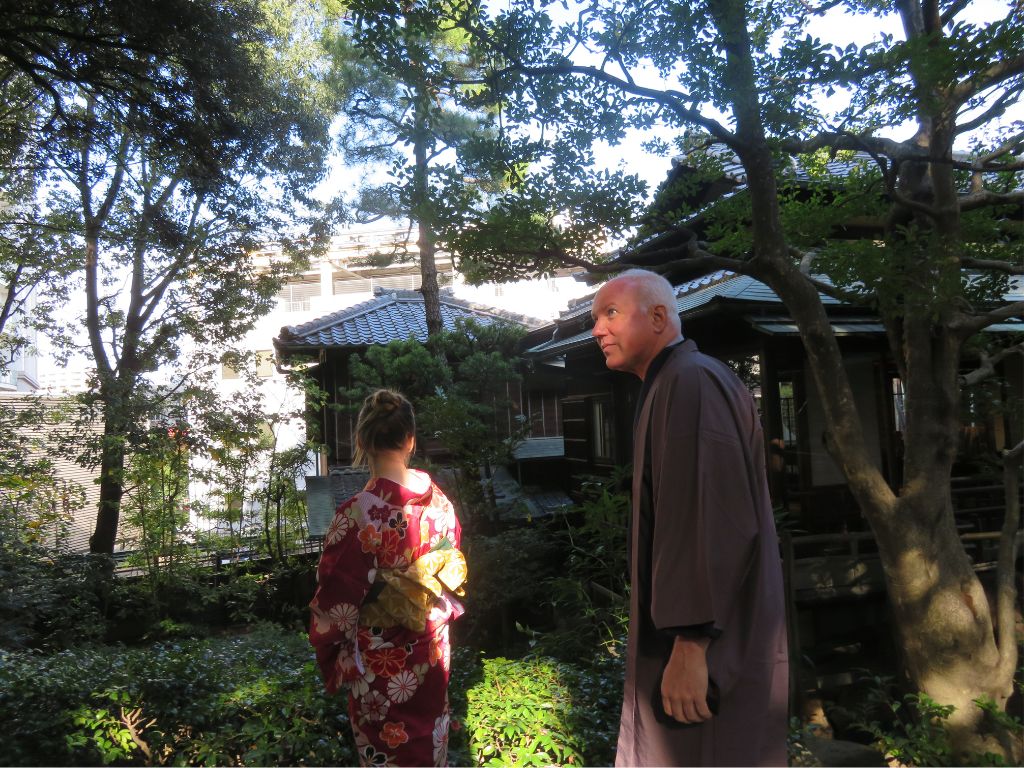
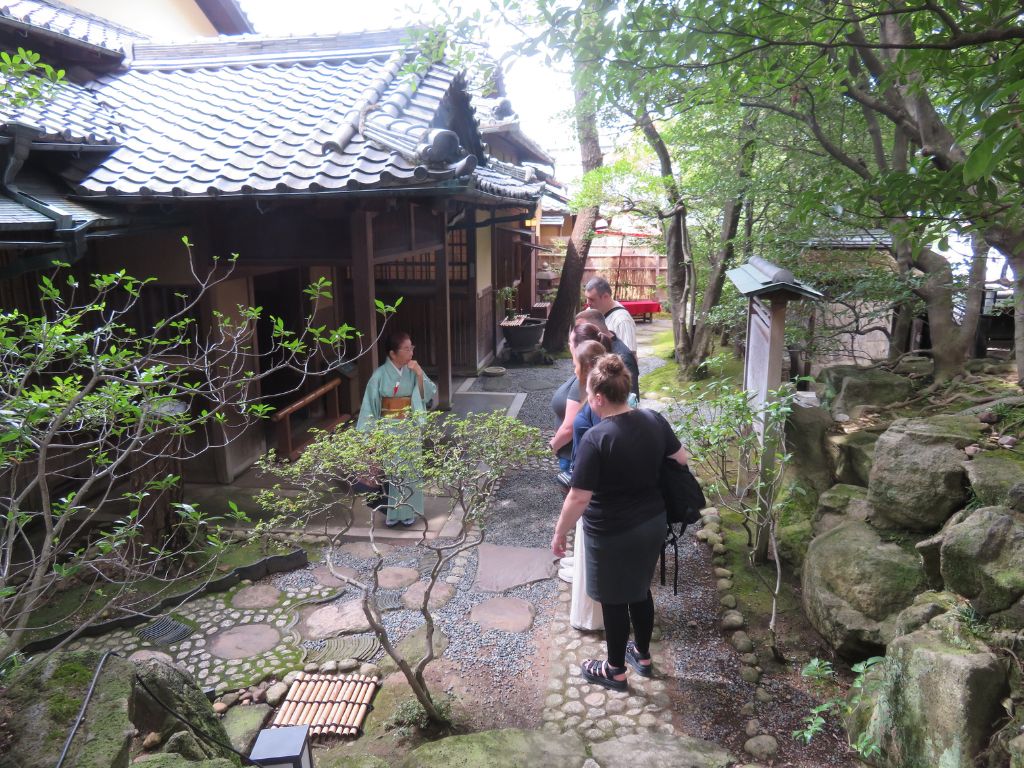
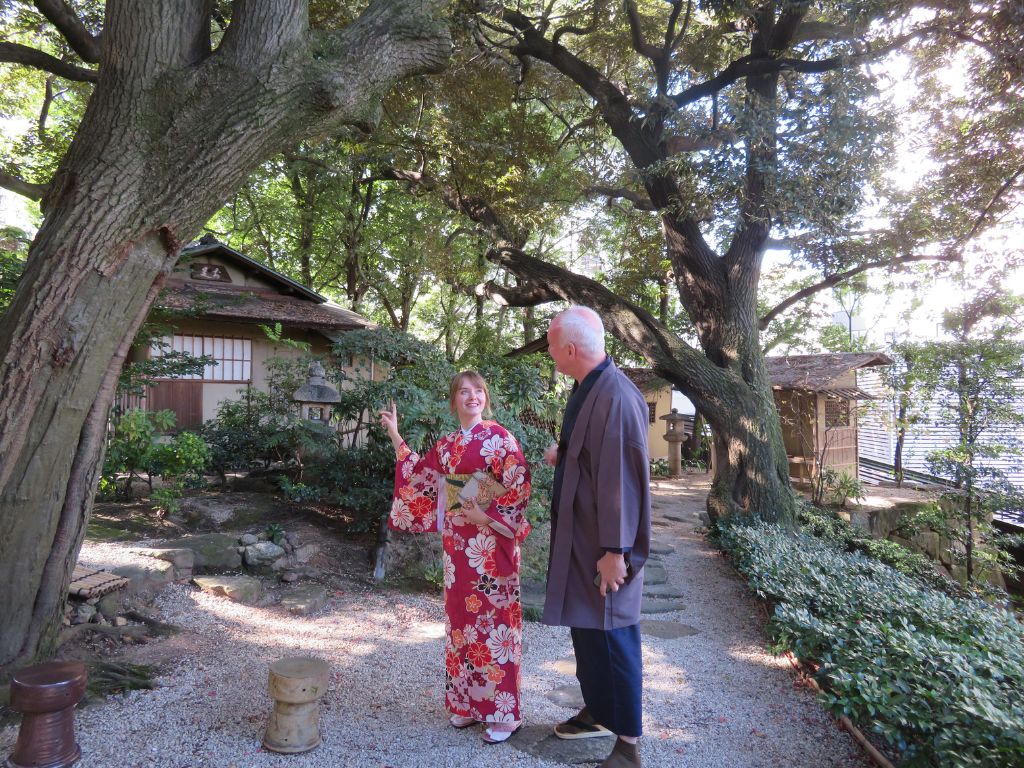
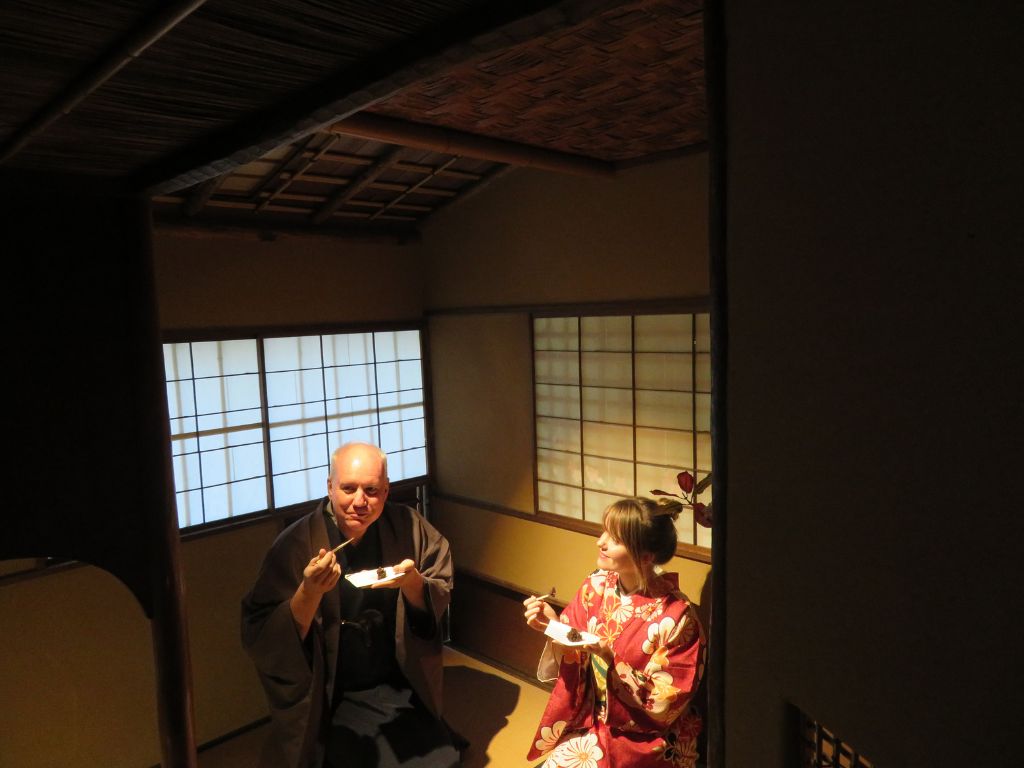
After a guided visit of the gardens and the tea houses on the grounds, learning about the house’s unique history and architecture, visit the interior rooms to marvel at the typical Japanese-style rooms and the art displayed on the walls.
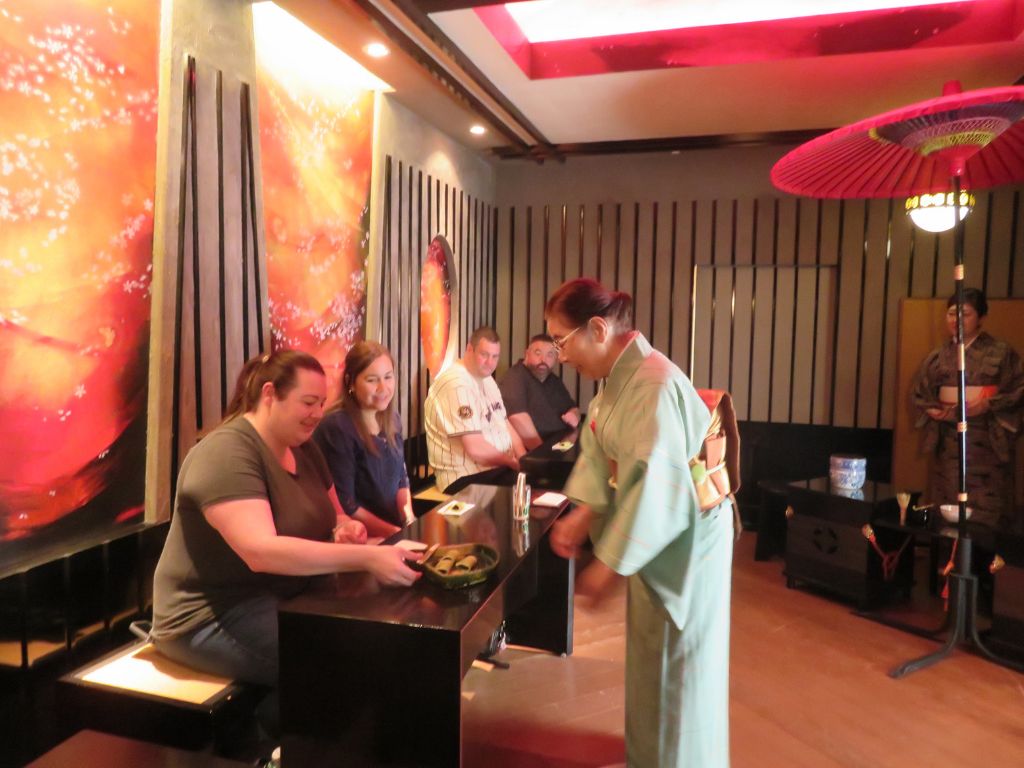
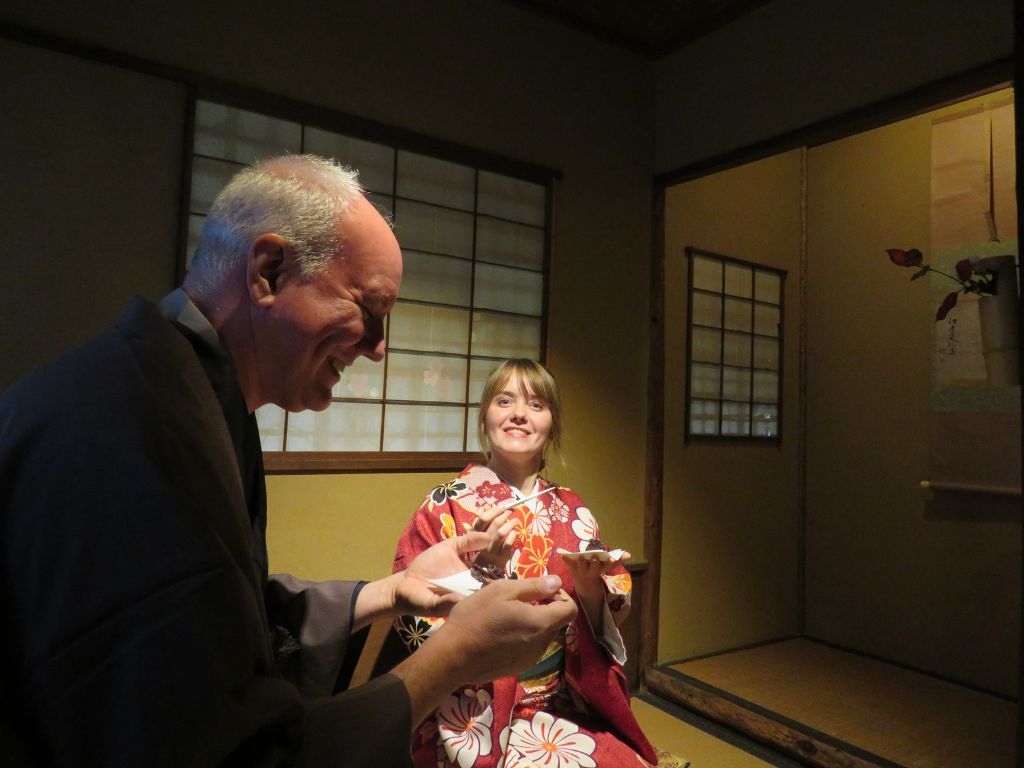
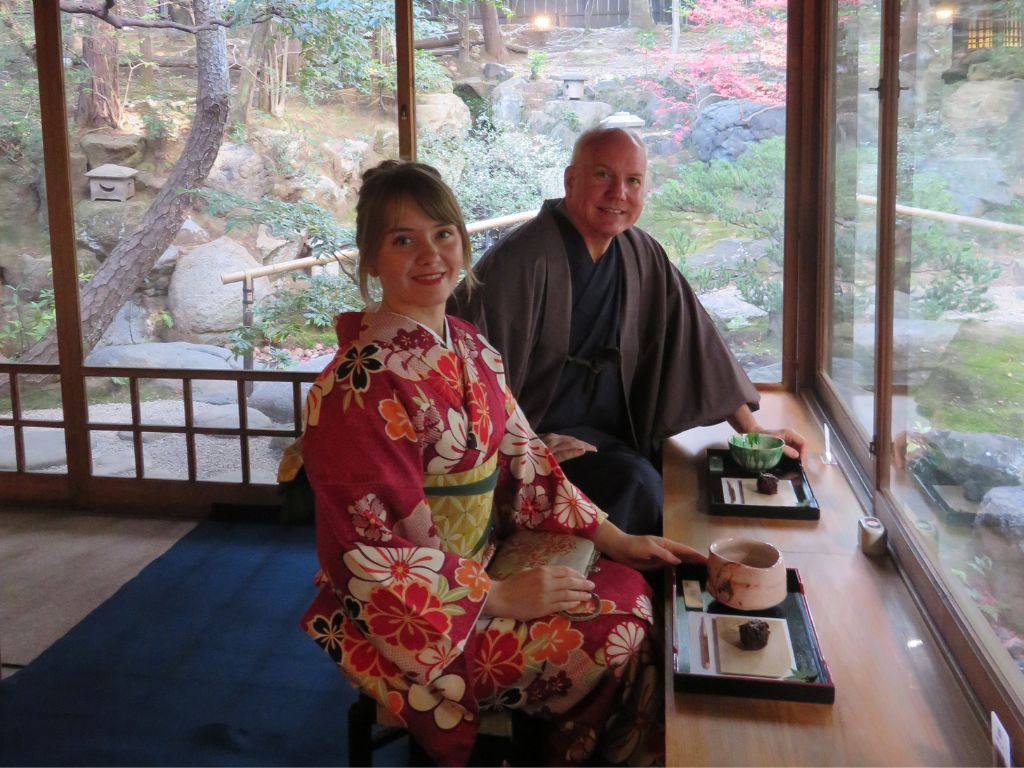
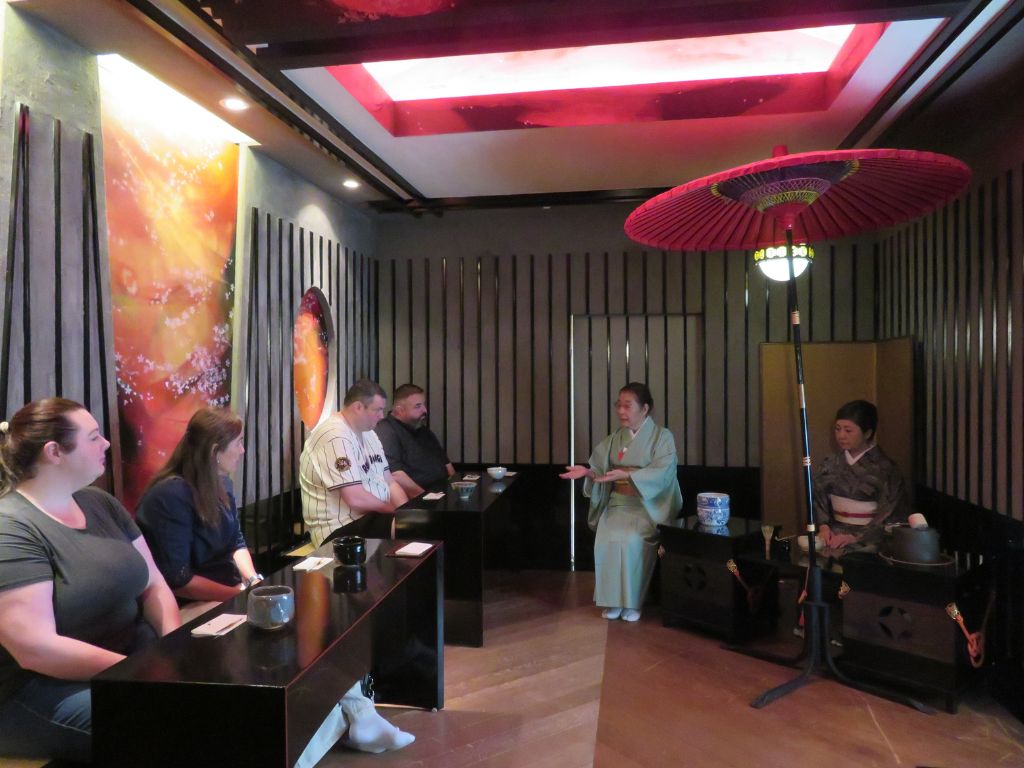
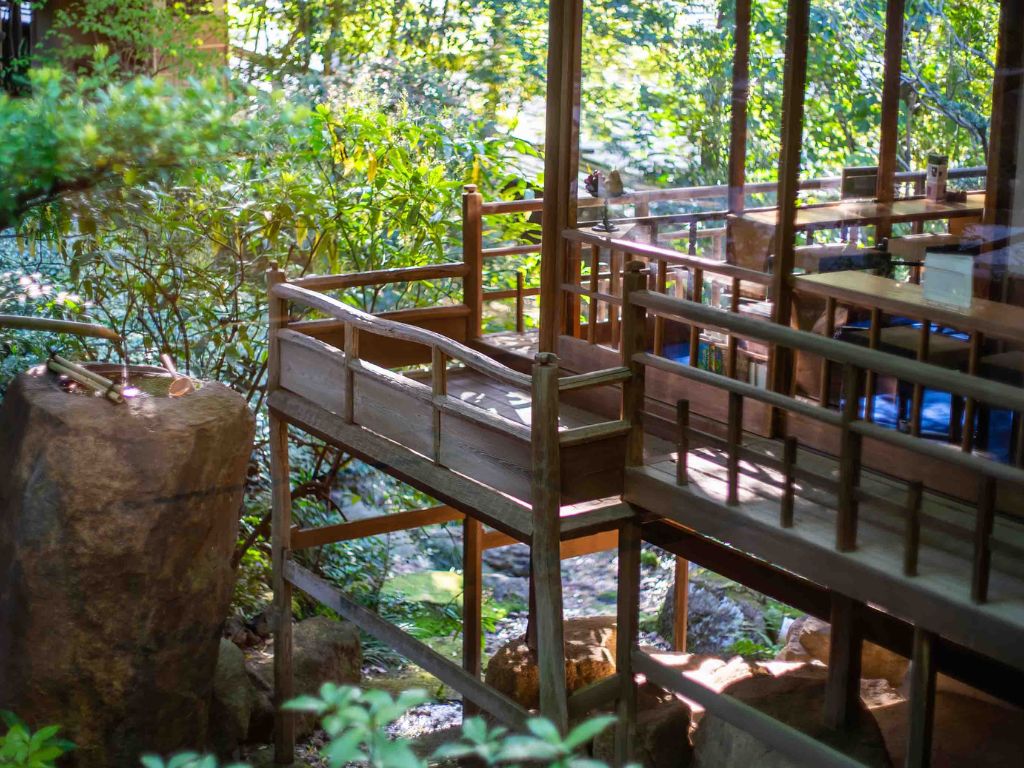
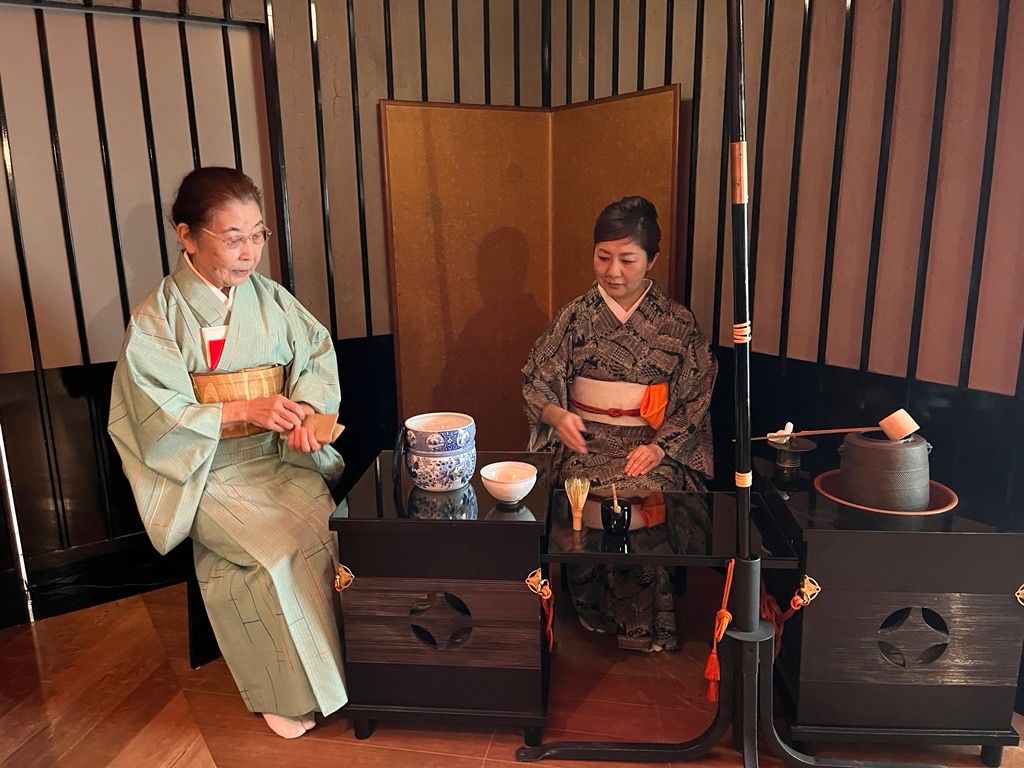
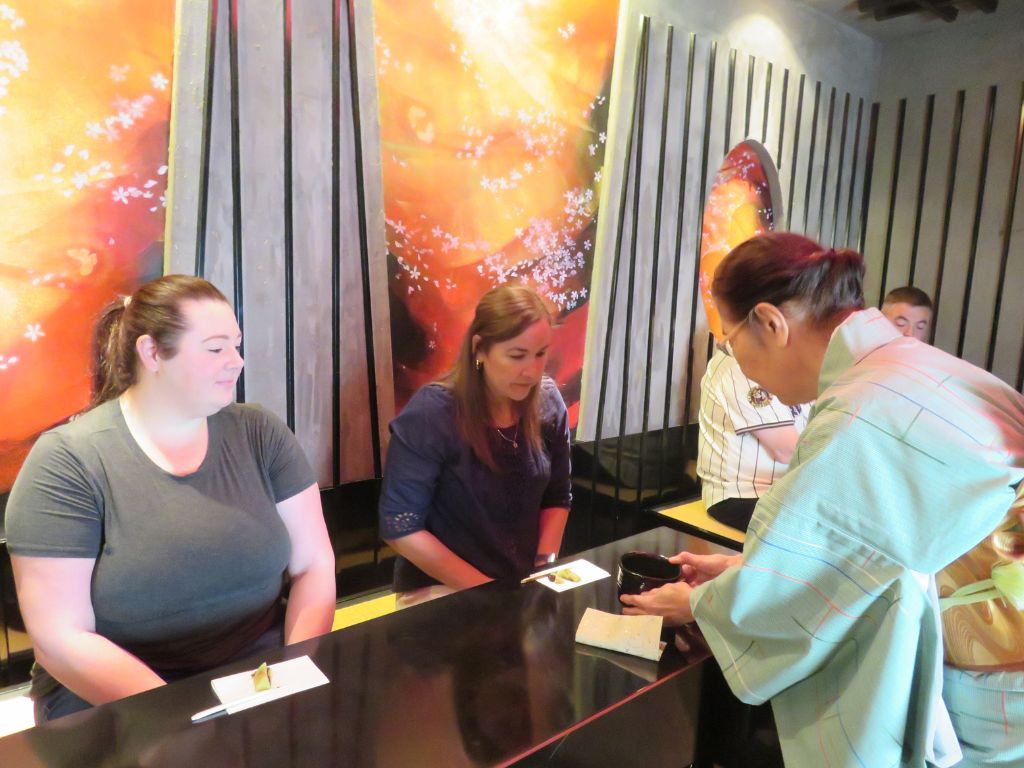
The tea ceremony will take place in one of the tea rooms named Sakura-no-ma, which combines modern and traditional designs. It has tables and chairs that make it easy for everyone to enjoy the tea ceremony without the need to sit on the tatami floor.
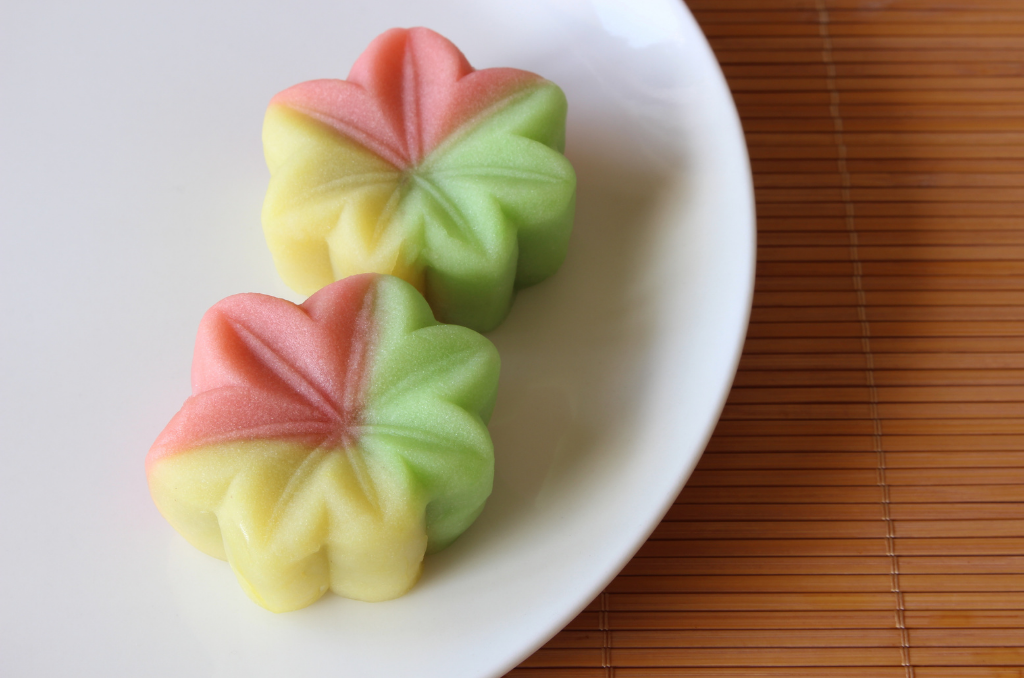
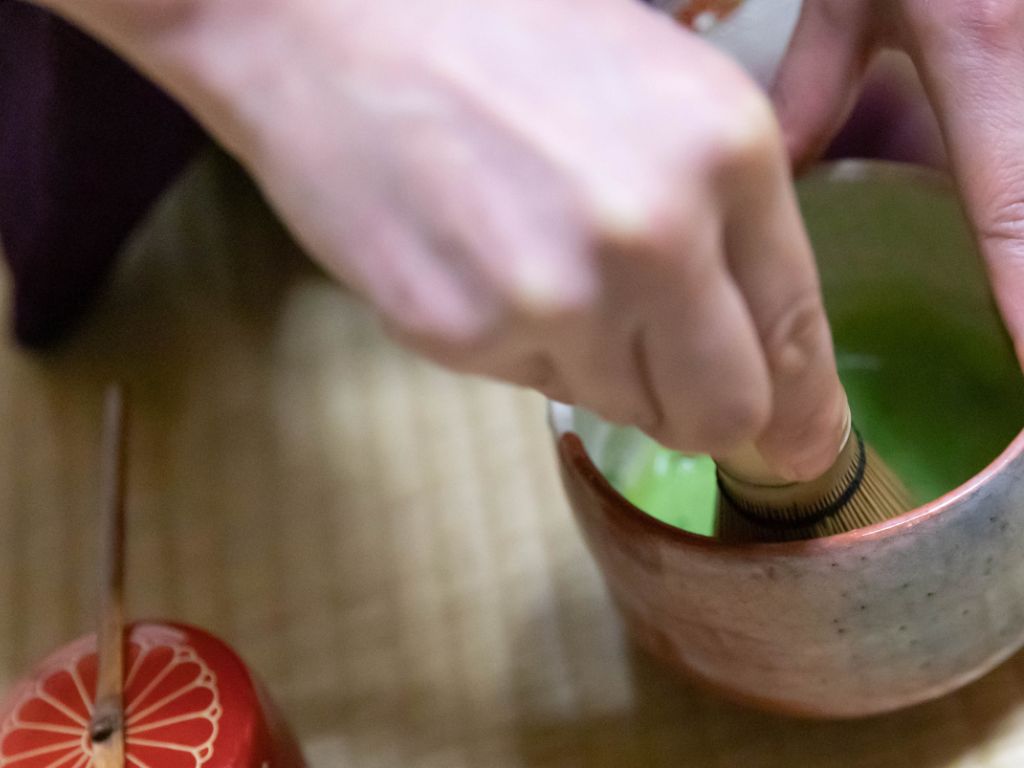
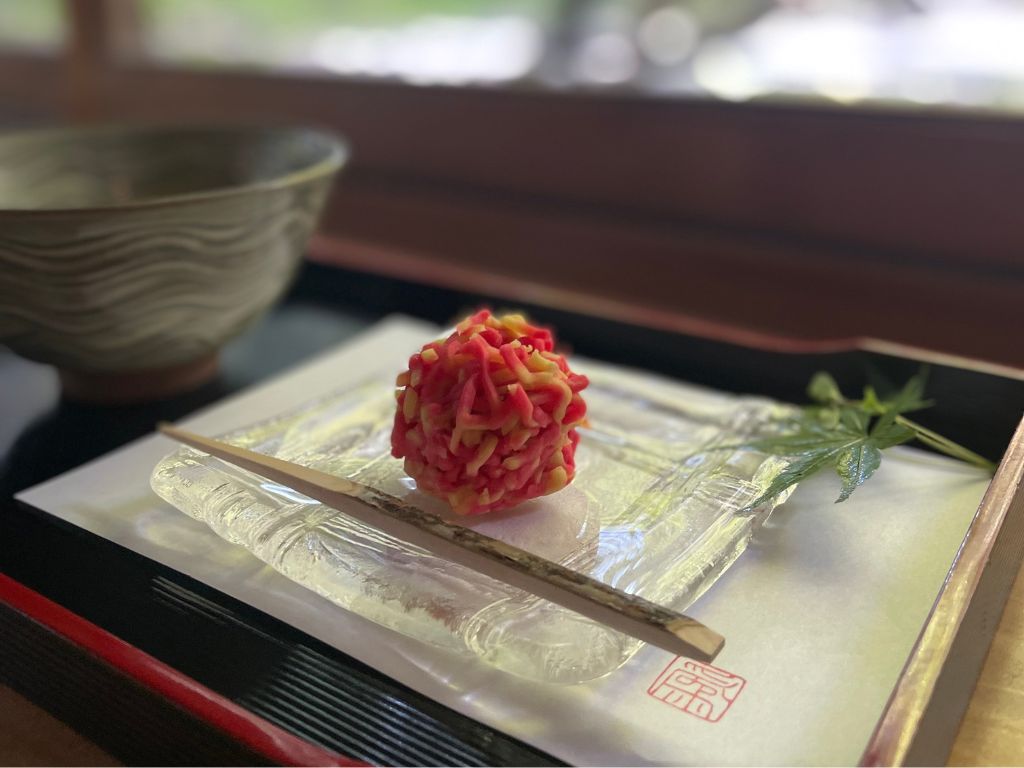
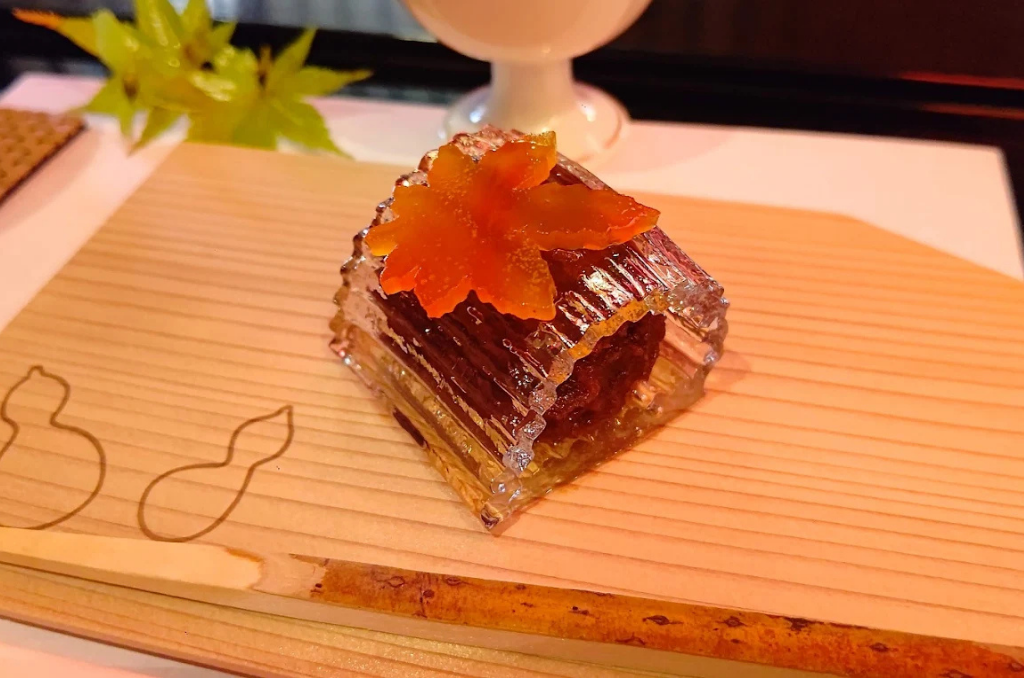
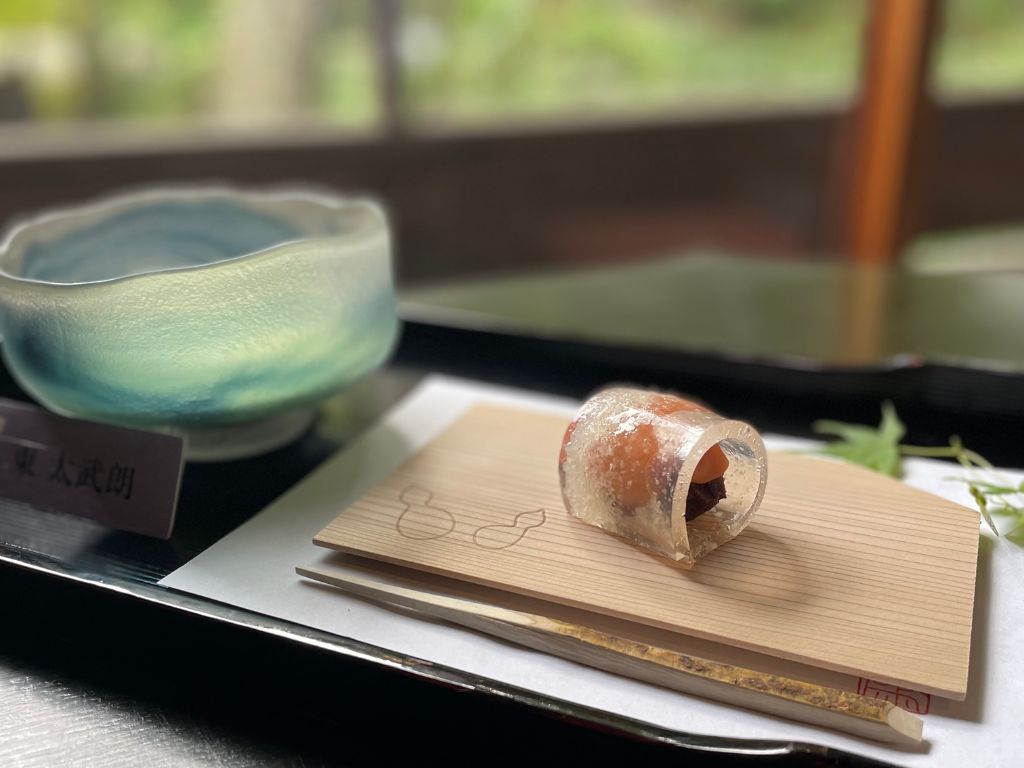
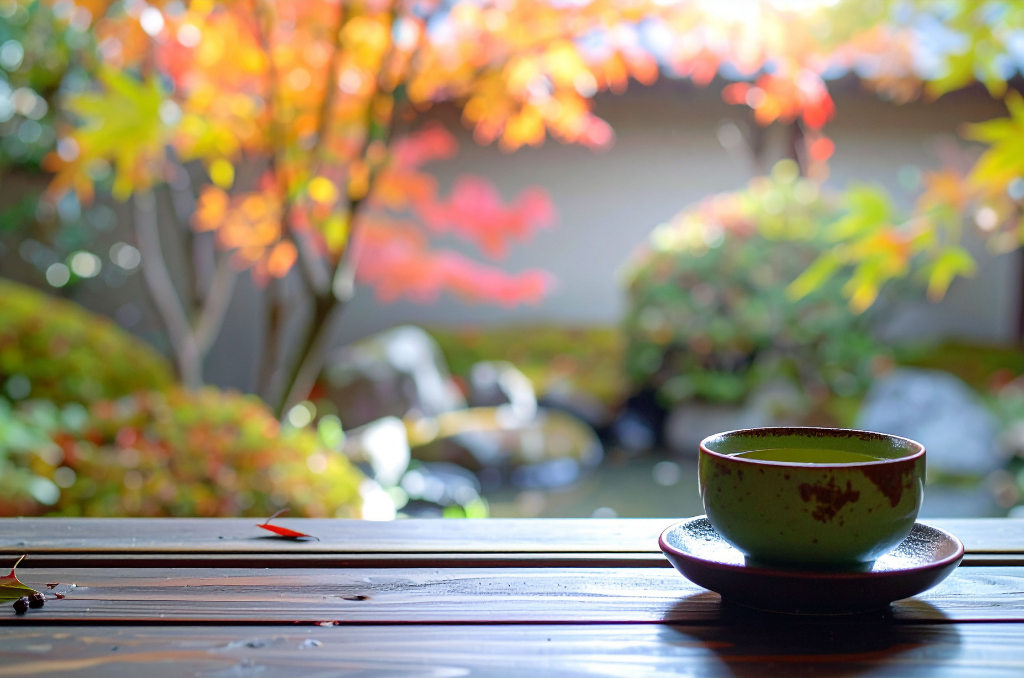
A tea ceremony master will perform a full tea ceremony for you, serving traditional Japanese sweets and then a bowl of matcha tea.
2-3 people: 17,000 yen + taxes/person
4-5 people: 15,000 yen + taxes/person
6 people: 13,000 yen + taxes/person
7 people: 12,000 yen + taxes/person
8-10 people: 10,000 yen + taxes/person
Private Experience
Tamesaburo Memorial Museum (Google Maps)
Tamesaburo Memorial Museum (Google Maps)
10:30 ~ 11:30 (1 hour)
13:30 ~ 14:30 (1 hour)
English
Yes! Children are welcome to join this experience. It’s a great opportunity for families to experience an important part of Japanese culture together and learn about the traditions and etiquette surrounding tea ceremony in a relaxed setting.
Not at all! No previous experience is necessary. Your host will explain the meaning behind the different steps of the ceremony and guide you through the experience, so you can simply relax and enjoy learning about Japanese tea culture.
Yes! As part of the experience, you’ll have the opportunity to prepare your own bowl of matcha under the guidance of your tea ceremony instructor. You’ll learn how to whisk the tea properly and enjoy it together with a traditional Japanese sweet.
The experience takes place in a traditional Japanese setting, so you may be seated on tatami mats during the ceremony. However, please let us know in advance if you have difficulty sitting on the floor for an extended period, and we’ll do our best to accommodate your needs.
There is no specific dress code, so comfortable, neat clothing is perfectly fine. We recommend avoiding very short skirts or shorts, as you may be sitting on tatami mats. You’ll also be asked to remove your shoes before entering the tea room, so wearing shoes that are easy to take on and off can be helpful.
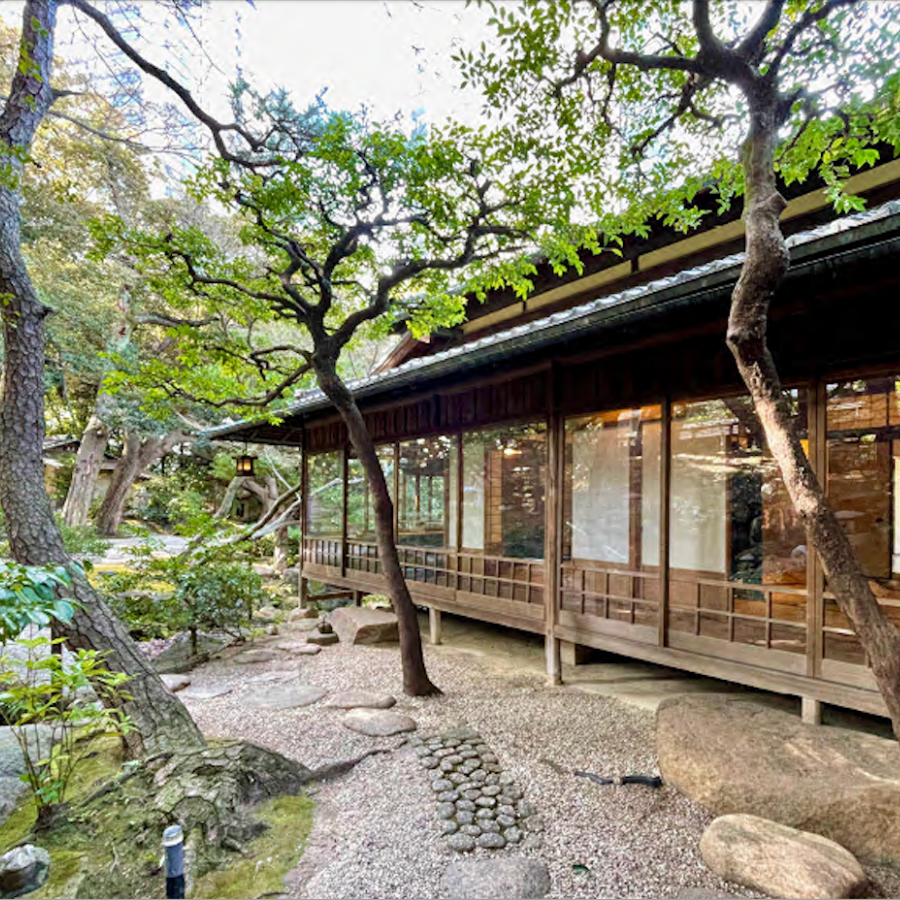
The Furukawa Art Museum, established in 1991, showcases a private collection of Japanese art and cultural artifacts gathered by prominent businessman Furukawa Tamezaburo. The museum features works from Japanese painters of his era, along with tea ceremony utensils, swords, and armor. Visitors can also explore the Tamezaburo Memorial Museum, a traditional 1934 building where Tamezaburo once lived and hosted tea ceremonies, offering an authentic glimpse into Japan’s cultural heritage.

Thank you for such a pleasant experience and to learn about the Japanese culture that centers on humility, respect and cleanliness. We thoroughly enjoyed ourselves especially with Noriko and Satsuki san as our guides. Noriko’s proficiency in English has made it so easy to understand what was going on. Satsuki san was just as well versed in English too. Thank you all for the memorable experience. Cheers to good health and peace.

My wife and I along with 2 friends we were travelling with had a delightful tour of the Tamesaburo Memorial Museum in Nagoya. We took a taxi from the Cruise Ship terminal to the site…. that was the easiest quickest way … it might have been difficult to find otherwise (use google maps if on foot).
On site Kuniko was our guide who did a great job explaining in English the ancient traditions, context, background and techniques both before and during the tea ceremony. The site itself is a beautiful garden with various water features and traditional Tea rooms. We were lucky enough to be there on a sunny autumn day (23 November) with spectacular autumn colours.
The Tea ceremony itself was performed by a Tea Ceremony Master. Every movement was precisely executed and explained by Kuniko. Chairs were provided for 2 of us (my friend recently had a knee operation and could not kneel). Each of us was given a traditional sweet and the newly made tea, which actually tasted very nice.
A really pleasant and informative way to be introduced to the Tea Ceremony. You could find a cheaper ceremony but the extra money was justified because of the site and explanation of the importance of the environment in and around the tea ceremony itself.