


Looking for the best spring day trips from Nagoya?
Spring is one of the most beautiful times to explore Central Japan. As cherry blossoms appear across the region, historic towns come alive, mountain landscapes turn green, and warmer weather makes exploring the countryside more enjoyable.
Nagoya is an excellent base for discovering the surrounding region. Within a few hours, you can walk along an ancient highway through the mountains, explore traditional streets lined with wooden houses, discover peaceful riverside towns, or enjoy the first signs of spring in the Japanese countryside.
Whether you’re looking for spectacular cherry blossoms, cultural experiences, scenic hikes, or a taste of traditional Japan, these six destinations offer plenty of reasons to venture beyond the city.
And if you prefer to stay closer to Nagoya, spring is also a wonderful time to discover the city’s historic landmarks, seasonal sweets, and local food culture.
Here are six of the best spring day trips from Nagoya.
Article Contents
1. Inuyama
⭐ BEST FOR CASTLE HISTORY, CHERRY BLOSSOMS, AND A CHARMING OLD TOWN

Just north of Nagoya, Inuyama is an excellent spring day trip for travelers who want to experience traditional Japan without venturing too far from the city.
The town is best known for Inuyama Castle, one of Japan’s oldest surviving original castles. Perched on a hill overlooking the Kiso River, the wooden castle offers wonderful views of the surrounding landscape and a fascinating glimpse into Japan’s feudal history.
Spring is one of the most beautiful times to visit. Cherry blossoms bring seasonal color to the area around the castle and nearby riverbanks, creating lovely scenery for a leisurely walk and photographs. The exact timing of the blossoms varies each year, but late March and early April are often good periods to watch for them.
After exploring the castle, head down to the historic town center. Honmachi Street is lined with traditional-style buildings, small shops, cafés, and food stalls. It’s a great place to sample local specialties, browse for souvenirs, and enjoy the relaxed atmosphere of a historic Japanese town.
If you’re interested in culture, you can also visit the nearby Sanko Inari Shrine, known for its rows of red torii gates and heart-shaped pink votive plaques. The shrine is a popular photography spot and a lovely addition to a spring stroll.
For a longer visit, consider exploring the area around the Kiso River or discovering more about Inuyama’s traditional festival culture. The town’s famous Inuyama Festival takes place in April, with elaborate floats and traditional performances. Check the official schedule before your visit, as festival dates and arrangements can affect crowds and access.
Perfect for: Cherry blossom enthusiasts, history lovers, photographers, couples, families, and travelers looking for an easy cultural day trip.
Why spring? Seasonal cherry blossoms, pleasant walking weather, and the chance to experience the Inuyama Festival make spring a particularly rewarding time to visit.
Inuyama (犬山)
Best Time: Late March to April for cherry blossoms and spring sightseeing. The Inuyama Festival is traditionally held on the first Saturday and Sunday of April; confirm the dates for your travel year.
Entry Fee: Exploring the town and public streets is free. Inuyama Castle and some nearby attractions require admission.
Opening Hours: The castle and individual attractions have their own opening hours. The historic streets are generally accessible throughout the day, although many shops operate during daytime hours.
Address: Inuyama Castle, Kitakoken-65-2, Inuyama, Inuyama, Aichi 484-0082.
Access: Take the Meitetsu train from Nagoya Station to Inuyama Station. The journey typically takes around 25–35 minutes, depending on the service. From Inuyama Station, the historic town center and castle are within walking distance.
Website (Japanese only) | Google Maps
Make the most of your visit to this historic castle town with our Inuyama Day Tour. Discover Inuyama’s rich history, traditional streets, and seasonal scenery with a local guide who can bring the town’s heritage to life.
👉 Become a samurai for a day on our Inuyama Samurai Experience Day Tour

2. Magome & Tsumago
⭐ BEST FOR HISTORY, HIKING, AND SPRING MOUNTAIN SCENERY

If you want to experience traditional Japan away from the big cities, Magome and Tsumago are two of the most rewarding places to visit in spring.
These beautifully preserved post towns lie along the historic Nakasendo, an old highway that once connected Edo, modern-day Tokyo, with Kyoto. Their narrow streets, traditional wooden buildings, old inns, and small shops offer a glimpse into what travel was like during the Edo period.
Spring is an excellent season to explore the area on foot. The surrounding mountains begin to turn green, forest trails become more inviting, and the fresh mountain air makes walking between the two towns a pleasure.
The Nakasendo trail connecting Magome and Tsumago passes through quiet forests, rural settlements, and countryside scenery. Along the way, you’ll find traditional architecture and peaceful stretches of nature that feel far removed from modern Japan.
Cherry blossoms may appear around the region in spring, although their timing varies with elevation and weather. Even outside the peak blossom period, the combination of historic streets and fresh greenery makes this a memorable excursion.
Perfect for: Hikers, history lovers, photographers, couples, and travelers interested in traditional Japanese culture.
Why spring? Comfortable hiking weather, fresh greenery, and the opportunity to explore two historic post towns on foot make spring a wonderful season for the Nakasendo.
Magome & Tsumago (馬籠・妻籠)
Best Time: April to May for spring hiking and fresh mountain scenery. Cherry blossom timing varies depending on the year and location.
Entry Fee: Free to explore the towns and public trail. Some attractions may charge admission.
Opening Hours: The streets and hiking trail are accessible during daylight hours. Individual shops and attractions generally operate during the day.
Address: Magome, Nakatsugawa, Gifu, and Tsumago, Nagiso, Nagano.
Access: Travel from Nagoya toward Nakatsugawa Station by JR train, then take a local bus to Magome. From Tsumago, buses connect with Nagiso Station. Check seasonal bus timetables before planning your route, particularly if you intend to hike between the towns.
Website | Google Maps
Want to explore the historic Nakasendo with a local expert? Join our Magome to Tsumago Hiking Tour to discover traditional post towns, learn about Japan’s history, and enjoy the beautiful spring countryside.

3. Okazaki City
⭐ BEST FOR CHERRY BLOSSOMS, SAMURAI HISTORY, AND LOCAL FOOD

Looking for a spring day trip that combines beautiful cherry blossoms, fascinating history, and authentic local flavors? Okazaki is an excellent choice.
Located in Aichi Prefecture, Okazaki is best known as the birthplace of Tokugawa Ieyasu, one of Japan’s great unifiers and the founder of the Tokugawa shogunate. At the heart of the city stands Okazaki Castle, surrounded by Okazaki Park, one of the region’s most popular cherry blossom destinations.
Spring is a particularly beautiful time to visit. Hundreds of cherry trees bloom around the castle grounds and along the nearby Oto River, creating a picturesque setting for hanami (cherry blossom viewing). The annual Okazaki Cherry Blossom Festival adds to the atmosphere, with seasonal celebrations and illuminations that make the area especially lively.
But Okazaki has more to offer than sakura and samurai history.
The city is also famous for Hatcho miso, a rich, dark soybean miso traditionally produced in the Hatcho district for centuries. Discovering this local specialty offers a fascinating glimpse into Aichi’s fermentation culture and the flavors that make the region’s cuisine unique.
Whether you’re admiring cherry blossoms, exploring the castle, or discovering local food traditions, Okazaki offers a rewarding combination of history, nature, and culture just outside Nagoya.
Perfect for: Cherry blossom enthusiasts, history lovers, foodies, couples, families, and travelers interested in samurai culture.
Why spring? Cherry blossoms around Okazaki Castle and the Oto River, seasonal festivities, and pleasant walking weather make spring one of the most rewarding times to explore the city.
Okazaki (岡崎市)
Best Time: Late March to early April for cherry blossoms, depending on the year’s weather. The annual cherry blossom festival usually takes place around this period.
Entry Fee: Okazaki Park is free to explore. Admission fees apply to Okazaki Castle and certain attractions.
Opening Hours: The park is generally accessible throughout the day. Okazaki Castle, museums, and other attractions have their own opening hours.
Address: Okazaki Park, 561-1 Kosei-cho, Okazaki, Aichi 444-0052.
Access: From Nagoya, take the Meitetsu Nagoya Line to Higashi-Okazaki Station, approximately 30–40 minutes depending on the service. Okazaki Park is around a 15-minute walk from the station.
Website (Japanese only) | Google Maps
Want to discover the birthplace of Tokugawa Ieyasu and the flavors that shaped this historic city? Join our Samurai Food & History Tour in Okazaki to explore its samurai heritage, discover Hatcho miso, and experience a different side of Aichi with a local guide.
👉 If you want to read more about Okazaki you can read our complete guide: Discover Okazaki

4. Mt. Horaiji
⭐ BEST FOR NATURE, SPIRITUALITY, AND A QUIETER SPRING ESCAPE
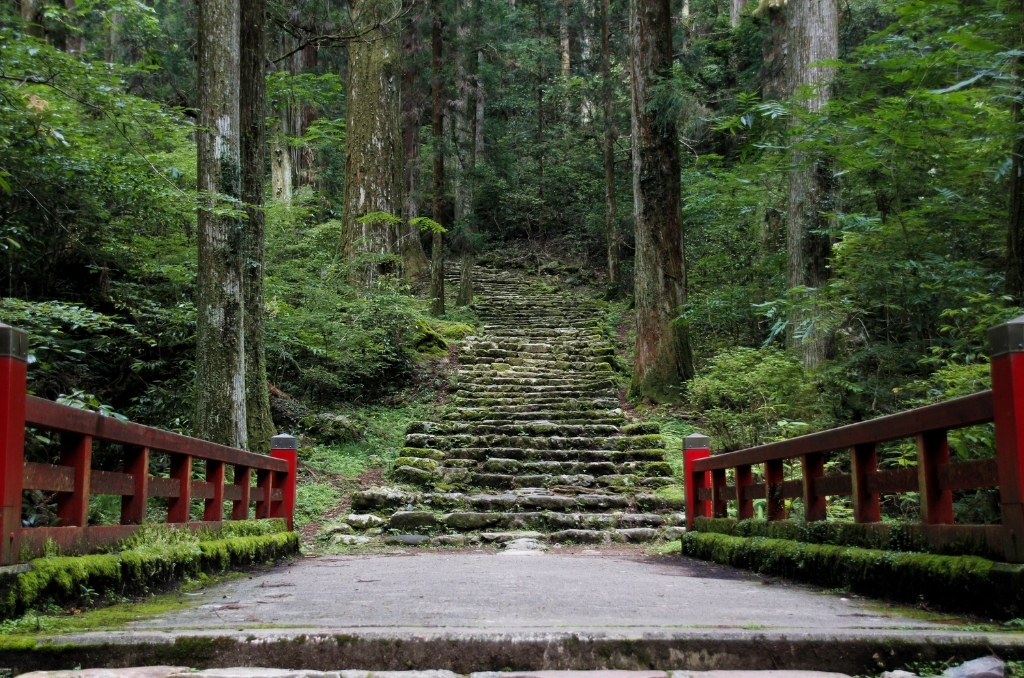
If you’d rather spend your day surrounded by nature than visiting a busy sightseeing destination, Mt. Horaiji in eastern Aichi Prefecture is an excellent option.
This historic mountain combines forest scenery, religious heritage, stone stairways, and peaceful temple grounds. It is associated with more than 1,300 years of Buddhist history and offers a very different experience from Nagoya’s urban attractions.
One of the mountain’s best-known features is the long stone staircase leading through a forest of towering cedar trees toward Horaiji Temple. The ascent is steep in places, but the quiet woodland setting makes the journey rewarding for visitors who enjoy hiking.
Spring brings fresh greenery to the forest, and the milder weather can make exploring the mountain more comfortable than during the hottest summer months. Seasonal flowers and blossoms may appear around the area, depending on the timing of your visit.
At the same time, Mt. Horaiji remains a place of spiritual significance. The historic temple grounds and surrounding forest offer opportunities to slow down, appreciate the landscape, and learn about the region’s religious traditions.
If you’re interested in combining outdoor activities with local culture, the surrounding area is also known for its countryside scenery and regional tea traditions.
Perfect for: Hikers, nature lovers, photographers, spiritual travelers, and visitors looking for a quieter side of Aichi.
Why spring? Fresh forest greenery, pleasant hiking conditions, and the peaceful atmosphere of the mountain make spring a rewarding season to visit.
Mt. Horaiji (鳳来寺山)
Best Time: March to May for spring hiking and greenery. Check local weather and trail conditions before setting out.
Entry Fee: The mountain trails and temple approach are generally free to explore. Fees may apply to individual facilities or special areas.
Opening Hours: Outdoor trails are accessible during daylight hours. Individual facilities may have limited operating hours.
Address: Horaiji, Shinshiro, Aichi 441-1944.
Access: From Nagoya, take a train toward Toyohashi and continue on the JR Iida Line toward the Mt. Horaiji area. Local bus services and schedules vary, so check connections carefully before traveling.
Website | Google Maps
Escape into Aichi’s countryside with our Mt. Horaiji Nature Hike & Green Tea Experience. Combine a scenic nature walk with an introduction to local tea culture for a refreshing spring adventure beyond the city.
👉 Tap into your spiritual side on our Sacred Mt. Horaiji Nature Hike & Green Tea Experience
5. Gifu City
⭐ BEST FOR CASTLE VIEWS, RIVERSIDE WALKS, AND SAMURAI HISTORY

Just a short journey from Nagoya, Gifu City offers a rewarding mix of history, nature, and traditional Japanese culture. Overlooking the city from the forested slopes of Mt. Kinka, Gifu Castle is one of the area’s most recognizable landmarks and a wonderful destination for a spring excursion.
The castle is closely associated with the famous warlord Oda Nobunaga, who used Gifu as an important base during his campaign to unify Japan. Today, visitors can explore the castle and enjoy panoramic views of the city and surrounding countryside.
Spring is a particularly pleasant time to visit. Cherry blossoms bring seasonal color to the area around Gifu Park, while the warmer weather makes it enjoyable to explore the surrounding paths and historic sites.
After visiting the park, take a walk along the Nagara River, which flows through the city beneath the mountains. The riverside offers beautiful views, and the surrounding area is known for its connection to traditional cormorant fishing, or ukai, a practice with a long history in Gifu.
You can also explore Kawaramachi, a historic district with traditional townhouses, small shops, cafés, and craft stores. Its narrow streets provide a glimpse into the city’s past and are a lovely place to browse for local souvenirs.
For a spring day trip that combines history, cherry blossoms, and scenic views without requiring a long journey, Gifu City is an excellent choice.
Perfect for: History enthusiasts, photographers, couples, families, and travelers looking for an easy day trip from Nagoya.
Why spring? Cherry blossoms around Gifu Park, fresh greenery on Mt. Kinka, and pleasant weather for riverside walks make spring an ideal time to explore the city.
Gifu City (岐阜市)
Best Time: Late March to April for cherry blossoms, depending on the year’s weather. May is also a lovely time to enjoy the greenery and riverside scenery.
Entry Fee: Gifu Park and the riverside areas are free to explore. Gifu Castle and the Mt. Kinka Ropeway require tickets.
Opening Hours: Gifu Park is generally accessible throughout the day. Gifu Castle, the ropeway, and individual attractions have seasonal operating hours, so check before visiting.
Address: Gifu Park, 1-1 Omiya-cho, Gifu, Gifu 500-8003.
Access: Take the JR Tokaido Line from Nagoya Station to Gifu Station, a journey of approximately 20 minutes. From there, take a local bus toward Gifu Park and the Gifu Castle area. Allow around 40–60 minutes in total from Nagoya, depending on connections.
Website | Google Maps
Discover Gifu’s history, culture, and scenic highlights with a local guide on our Gifu Day Trip from Nagoya. It’s a convenient way to explore beyond Nagoya and experience more of the region without worrying about planning every detail yourself.
👉 Go beyond Nagoya on our Gifu Day Trip from Nagoya

6. Shirakawago
⭐ BEST FOR TRADITIONAL VILLAGES, RURAL SCENERY, AND PHOTOGRAPHY

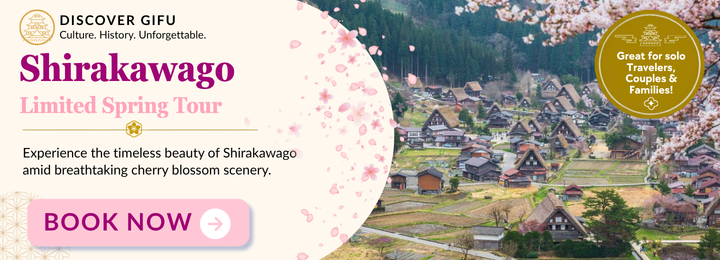
Shirakawago is famous for its traditional gassho-zukuri farmhouses, recognizable by their steep thatched roofs. This UNESCO World Heritage site offers a fascinating glimpse into rural Japanese life and is one of the most distinctive destinations in Central Japan.
While many travelers associate Shirakawago with winter snow, spring has its own appeal.
As the snow melts and the surrounding mountains become greener, the village takes on a softer, more colorful appearance. The traditional houses stand out against the countryside, while fields, waterways, and mountain views create a peaceful rural atmosphere.
Cherry blossoms can appear around the village in spring, often later than in Nagoya because of the higher elevation and colder climate. If you visit at the right time, you may see delicate blossoms alongside the traditional architecture.
You can spend your visit walking through Ogimachi village, photographing the farmhouses, visiting the Wada House, and heading to the village viewpoint for a panoramic view of the settlement.
Spring is also a good time to learn about the area’s traditional way of life. The distinctive farmhouses were designed to withstand heavy snowfall, and some can be visited to discover how families lived and worked in this mountainous environment.
Keep in mind that Shirakawago is a popular destination throughout the year. Visiting early in the day can help you enjoy a quieter experience.
Perfect for: First-time visitors to Japan, photographers, families, couples, and travelers interested in rural landscapes and traditional architecture.
Why spring? The combination of fresh greenery, traditional farmhouses, and possible cherry blossoms creates a beautiful alternative to the village’s famous winter scenery.
Shirakawago (白川郷)
Best Time: April to May for spring countryside scenery. Cherry blossom timing varies, so check local conditions before traveling.
Entry Fee: Walking around Ogimachi village is free. Individual houses and attractions may charge admission.
Opening Hours: The village is accessible throughout the day, but individual houses, shops, and restaurants generally operate during daytime hours.
Address: Ogimachi, Shirakawa, Ono District, Gifu 501-5627.
Access: Highway buses run from Nagoya’s Meitetsu Bus Center to Shirakawago. The journey typically takes around three hours, and advance reservations are recommended.
Website | Google Maps
Want to discover one of Japan’s most picturesque traditional villages? Join our Shirakawago Day Tour from Nagoya to explore its distinctive thatched-roof farmhouses and rural heritage while enjoying a convenient guided trip from the city.
👉 Escape to the countryside on our Shirakawago Day Tour from Nagoya
Prefer to Stay in Nagoya?
You don’t need to leave the city to experience spring in Japan!
Admire cherry blossoms around Nagoya Castle, discover traditional craftsmanship in Arimatsu, create seasonal Nerikiri sweets, or enjoy an evening exploring Nagoya’s sake and izakaya culture.
If you’d rather stay local, explore our Nagoya Spring Tours & Experiences for more ways to enjoy the season with a local guide.
Explore Nagoya Spring Tours →
Which Spring Day Trip from Nagoya Should You Choose?
The best destination depends on the kind of experience you’re looking for.
| Destination | Best for | Spring highlight | Travel feel |
| Magome & Tsumago | Hiking and history | Fresh greenery along the Nakasendo | Active and scenic |
| Gifu City | Castle views, history, and riverside scenery | Cherry blossoms at Gifu Park and fresh greenery on Mt. Kinka | Easy and scenic |
| Gujo Hachiman | Local culture and hidden gems | Waterways and spring countryside | Slow-paced |
| Inuyama | Castle history, cherry blossoms, and traditional streets | Spring blossoms and the Inuyama Festival in April | Easy and cultural |
| Shirakawago | Traditional villages and photography | Green mountain scenery and possible cherry blossoms | Scenic and memorable |
| Mt. Horaiji | Nature and spirituality | Forest trails and fresh greenery | Active and peaceful |
Explore all our day trips from Nagoya.
If cherry blossoms are your main priority, check the forecast and bloom reports before choosing your destination. Nagoya’s blossoms often peak earlier than those in the surrounding mountains, so traveling later in spring can provide opportunities to see seasonal scenery elsewhere in the region.
Spring Travel Tips
Spring is one of the best times to explore Nagoya and Central Japan, but a little planning can make your trip even more enjoyable. From unpredictable cherry blossom dates to changing mountain weather, here are a few tips to help you make the most of your spring adventures.
- Check cherry blossom forecasts. Cherry blossoms usually bloom in Nagoya around late March to early April, but the exact timing changes every year. Higher-elevation destinations, such as Shirakawa-go and parts of the Kiso Valley, often bloom later than Nagoya. If you miss peak sakura in the city, you might still catch blossoms in the surrounding region. Our tip: Don’t plan your entire trip around a single cherry blossom forecast. Spring offers plenty of beautiful scenery even after the petals have fallen.
- Book Early During Cherry Blossom Season and Golden Week. Spring is one of Japan’s busiest travel seasons, especially during peak cherry blossom viewing and Golden Week in late April and early May.
Popular destinations such as Inuyama, Shirakawa-go, and Magome–Tsumago can become crowded, particularly on weekends and public holidays.
Book your accommodation, transportation, and guided experiences in advance whenever possible.
Our tip: If your schedule is flexible, consider visiting popular destinations on weekdays and starting your sightseeing early. - Dress in Layers and Wear Comfortable Shoes
Spring temperatures can vary considerably between Nagoya and the surrounding mountains.
While the city may feel pleasantly warm during the afternoon, mornings and evenings can still be chilly, especially in places such as Magome, Tsumago, and Shirakawa-go.
Bring a light jacket or sweater, comfortable walking shoes, and rain protection.
If you’re planning to hike the Nakasendo or Mt. Horaiji, choose footwear suitable for forest trails, uneven paths, and potentially slippery surfaces. - Plan Your Transportation Carefully. Not every spring day trip from Nagoya is equally easy to reach by public transportation.
Destinations such as Inuyama, Okazaki, and Gifu City are relatively straightforward to visit by train, while Magome–Tsumago, Mt. Horaiji, and Shirakawa-go require more planning.
Some destinations involve connecting buses, limited departures, or longer travel times, so always check transportation schedules before setting out.
Our tip: A guided day tour can be a convenient option if you’d rather spend your time exploring than figuring out train connections and bus timetables. - Check Festival Dates and Opening Hours
Spring brings exciting festivals and seasonal events across Central Japan, including the Inuyama Festival and Okazaki Cherry Blossom Festival. However, event dates, opening hours, and attraction schedules may vary each year.
Our tip: Check official event websites before your visit, especially during cherry blossom season and Golden Week, when crowds and special schedules can affect your plans. - Be Flexible with Weather and Seasonal Conditions. Spring weather in Central Japan can be unpredictable. Sunny afternoons can quickly turn into rainy days, and mountain areas may remain considerably cooler than Nagoya.
Check the forecast before heading out, particularly if your plans involve hiking, mountain viewpoints, or outdoor attractions.
Also remember that cherry blossoms, seasonal flowers, and fresh greenery appear at different times depending on location and elevation.
Our tip: If rain changes your plans, Nagoya offers plenty of indoor cultural experiences, from making traditional Nerikiri sweets and enjoying a tea ceremony to discovering local food and sake.
Spring in Central Japan is about much more than cherry blossoms. Whether you’re exploring historic towns, hiking through fresh green forests, or discovering local traditions, there’s always something worth experiencing beyond Nagoya.
Prefer to Stay in Nagoya?

You don’t have to leave the city to experience the best of spring.
Nagoya offers historic landmarks, beautiful gardens, traditional shopping districts, and plenty of opportunities to discover Japanese food and culture. It’s also an excellent destination for travelers who want to enjoy cherry blossoms without committing to a long day trip.
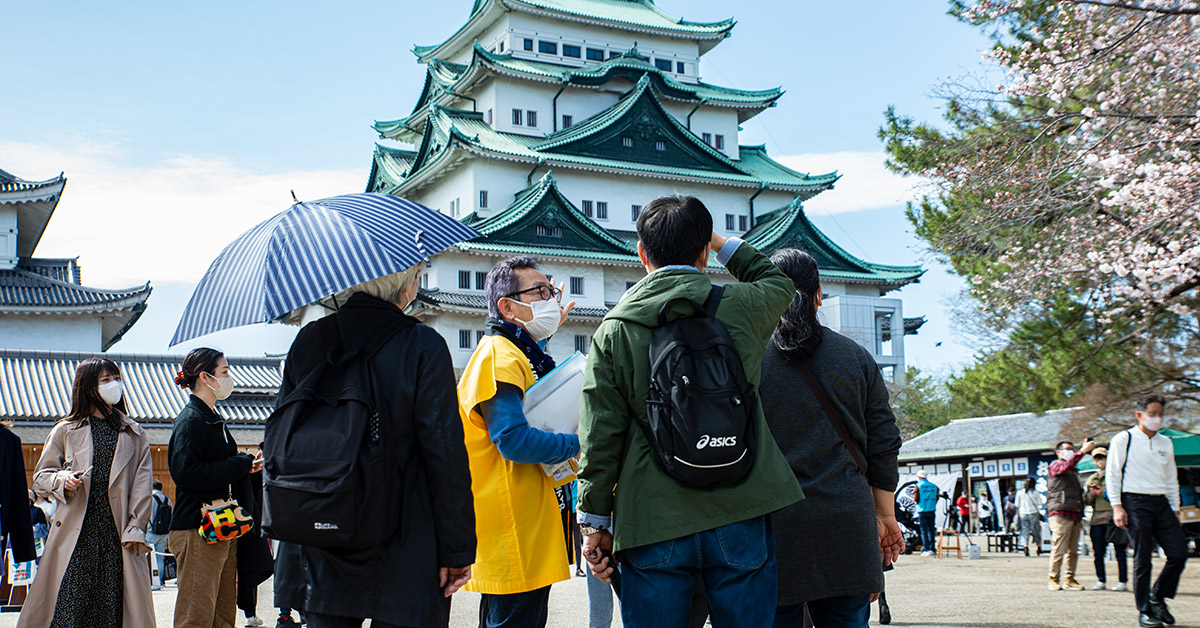
Start with Nagoya Castle, one of the city’s most recognizable landmarks. During cherry blossom season, the surrounding grounds become a popular place to enjoy the spring atmosphere.
You can also explore Atsuta Shrine, stroll through traditional shopping streets, or visit the historic district of Arimatsu to learn about its shibori textile heritage.
For a more hands-on experience, try making Japanese sweets, learn about matcha, or discover local sake and izakaya culture with a guide.
Our four recommended spring experiences are especially good options if you’d like to combine seasonal sightseeing with something more personal and memorable.
👉 Explore our Nagoya Castle Cherry Blossoms Tour or discover our Spring Limited Nagoya Sake Tasting & Izakaya Night Tour.
Ready to Explore Beyond Nagoya?
Venture beyond the city and discover the hidden gems of Central Japan. Join one of our carefully curated day tours or let us create a private adventure tailored to your interests and travel plans.
FAQ: Best Spring Day Trips from Nagoya

What are the best spring day trips from Nagoya?
Some of the best spring day trips include Magome & Tsumago, Gifu City, Gujo Hachiman, Inuyama, Shirakawago, and Mt. Horaiji. Each offers something different, from historic towns and mountain scenery to castle views, hiking, and traditional Japanese culture.
When is the best time to see cherry blossoms in Nagoya?
Cherry blossoms in Nagoya typically bloom from late March to early April, although the exact timing changes each year. Some mountain destinations bloom later because of their cooler temperatures and higher elevations.
Check the latest local forecasts before planning a trip specifically around cherry blossoms.
Can I take these spring day trips without renting a car?
Yes. All six destinations can be reached by public transportation, although travel times and connections vary. Some places require additional local bus journeys, so check schedules in advance.
A guided tour can be a convenient alternative if you prefer not to coordinate multiple transportation connections.
Can I visit Shirakawago as a day trip from Nagoya?
Yes. Shirakawago can be visited as a day trip by highway bus, although the journey takes around three hours each way. Booking transportation in advance and allowing enough time to explore the village will help you make the most of your visit.
Can I hike Magome-Tsumago in spring?
Yes. Spring is a popular time to walk the historic route between Magome and Tsumago. Temperatures are generally more comfortable for hiking than during the height of summer, and the surrounding countryside begins to turn green.
Wear comfortable shoes, check the weather, and allow enough time to complete the walk.
What is the best spring day trip from Nagoya for families?
Inuyama and Shirakawago are good choices for families interested in traditional Japanese architecture and local culture. Gifu City offers castle sightseeing and parks, while Gujo Hachiman has interesting waterways, historic streets, and opportunities to discover local crafts.
For families who prefer to stay in Nagoya, the Nerikiri and Matcha Experience offers a creative introduction to Japanese sweets and tea.
What should I wear for a spring day trip from Nagoya?
Light layers are usually a good choice. A jacket or sweater is useful for cooler mornings and evenings, especially in mountain destinations. Comfortable walking shoes are essential for historic streets and hiking trails, and a waterproof layer is helpful if rain is forecast.
Ready to Explore Beyond Nagoya?
Discover the best of Central Japan with a local guide. Join one of our guided day trips, or let us create a private tour tailored to your interests, travel dates, and preferred pace.
Did you enjoy this article?
Discover more travel tips and local stories on our Nagoya blog, and follow us on Instagram and Facebook for more inspiration. Visiting Nagoya? Share your adventures with #nagoyaisnotboring.