


Nagoya and the surrounding Aichi region are home to some of Japan’s most fascinating traditional crafts and cultural experiences. From centuries-old shibori tie-dyeing and pottery to ikebana flower arranging, Japanese sweets making, and tea ceremonies, there are plenty of ways to discover Japan’s creative traditions firsthand.
Whether you want to meet local artisans, make your own Japanese souvenir, or experience traditional culture beyond the usual sightseeing spots, these seven experiences offer a memorable introduction to Nagoya’s craftsmanship.
Many can be enjoyed throughout the year, with seasonal flowers, sweets, and historic neighborhoods making spring an especially beautiful time to explore.
So if you’re wanting to get in touch with your artistic side, keep reading for seven Japanese crafts and cultural experiences in Nagoya you can try today!
Article Contents
1. Arimatsu Shibori: Traditional Japanese Tie-Dye
Best for: Textile enthusiasts, creative travelers, and handmade souvenirs
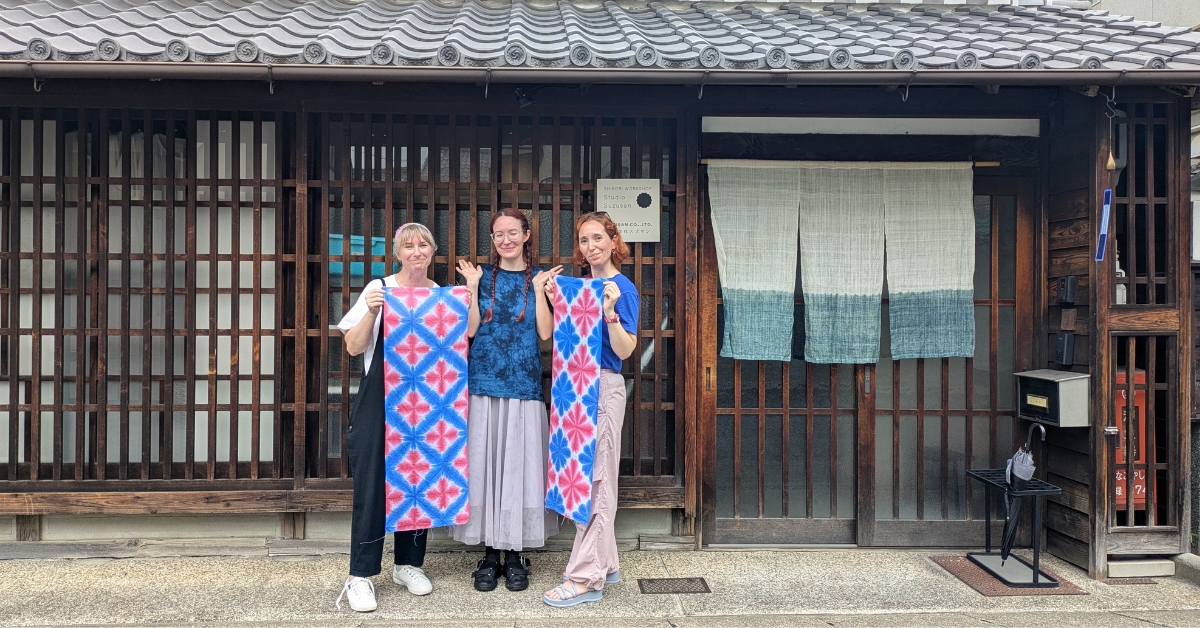
Arimatsu shibori is one of the most distinctive traditional Japanese crafts in the Nagoya area. This intricate textile-dyeing technique has been practiced for more than 400 years and remains an important part of the region’s cultural heritage.
The craft began in 1608, when Arimatsu was established along the Tokaido Road, a major historical route connecting Edo (modern-day Tokyo) with Kyoto. Local artisans developed shibori textiles to sell to travelers passing through the town, and the craft eventually became famous throughout Japan.
Shibori involves tying, folding, stitching, or compressing fabric before dyeing it to create intricate patterns. Each technique produces different designs, from geometric shapes to flowing waves and floral motifs. Indigo blue is particularly associated with traditional Japanese textiles, including yukata summer kimono.
Discover Arimatsu’s textile heritage
Arimatsu’s historic streets still feature traditional merchant houses and buildings connected to the textile industry. Walking through the neighborhood offers a glimpse into the town’s Edo-period history and the generations of artisans who developed its distinctive dyeing techniques.
For a hands-on experience, join our Arimatsu Shibori Tie-Dye & Heritage Walk. You’ll explore the historic district, learn about the history of Japanese shibori, visit the Arimatsu-Narumi Tie-Dyeing Museum, and try the craft yourself in an artisan workshop, creating your own piece of Japanese textile art.
Spring and Autumn are the most enjoyable times to explore Arimatsu on foot, with comfortable walking weather and seasonal scenery along its traditional streets.
Recommended for: Travelers interested in traditional Japanese textiles, local history, and creative workshops.

2. Ikebana: The Japanese Art of Flower Arrangement

Best for: Nature lovers, design enthusiasts, and travelers seeking a relaxing cultural activity
Ikebana is the traditional Japanese art of flower arrangement. Unlike arrangements that focus on displaying large quantities of flowers, ikebana emphasizes the relationship between flowers, branches, leaves, and space.
The tradition developed from Buddhist flower offerings and gradually became a sophisticated art form practiced by members of the samurai class and other influential groups. Over time, different schools of ikebana developed their own approaches to composition, balance, and the use of natural materials.
Today, ikebana remains an important part of Japanese culture, combining artistic expression with an appreciation for nature and the changing seasons.
Experience seasonal Japanese flower arrangement
Spring is an especially inspiring time for ikebana, with cherry blossoms, fresh greenery, and seasonal flowers providing beautiful materials for arrangements. The goal is not simply to create something colorful but to express the character of the season through shape, balance, and simplicity.
You can learn this traditional Japanese art through our Ikebana Flower Arrangement Class. With guidance from our local instructor, you’ll learn about ikebana’s cultural background.
It’s a memorable way to explore Japanese aesthetics while enjoying a hands-on cultural activity in Nagoya.
Recommended for: Flower lovers, photographers, and anyone interested in Japanese design and mindful creative experiences.

3. Nerikiri: Traditional Japanese Sweets as Edible Art
Best for: Food lovers, families, and travelers interested in Japanese confectionery
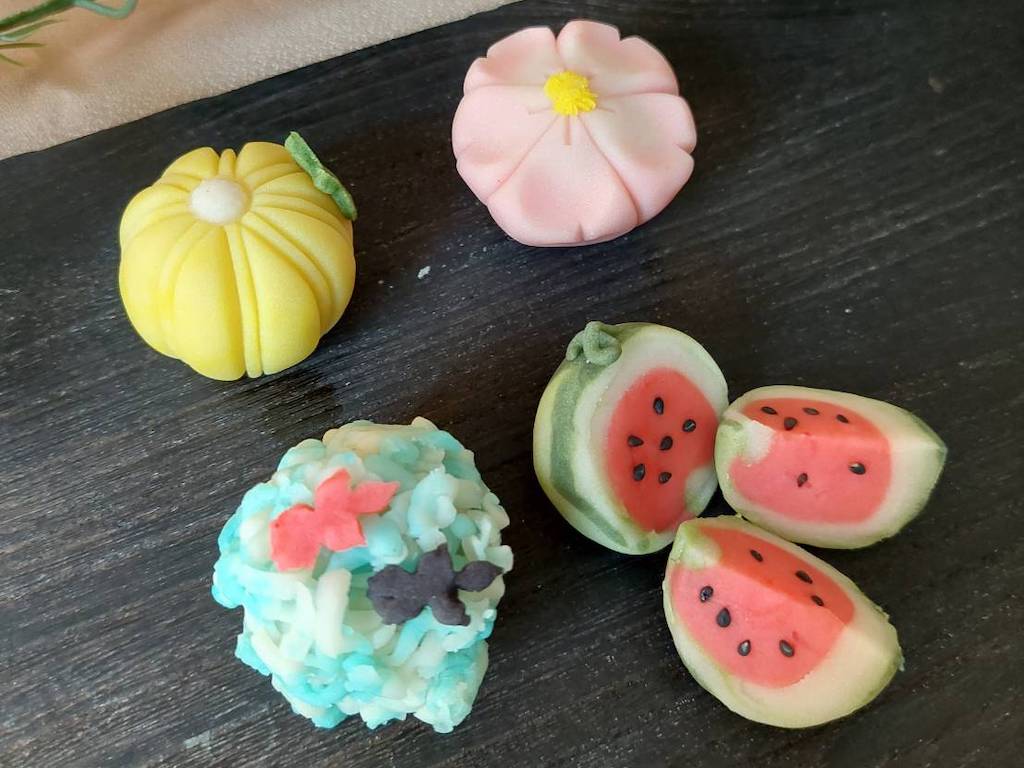
Japanese sweets are often as beautiful as they are delicious. Nerikiri, a traditional type of Japanese confectionery, is a perfect example of how food can become an art form.
Usually made from sweet white bean paste combined with a pliable dough, nerikiri is carefully shaped by hand into flowers, leaves, animals, and other decorative designs. These sweets are commonly served during the Japanese tea ceremony, where their sweetness complements the slightly bitter flavor of matcha.
Nerikiri is part of the wider tradition of wagashi, or Japanese sweets. Many wagashi designs reflect the season, making them an important expression of Japanese aesthetics and cultural appreciation for nature.
Make spring-inspired Japanese sweets
Spring is a wonderful season for nerikiri, as confectioners create designs inspired by cherry blossoms, spring flowers, and fresh greenery. These delicate sweets celebrate the beauty of the season and the Japanese tradition of appreciating fleeting natural beauty.
Try making your own through our Nerikiri and Matcha Experience. You’ll make five nerikiri sweets, exploring the seasonal designs and making a Nerikiri inspired by a famous landmark from your home country. before preparing matcha and enjoying one of your creations.
This experience combines traditional Japanese confectionery, food culture, and hands-on creativity in one memorable activity.
Recommended for: Dessert enthusiasts, families, and travelers looking for a delicious introduction to Japanese culture.

4. Japanese Tea Ceremony: The Art of Matcha and Hospitality
Best for: Culture enthusiasts, history lovers, and first-time visitors to Japan
The Japanese tea ceremony, known as chanoyu or chado, is a traditional practice centered on preparing and serving matcha. It brings together hospitality, aesthetics, etiquette, and mindfulness.
Tea drinking was introduced to Japan from China, and tea culture developed over many centuries. During the Muromachi and Azuchi-Momoyama periods, tea gatherings became particularly important among influential military leaders and cultural figures. Tea masters such as Sen no Rikyu helped shape the philosophy and aesthetics associated with the ceremony.
A traditional tea gathering involves much more than preparing a drink. The utensils, gestures of the host, arrangement of the room, and sweets served alongside the tea all contribute to the experience. Seasonal flowers and decorations may also reflect the time of year.
Experience a Japanese tea ceremony in Nagoya
Spring brings fresh greenery, seasonal flowers, and spring-inspired wagashi to Japanese tea culture. Participating in a tea ceremony is an opportunity to slow down and appreciate the attention given to even the smallest details.
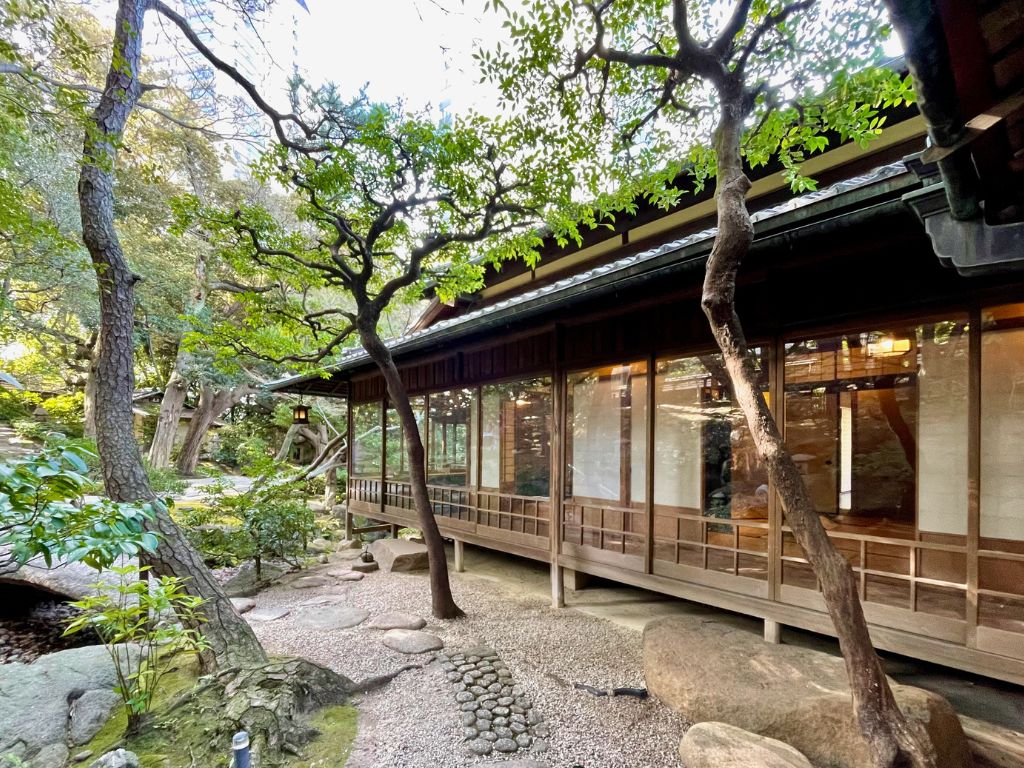
Our Tea Ceremony Experience in Nagoya introduces you to the history and etiquette of the tea ceremony in a traditional Japanese setting. You’ll explore a historic residence and garden before enjoying matcha and a Japanese sweet served by a tea ceremony master.
If you’d prefer to combine tea with local history and neighborhood exploration, our Private Nagoya Old Town Walking Tour takes you through historic Shikemichi and Endoji, with a guided tea tasting and Japanese sweets along the way.
Recommended for: Travelers who want to learn about Japanese hospitality, traditional etiquette, and the cultural significance of matcha.

5. Tokoname Pottery: One of Japan’s Six Ancient Kilns

Best for: Pottery lovers, design enthusiasts, and travelers interested in traditional Japanese ceramics
Located in Aichi Prefecture, Tokoname is one of Japan’s most important pottery towns. Its ceramic tradition dates back to the Heian period (794–1185), making it one of the country’s Six Ancient Kilns.
Tokoname became famous for its durable ceramic vessels, storage containers, and teapots. The region’s distinctive reddish clay gives many Tokoname-yaki pieces their characteristic appearance.
Pottery production shaped the town’s development over centuries, creating a landscape of kilns, workshops, and ceramic businesses. Today, Tokoname continues to celebrate its pottery heritage through local studios, shops, and historic walking routes.
Walk the Tokoname Pottery Path
The Tokoname Pottery Footpath winds through a historic district filled with pottery shops, traditional buildings, old kilns, and walls incorporating discarded ceramic pipes and vessels. These features reveal how deeply pottery production influenced the town’s everyday life.
Spring is a pleasant time to explore the area on foot, browse handmade ceramics, and discover the relationship between traditional craftsmanship and modern design.
Join our Tokoname Pottery Path Walking Tour to explore the historic pottery district with a local guide. You’ll discover landmarks such as Dokanzaka Slope and a traditional climbing kiln, visit a working pottery studio, and take part in a pottery workshop.
It’s an excellent day trip from Nagoya for anyone interested in Japanese ceramics and traditional manufacturing.
Recommended for: Ceramic collectors, photographers, and travelers who enjoy exploring historic towns.

6. Gujo Hachiman: Crafts and Cultural Experiences

Best for: Families, craft enthusiasts, and travelers looking for a day trip from Nagoya
Ever wondered how Japanese restaurants create those incredibly realistic plastic food displays? In Gujo Hachiman, you can discover the craftsmanship behind Japanese food replicas and try making your own during a hands-on workshop.
Although Gujo Hachiman is located in neighboring Gifu Prefecture, it makes a rewarding day trip for visitors interested in traditional Japanese crafts and regional culture.
This historic castle town is known for its waterways, preserved streets, and strong community traditions. Its cultural heritage includes Gujo Odori, a traditional dance festival that has been celebrated for more than 400 years.
Gujo Hachiman is also associated with several distinctive crafts, including handmade geta sandals, textile-related activities, and sampuru, the realistic plastic food replicas displayed outside many Japanese restaurants.
Producing these food replicas requires considerable skill. Artisans recreate the colors, shapes, and textures of Japanese dishes, from tempura to noodles, making the finished pieces surprisingly lifelike.
Try a traditional craft in Gujo Hachiman
Spring is a lovely time to stroll through Gujo Hachiman’s historic streets and along its canals before the summer festival season begins.
Our Gujo Hachiman Day Tour from Nagoya introduces you to the town’s history and cultural traditions. Depending on the workshop option, you can try printing a traditional tenugui hand towel or making a Japanese food replica.
It’s a fun way to discover the creative skills and local customs that make this small town unique.
Recommended for: Families, returning visitors to Japan, and travelers interested in unusual hands-on activities.
7. Discover Nagoya’s Historic Craft and Merchant Districts

Best for: History enthusiasts, architecture lovers, and first-time visitors to Nagoya
Nagoya’s history as a political and commercial center helped establish a strong tradition of craftsmanship throughout the region.
During the Edo period (1603–1868), the Owari Tokugawa family ruled the area, and Nagoya Castle became an important center of political and cultural life. Skilled craftspeople and merchants supported the city’s development, contributing to traditions in ceramics, textiles, metalworking, woodworking, and decorative arts.
Although modern Nagoya is widely known for manufacturing and technology, its historic neighborhoods still reveal traces of the city’s commercial past.
Explore Nagoya’s old town with a local guide
The Shikemichi district features traditional merchant houses and storehouses that recall Nagoya’s history as a trading center. Nearby, the Endoji shopping arcade offers a glimpse of local shopping culture and the neighborhood businesses that continue to serve the community.
Exploring these areas helps put traditional Japanese crafts into context, revealing the historic streets and commercial networks that supported artisans and their work.
Our Private Nagoya Old Town Walking Tour takes you through historic streets, local shrines, and the Endoji area with a knowledgeable guide. The tour also includes a guided tea tasting and Japanese sweets, making it a great introduction to Nagoya’s history and everyday culture.
Recommended for: First-time visitors, history lovers, and travelers who want to explore Nagoya beyond its major attractions.

Which Japanese Craft Experience Should You Try?
If you’re planning a spring trip to Nagoya, choose a craft experience that matches your interests.
Regional crafts and hands-on workshops: Gujo Hachiman Day Tour from Nagoya
Traditional Japanese textiles: Arimatsu Shibori Tie-Dye & Heritage Walk
Japanese flower arrangement: Ikebana Flower Arrangement Class
Japanese sweets and matcha: Nerikiri and Matcha Experience
Traditional tea culture: Tea Ceremony Experience in Nagoya
Japanese pottery and ceramics: Tokoname Pottery Path Walking Tour
Historic neighborhoods and local culture: Private Nagoya Old Town Walking Tour
Before You Book

Can beginners participate?
Yes, all our hands-on workshops and tours are beginner-friendly and include step-by-step guidance from local instructors and guides.
Are workshops available in English?
Yes, all tours and workshops are conducted in fluent English by our local guides and hosts.
Can children join?
Yes, children are welcome to participate in our experiences, making them great activities for families.
How much time should I allow?
Workshop durations range from 2 to 3.5 hours for local experiences, while day trips take approximately 8 to 9 hours.
Can I take my creation home?
Yes, for hands-on workshops such as Arimatsu Shibori, you can take your crafted item home on the same day.
Do I need to book in advance?
Advance booking is required to confirm instructor and artisan availability for your preferred date and time.
Ready to Discover Japanese Craftsmanship?
Go beyond sightseeing and experience Nagoya’s creative traditions firsthand. Join one of our hands-on craft and cultural experiences, or let us help arrange a private tour tailored to your interests.
Frequently Asked Questions About Japanese Crafts in Nagoya

1. What traditional Japanese crafts can you experience in Nagoya?
Nagoya and the surrounding region offer a variety of traditional crafts and cultural activities, including Arimatsu shibori tie-dyeing, ikebana flower arrangement, nerikiri sweet-making, Japanese tea ceremony, and pottery in Tokoname. Nearby Gujo Hachiman also offers traditional craft workshops and opportunities to learn about regional culture.
2. Where can I try a traditional Japanese craft in Nagoya?
You can participate in traditional Japanese craft experiences through guided workshops and cultural tours. Options include making your own shibori textile in Arimatsu, creating a seasonal ikebana arrangement, shaping nerikiri sweets, and exploring pottery traditions in Tokoname. These activities provide an opportunity to learn directly about Japanese craftsmanship and its history.
3. Is spring a good time to experience traditional Japanese crafts?
Yes. Spring offers comfortable weather for exploring historic districts and pottery towns on foot. It is also a particularly inspiring season for crafts associated with nature, including ikebana flower arrangement and nerikiri sweets featuring cherry blossoms and other seasonal designs. Many craft experiences are enjoyable throughout the year, too.
4. Can I make my own Japanese crafts during a workshop?
Yes. Several experiences in the Nagoya area include hands-on activities. Depending on the tour, you may create a shibori-dyed textile, arrange flowers using ikebana techniques, make traditional Japanese sweets, or participate in a pottery workshop. Check the individual tour descriptions for the specific activities included.
5. What traditional craft towns can I visit on a day trip from Nagoya?
Tokoname is a popular destination for discovering traditional Japanese pottery, with historic kilns, ceramic shops, and a pottery walking route. Arimatsu is known for its centuries-old shibori textile tradition, while Gujo Hachiman in Gifu Prefecture offers historic streets, waterways, and hands-on craft activities. All three make rewarding additions to a Nagoya itinerary.
Discover Traditional Japanese Crafts with Nagoya is not boring
From centuries-old textile techniques to seasonal Japanese sweets and traditional pottery, Nagoya offers plenty of ways to experience Japan’s craftsmanship firsthand. Add a hands-on workshop or guided cultural tour to your spring itinerary to discover the history, creativity, and local traditions behind these remarkable arts.
Enjoyed This Article?
Discover more travel tips and local stories on our Nagoya blog, and follow us on Instagram and Facebook for more inspiration. Visiting Nagoya? Share your adventures with #nagoyaisnotboring.