

Every summer, millions of people across Japan return to their hometowns, gather with family, visit ancestral graves, and dance beneath glowing lanterns. Trains fill up, highways become congested, and cities take on a quieter atmosphere as one of the country’s most meaningful holidays begins.
Known as Obon, this centuries-old Buddhist tradition is a time to honor the spirits of deceased family members. While it isn’t an official national holiday, it is one of Japan’s busiest travel seasons and one of its most culturally significant annual events.
For visitors, Obon offers a unique opportunity to experience Japanese traditions that have been passed down for generations. From lively Bon Odori dances to beautifully illuminated temples and rivers dotted with floating lanterns, it’s a season filled with both celebration and remembrance.
If you’re planning a trip to Nagoya during Obon, or simply want to learn more about this beloved Japanese tradition, here’s everything you need to know.
Article Contents
What Is Obon?
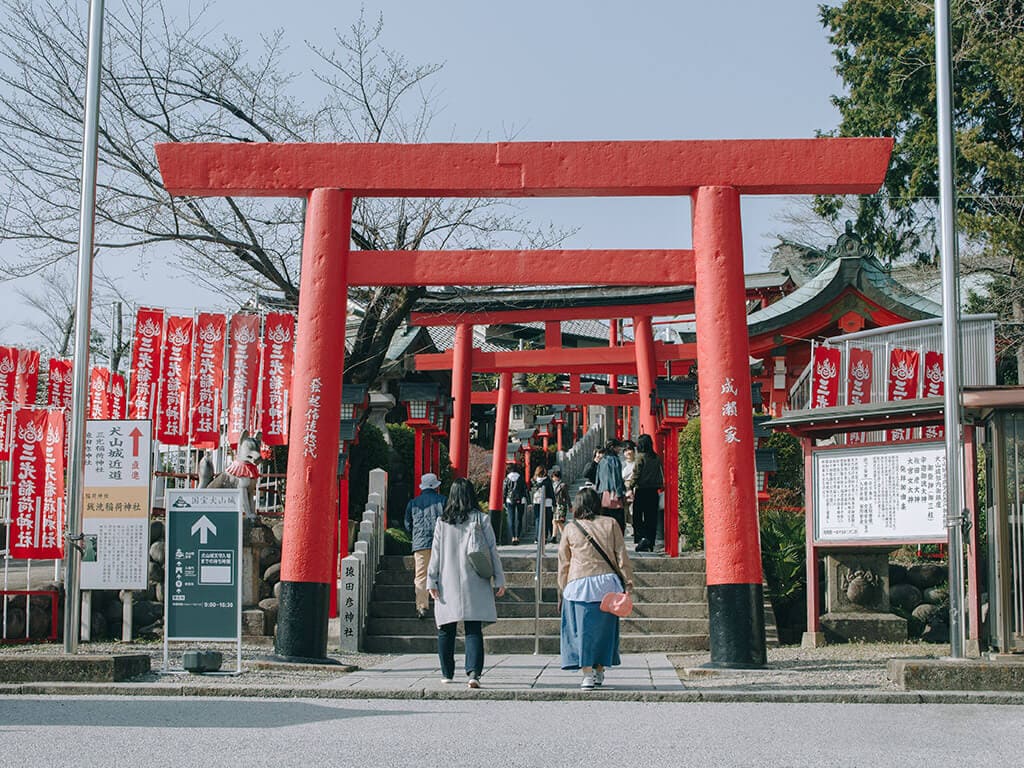
Obon is a Japanese Buddhist festival dedicated to honoring the spirits of ancestors. According to tradition, the spirits of deceased relatives return to visit their families for a few days each summer before returning to the afterlife.
Families welcome these spirits home by cleaning graves, making offerings of food and flowers, lighting lanterns to guide their ancestors, and gathering together for meals and prayers. Communities across Japan also hold Bon Odori (Bon dances), which have become one of the festival’s most recognizable traditions.
Although Obon has religious roots, it is celebrated by many Japanese families regardless of how religious they consider themselves. Today, it is as much about reconnecting with family and remembering loved ones as it is about Buddhist customs.
When Is Obon?
Unlike many holidays, Obon doesn’t fall on the same dates throughout Japan.
Most regions, including Nagoya and much of central Japan, celebrate Obon from August 13 to 16.
However, you’ll also find:
- July 13–16 (Shichigatsu Bon): Observed in parts of Tokyo and eastern Japan.
- Mid-August (Hachigatsu Bon): The most common celebration across Japan.
- Lunar Obon: Celebrated in some rural areas according to the traditional lunar calendar, usually in late August or early September.
If you’re visiting Nagoya, expect most Obon-related events and family gatherings to take place around August 13–16.
The History and Origins of Obon
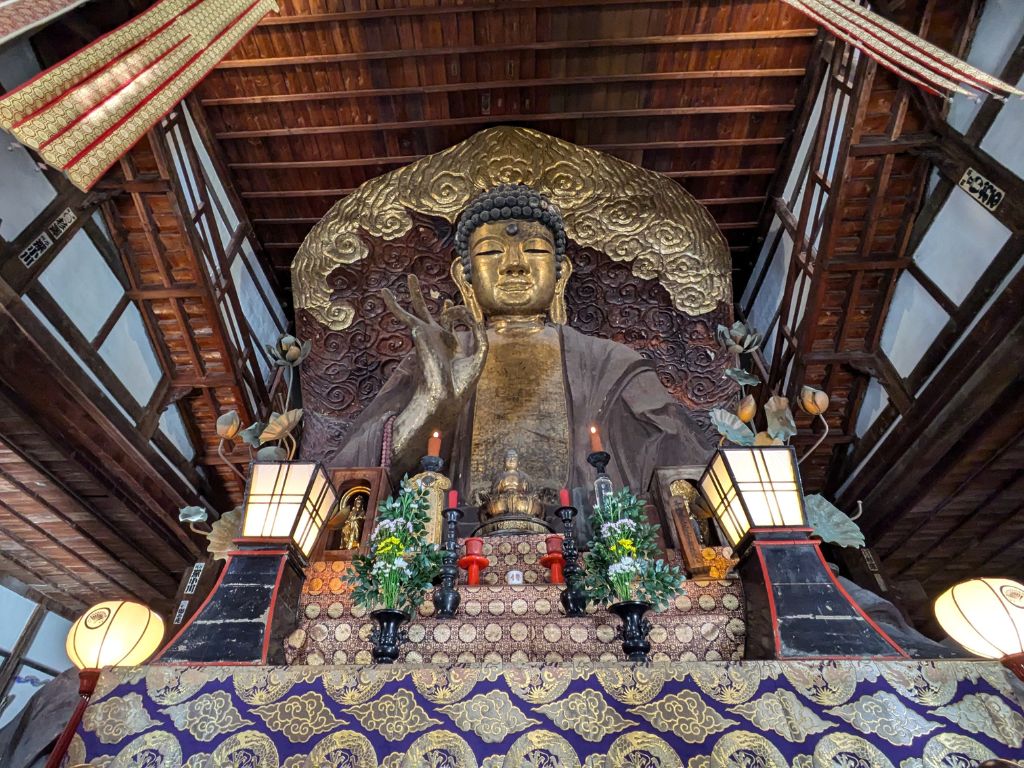
Obon traces its origins back more than 1,300 years and combines Buddhist teachings with older Japanese beliefs about honoring ancestors.
The festival is inspired by the Buddhist story of Mokuren (known as Maudgalyayana in Sanskrit), one of Buddha’s disciples. According to legend, Mokuren discovered that his deceased mother had fallen into the Realm of Hungry Ghosts because of her selfish actions during life.
Seeking a way to save her, he asked Buddha for guidance. Buddha instructed him to make offerings to monks at the end of their summer retreat. After following this advice, Mokuren’s mother was released from her suffering.
Filled with gratitude, Mokuren danced with joy: an event said to have inspired today’s Bon Odori dances.
As Buddhism spread throughout Japan during the 7th century, this story merged with Shinto traditions that emphasized respect for ancestors. Over the centuries, Obon evolved into a uniquely Japanese festival centered on family reunions, remembrance, and community celebrations.
Why Is Obon So Important?
Obon is often compared to holidays like Thanksgiving, Día de los Muertos, or All Souls’ Day, but it has its own uniquely Japanese character.
Rather than focusing on mourning, Obon celebrates the continuing connection between generations.
For many families, it is the only time of year when everyone returns to their hometown. Working adults and college students travel back home from the city to see their parents, grandparents reunite with grandchildren, and extended families gather to share meals and honor those who came before them.
It’s also one of Japan’s largest annual travel periods, rivaling New Year’s and Golden Week. Airports, bullet trains, and expressways become exceptionally busy as millions of people head home.
How to Enjoy Nagoya as a Solo Traveler
Obon Traditions You Should Know
Although customs vary by region, many Japanese families observe similar traditions throughout Obon.
Visiting Family Graves
One of the most important Obon traditions is ohakamairi, the practice of visiting family graves.
Families clean gravestones, remove weeds, wash the stone with water, and decorate it with fresh flowers. Incense is burned, prayers are offered, and loved ones often spend time quietly remembering family members who have passed away.
Welcoming Ancestors Home
Many households prepare a small altar filled with seasonal fruits, vegetables, rice, sweets, incense, and flowers.
Special lanterns are lit to guide ancestral spirits home, symbolizing that family members are welcomed back for their annual visit.
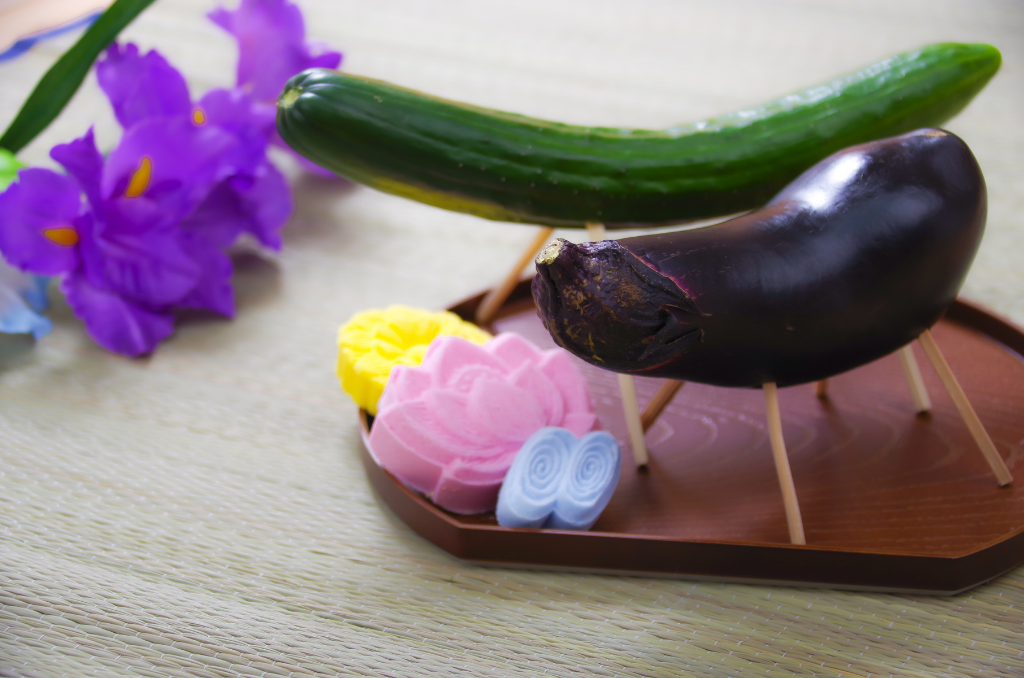
One of the festival’s most charming traditions is the creation of tiny animals made from vegetables.
A cucumber decorated with wooden legs represents a horse, allowing spirits to return home quickly, while an eggplant cow symbolizes a slow, peaceful journey back to the spirit world, carrying offerings.
Bon Odori Dancing
Bon Odori is perhaps the most recognizable part of Obon for visitors.
Communities gather in parks, temple grounds, schoolyards, and public squares to dance in circles around a raised platform called a yagura. Traditional music is performed live or played through speakers while dancers repeat simple choreographed movements.
Each region has its own style of Bon Odori, with different songs, costumes, and dance steps.
Lantern Ceremonies
Light plays an important role throughout Obon.
Families use lanterns to guide ancestral spirits home at the beginning of the festival and to send them back at its conclusion.
In some parts of Japan, rivers and lakes are illuminated with floating lanterns during ceremonies known as tōrō nagashi.
Watching dozens (or even hundreds) of glowing lanterns drift quietly across the water creates one of Japan’s most memorable summer scenes.
Summer Festival Food
Like many Japanese festivals, Obon celebrations often include food stalls serving classic festival snacks.
These lively food stalls give many Bon Odori festivals the relaxed atmosphere of a neighborhood summer fair.
What Can Visitors Expect in Nagoya During Obon?
Obon is one of the busiest travel seasons in Japan, so visiting Nagoya in mid-August feels a little different from other times of the year.
While major attractions remain open, many local businesses, family-owned restaurants, and smaller shops may close for several days as owners travel home to celebrate with relatives.
At the same time, parks, temples, shopping districts, and community centers often come alive with Bon Odori festivals and seasonal events.
Even if you don’t have family in Japan, it’s easy to appreciate the festive atmosphere. You’ll see people wearing colorful yukata, children playing traditional festival games, and neighborhoods decorated with lanterns as music fills the warm summer evenings.
Do keep in mind that transportation can be extremely busy during this period. If you’re planning to travel by Shinkansen or make long-distance journeys before or after visiting Nagoya, it’s wise to reserve seats well in advance.
For many travelers, however, experiencing Obon is well worth the extra planning. It offers a glimpse into everyday Japanese traditions that few visitors get to see.
How to Celebrate Obon in Nagoya
Whether you’re visiting Nagoya for the first time or already call the city home, Obon is a wonderful opportunity to experience one of Japan’s most treasured traditions. While many locals spend the holiday visiting relatives in their hometowns, there are still plenty of ways to take part in the season’s festivities around the city.
Join a Bon Odori Festival
If there’s one Obon experience you shouldn’t miss, it’s a Bon Odori festival.
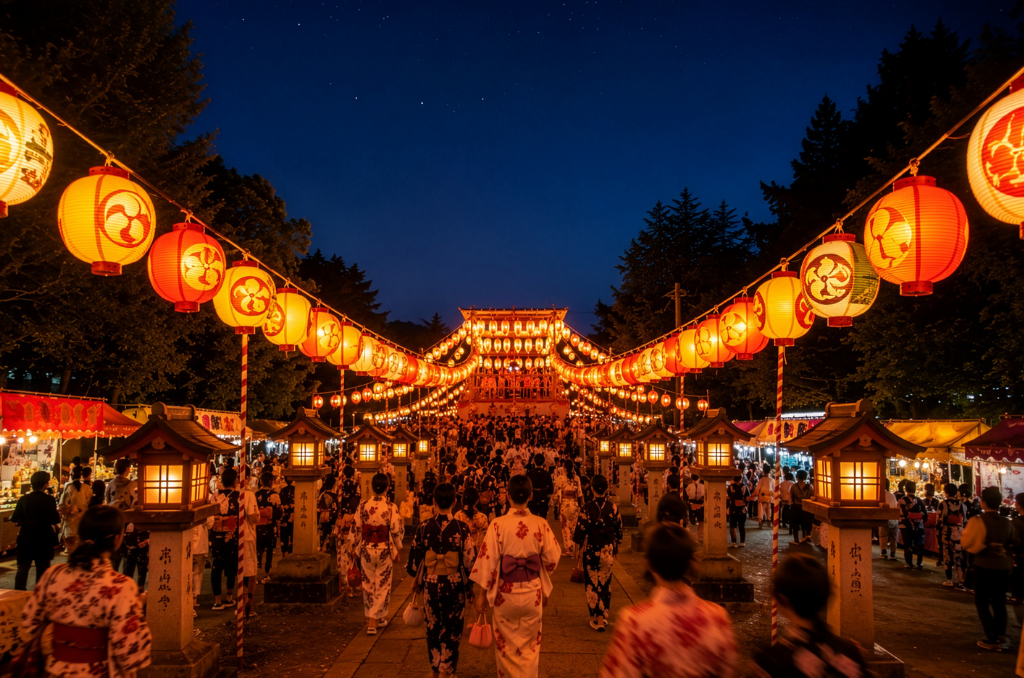
Throughout Nagoya and Aichi Prefecture, neighborhood parks, temples, shrines, and community centers host evening dance festivals during the Obon period. A raised platform (known as a yagura) stands at the center while dancers circle around it to traditional songs accompanied by drums and folk music.
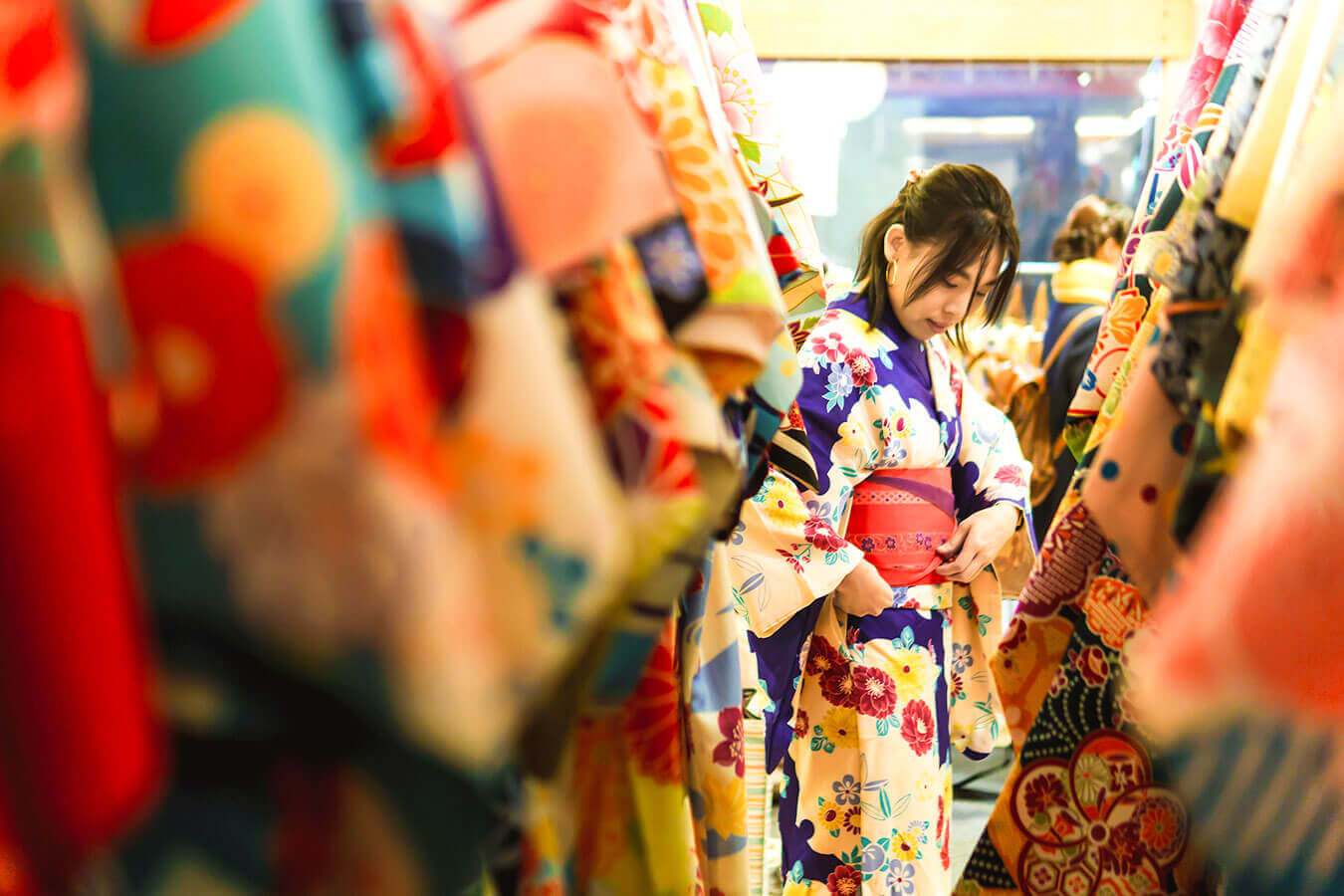
Many people also wear yukata, lightweight cotton summer kimono, adding to the festive atmosphere. If you’ve been thinking about renting a yukata during your trip, Obon is one of the best occasions to wear one.
Don’t worry if you’ve never danced before: the movements are intentionally repetitive and easy to follow. Most festivals welcome anyone who wants to join, making Bon Odori one of the most accessible Japanese cultural experiences for visitors.
Feeling intimidated? Attend the Gujo Hachiman Bon Odori Festival with one of our expert guides who will help you seamlessly integrate into the festivities!
Visit a Temple or Cemetery Respectfully
Obon is first and foremost a time of remembrance.
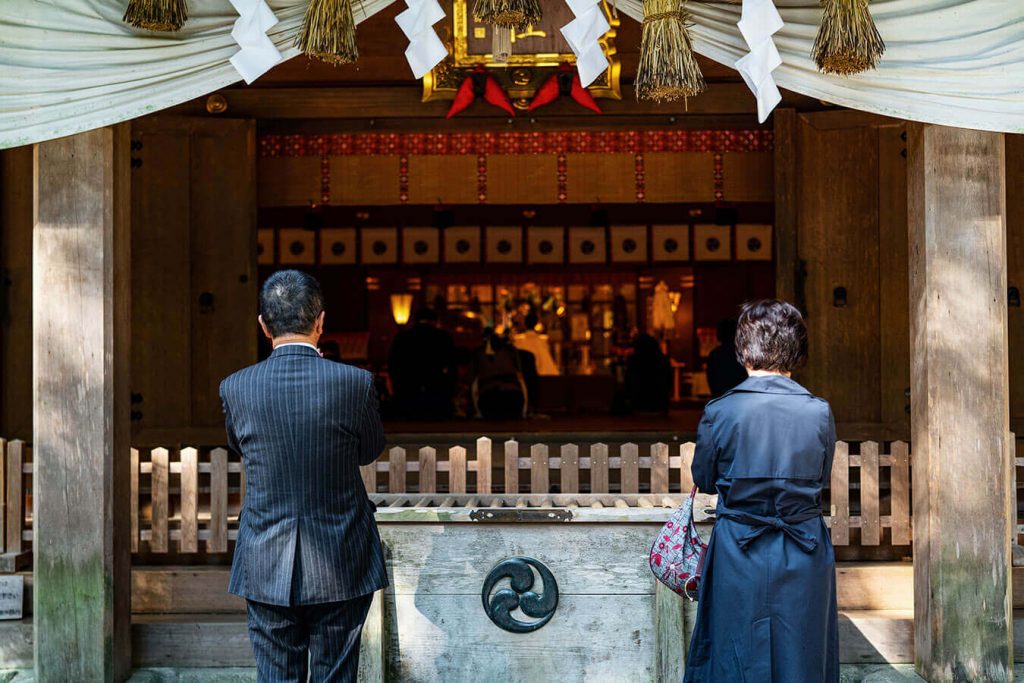
If you visit one of Nagoya’s temples or cemeteries during the holiday, you’ll likely see local families cleaning graves, offering flowers, burning incense, and quietly paying their respects.
Visitors are welcome to observe these traditions, but it’s important to remain respectful. Keep voices low, avoid interrupting ceremonies, and ask permission before photographing people participating in religious rituals.
Many temples become beautifully decorated with lanterns during Obon, creating a peaceful atmosphere that’s especially memorable in the evening.
Look for Lantern Displays
While Nagoya doesn’t have a single citywide lantern ceremony like some other parts of Japan, many temples, parks, and community events feature decorative lanterns throughout the holiday.
The soft glow of paper lanterns after sunset is one of Obon’s most recognizable sights and perfectly captures the reflective spirit of the season.
Enjoy Seasonal Festival Food
No Japanese summer festival is complete without delicious street food.
If you’re attending a Bon Odori event in Nagoya, keep an eye out for rows of food stalls selling local favorites such as:
- Yakisoba
- Takoyaki
- Yakitori
- Grilled corn
- Kakigōri (shaved ice)
- Chocolate bananas
- Candied apples
- Freshly grilled seafood
Eating while listening to festival music and watching dancers circle the yagura is one of the simplest and most enjoyable ways to experience Obon like a local.
Explore Nagoya’s Summer Atmosphere
Obon has a different pace from other holidays.
Business districts may feel quieter during the daytime as many offices close, while evenings become lively with neighborhood festivals and family gatherings. Parks fill with children in yukata, local musicians perform traditional songs, and fireworks sometimes accompany community celebrations.
Rather than rushing from attraction to attraction, Obon is an ideal time to slow down and enjoy Nagoya’s local neighborhoods.

Tips for Visiting Nagoya During Obon
Obon is one of Japan’s busiest travel seasons, so a little preparation goes a long way.
If you’re planning to visit Nagoya in mid-August, keep these tips in mind:
- Book accommodation early. Hotels can fill quickly as domestic tourism increases.
- Reserve Shinkansen seats in advance. Trains between major cities are often fully booked during peak travel days.
- Check attraction opening hours. Some museums, restaurants, and independent shops may close for part of the holiday.
- Carry cash. Smaller festival food stalls and neighborhood events may not accept credit cards.
- Dress for the weather. August in Nagoya is typically hot and humid, so lightweight clothing, sunscreen, and plenty of water are essential.
- Be respectful. Remember that Obon is a religious and family holiday. While festivals are lively, many ceremonies are quiet occasions for remembrance.
Planning ahead allows you to enjoy both the celebratory and reflective sides of this special season.
Experience One of Japan’s Most Meaningful Traditions
Obon is far more than a summer festival. It’s a celebration of family, gratitude, remembrance, and community that has been passed down through generations for more than a thousand years.
Whether you’re dancing at a Bon Odori festival, admiring lantern-lit temple grounds, enjoying street food with locals, or simply taking a quiet moment to reflect on those who came before you, Obon offers a deeper understanding of Japanese culture than many travelers expect.
If you’re lucky enough to visit Nagoya during Obon, embrace the slower pace, join in the festivities, and experience a holiday that continues to bring families and communities together every summer.
Frequently Asked Questions About Obon
1. What is Obon in Japan?
Obon is a traditional Japanese Buddhist festival that honors the spirits of ancestors. Families gather to visit graves, make offerings, light lanterns, and celebrate with Bon Odori dances, believing that their loved ones’ spirits return home for a brief visit each summer.
2. When is Obon celebrated in Japan?
Most of Japan, including Nagoya, celebrates Obon from August 13 to 16. Some regions observe the festival in July, while a few communities follow the lunar calendar and celebrate later in the summer.
3. Is Obon a good time to visit Nagoya?
Yes, especially if you’re interested in Japanese culture. Visitors can enjoy Bon Odori festivals, seasonal food stalls, and traditional summer events. However, it’s also one of Japan’s busiest travel periods, so hotels and transportation should be booked well in advance.
4. Can tourists participate in Bon Odori?
Absolutely. Most Bon Odori festivals are open to everyone, and visitors are encouraged to join the dances after watching for a few minutes. Wearing a yukata is optional but can make the experience even more memorable.
5. What should I do during Obon if I’m not in Japan?
You can celebrate Obon anywhere by remembering loved ones, sharing a family meal, lighting a lantern or candle, learning a Bon Odori dance, or attending a Japanese cultural festival in your local community. The spirit of Obon is about gratitude, remembrance, and bringing people together, wherever you are.
Did you enjoy this article?
Make sure to also check our other posts about Nagoya and trust us if we say Nagoya is not boring!
Be sure to follow us on Facebook for new articles every week, and see our Instagram for pictures and stories about Nagoya!
Tag us
Have any plans for Obon? If so, please share them and tag us on social media with #nagoyaisnotboring