

Article Contents
Why Fermentation Matters in Japan (and Aichi)
If you want to understand Japanese food culture, fermentation is one of the best places to start.
Across Japan, fermentation is more than just a cooking technique, it’s a tradition that has shaped the way people eat for centuries. From savory miso soups to delicate soy sauces and rice-based drinks, fermentation transforms simple ingredients into complex flavors that define Japanese cuisine.
But fermentation in Japan isn’t only about flavor. Historically, it helped preserve food before refrigeration existed. It also adds depth, nutrition, and balance to everyday meals.
And when it comes to fermented foods, one region stands out above the rest: Aichi Prefecture, home to the city of Nagoya.
Aichi is widely considered one of Japan’s fermentation heartlands. Here, local producers have spent generations perfecting traditional methods for miso, soy sauce, mirin, and sake. The result is a regional cuisine known for its bold, rich flavors that makes Nagoya’s food culture uniquely memorable.
Why Aichi Prefecture Is Japan’s Fermentation Capital

So why did fermentation traditions become so strong in Aichi?
Several historical and environmental factors helped shape the region’s food culture.
Climate
Aichi’s climate of humid summers and cool winters creates ideal conditions for slow fermentation. Many products here mature for longer than in other regions, which allows deeper and more complex flavors to develop.
Samurai Culture
Historically, Aichi was the home region of famous samurai like Tokugawa Ieyasu, one of the founders of the Tokugawa shogunate.
Samurai households needed foods that could be stored for long periods, especially during travel or military campaigns. Fermented foods like miso and soy sauce were nutritious, durable, and easy to preserve.
Merchant Culture in Nagoya
Nagoya also developed into a powerful merchant city during the Edo period. Local producers refined fermentation techniques and built large-scale breweries, turning traditional preservation methods into a booming industry.
Aichi’s Unique Long Fermentation
One of the most distinctive features of Aichi fermentation is fermentation time.
Many regional products, especially Hatcho miso, are fermented for two to three years, far longer than typical Japanese miso. This extended process creates stronger aromas, deeper color, and intense umami.
For visitors, this translates into something Nagoya is famous for: bold, unforgettable flavors.

Key Fermented Foods of Nagoya & Aichi
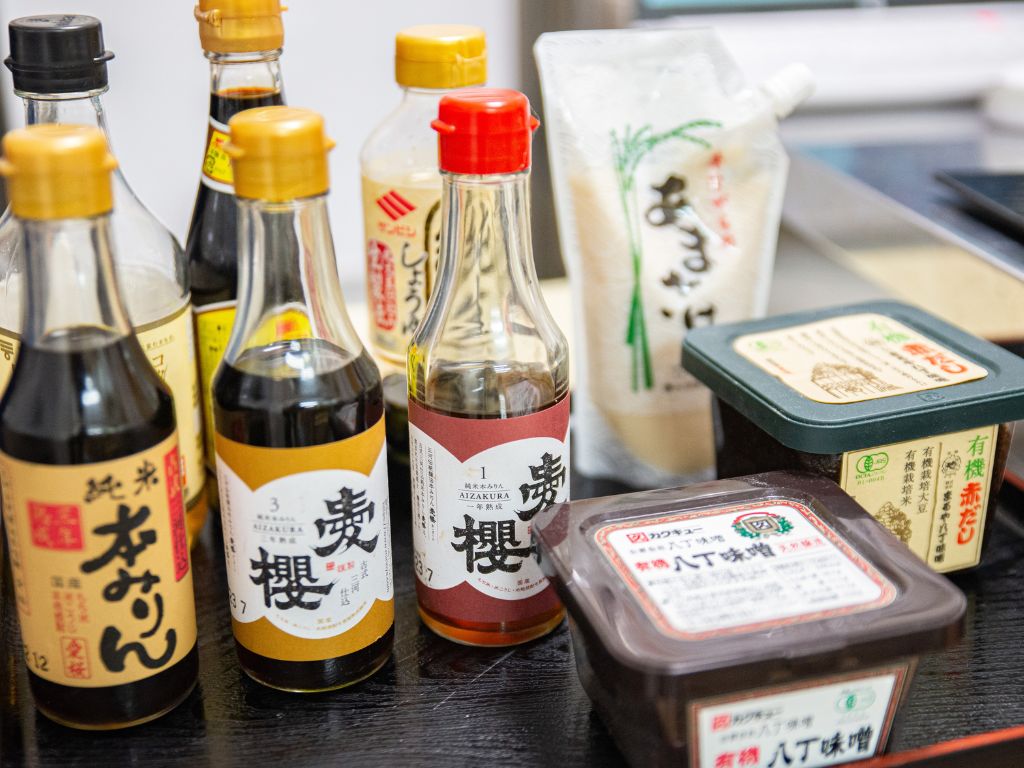
Nagoya’s cuisine is deeply tied to its fermented ingredients. Here are some of the most important ones to know (and taste).
Hatcho Miso (Nagoya’s Signature Flavor)
Hatcho miso is the most iconic fermented product from Aichi.
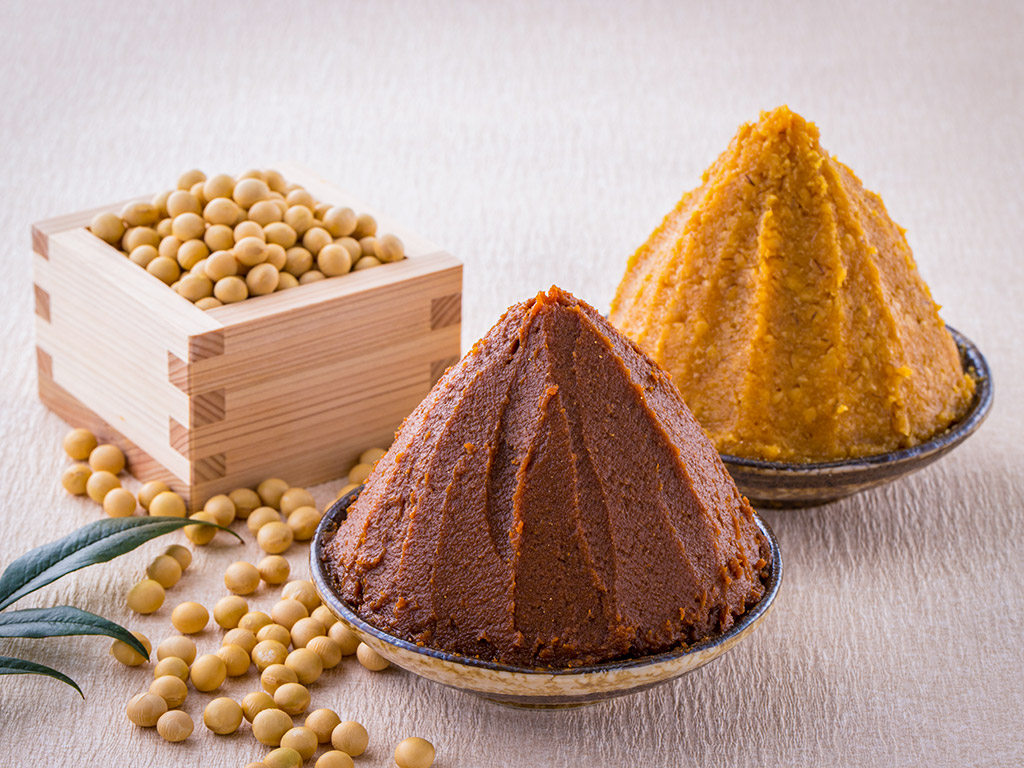
Made from soybeans, salt, and water, it’s aged in large cedar barrels for two to three years under heavy stone weights. Unlike many other misos, it contains no rice or barley.
The result is a miso that is darker, richer and more concentrated, and slightly bitter while being deeply savory.
Compared to lighter varieties like Shiro Miso (white miso), Hatcho miso has a far stronger and more complex taste.
Travelers visiting Nagoya will encounter it in several famous local dishes:
- Miso katsu – crispy pork cutlet topped with thick miso sauce
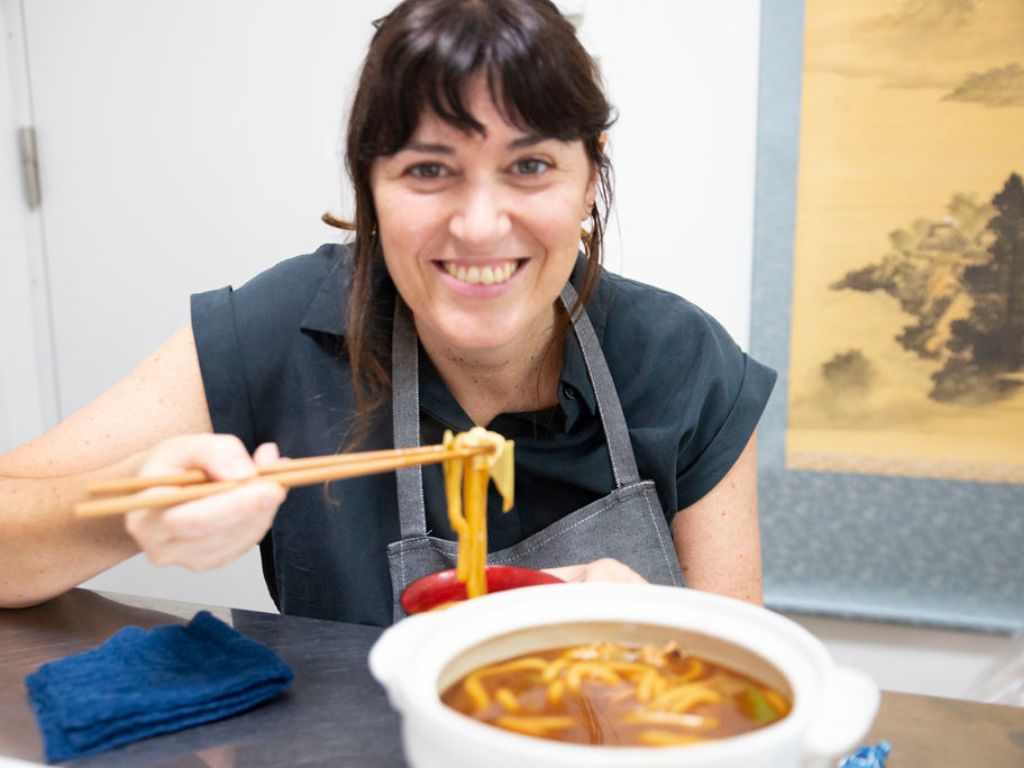
- Miso-nikomi udon – hearty noodle soup simmered in miso broth
- Miso oden – slow-cooked ingredients coated in a rich miso glaze
If Nagoya cuisine has a signature taste, Hatcho miso is at its heart.
Tamari Soy Sauce (Aichi’s Hidden Star)
While most people know Japanese soy sauce, fewer are familiar with tamari, a specialty from Aichi.
Tamari is made primarily from soybeans with very little wheat, which gives it a thicker texture and richer flavor than regular soy sauce like Koikuchi Shoyu.
Key differences include a deeper umami flavor, darker color, and thicker consistency.
Because of its minimal wheat content, tamari is also often considered more gluten-friendly, which has made it increasingly popular among health-conscious travelers.
In Japanese cooking, tamari is commonly used for sashimi dipping sauces, grilled dishes, and simmered foods.
Its bold flavor pairs especially well with the punchy tastes of Nagoya’s cuisine.
Mirin (Sweet Rice Wine from Aichi)
Many people know mirin as a sweet cooking ingredient used in Japanese recipes, but few realize that authentic mirin originated in Aichi.
Traditional mirin is made from rice, rice koji, and distilled alcohol, then aged slowly to develop a gentle sweetness and complex aroma.
Real mirin differs from many supermarket versions in its natural sweetness from the fermentation process, deeper flavor, and smoother finish.
In Japanese cooking, mirin isn’t just for sweetness, however. It also adds balance, shine, and umami to dishes like teriyaki sauce, simmered vegetables, and grilled fish.
Once you taste real mirin, it’s easy to understand why chefs value it so highly.
Sake & Fermented Drinks in Aichi
Fermentation culture in Aichi extends beyond seasonings.
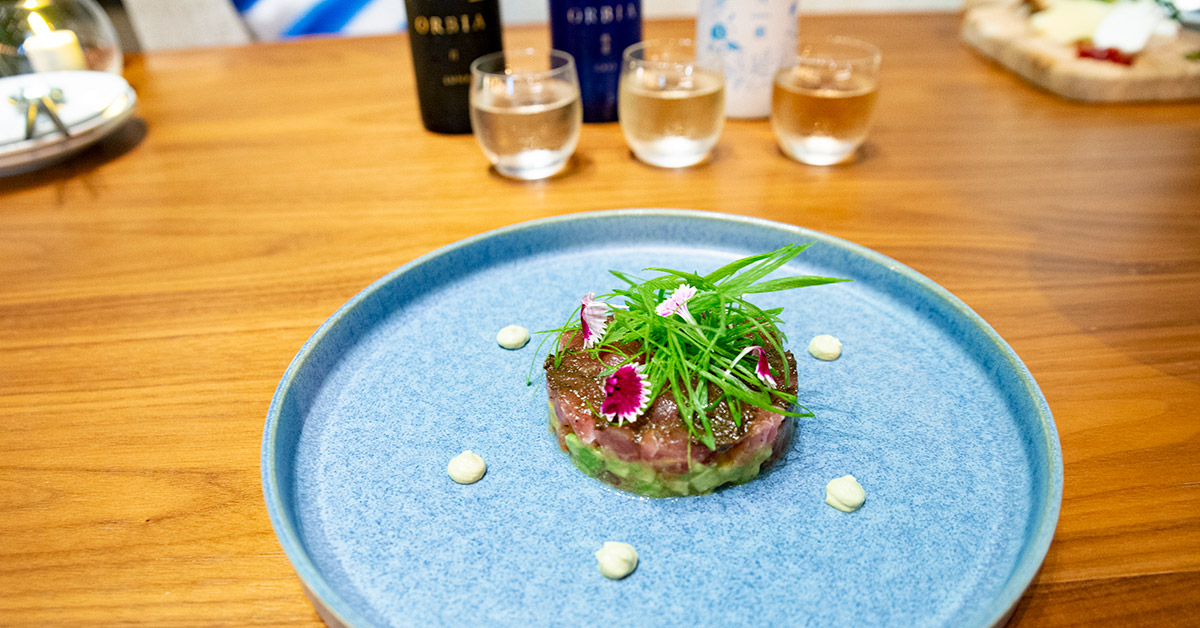
The region is also home to several respected sake breweries producing traditional Japanese rice wine, known as Sake.
Local brewers focus heavily on craftsmanship: carefully controlling rice polishing, water quality, and fermentation conditions to produce balanced and expressive sake.
For those who prefer non-alcoholic options, there is also Amazake, a traditional fermented rice drink that is naturally sweet and often enjoyed warm in winter.
Both drinks reflect the same attention to fermentation techniques that define the region’s food culture.
Fermentation as a Living Tradition
What makes fermentation in Aichi special isn’t just its history, it’s that these traditions are still alive today.
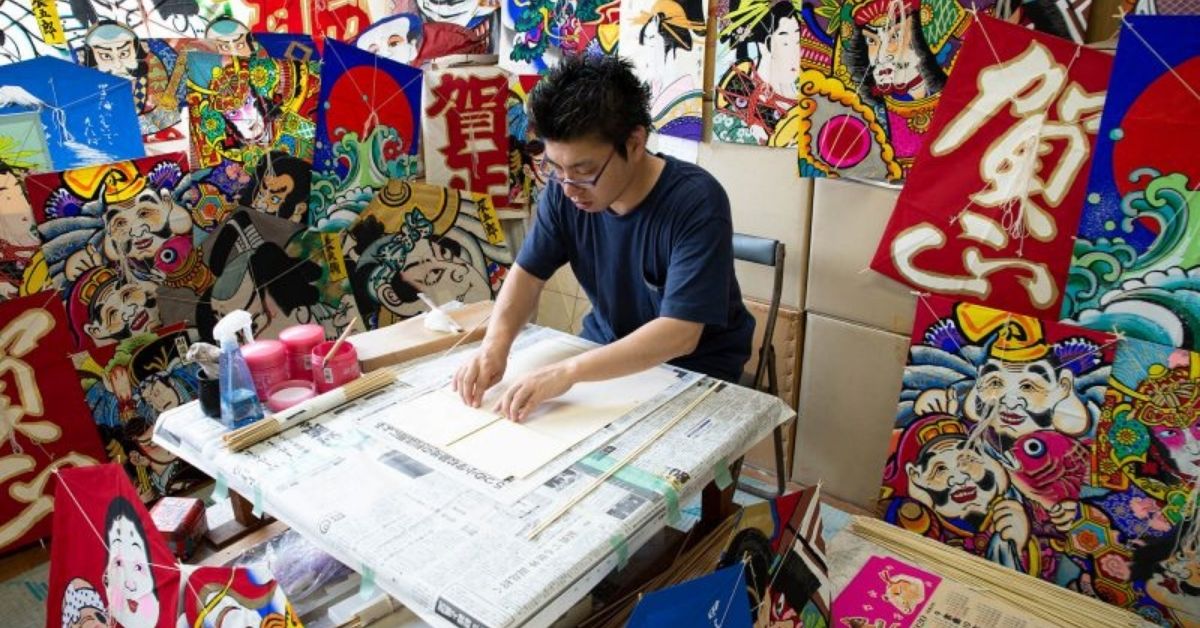
Many producers are family-run businesses that have been operating for generations. Techniques are often passed down through the family, with artisans maintaining traditional fermentation methods developed centuries ago.
Walk into a local restaurant in Nagoya, and you’ll find these ingredients in every single dish.
Fermentation here isn’t a historical curiosity. It’s simply how people cook and eat.
Where Travelers Can Experience Fermentation in Aichi
One of the best parts about visiting Aichi is that you don’t just have to read about fermentation, you can actually experience it.
Breweries
Visitors can explore traditional fermentation breweries where miso, soy sauce, and sake are still made using time-honored methods. Guided visits reveal how ingredients transform over months or even years.
We can arrange tailored tours to visit local breweries, allowing travelers to see fermentation in action and taste the results.
Food Tours
Food tours are the easiest way to experience Nagoya’s fermentation culture.
Our Nagoya is not boring original tours, such as the Flavors of Nagoya Food Tour and Osu Street Food Tour, introduce visitors to iconic dishes made with Hatcho miso, tamari soy sauce, and other regional ingredients.
Workshops
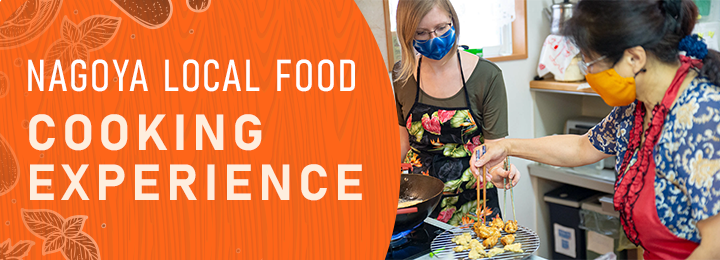
Some local experiences allow travelers to try hands-on activities such as miso tasting sessions, Japanese cooking classes, and fermentation-focused culinary workshops.
These experiences offer a deeper appreciation of how traditional ingredients are used in everyday cooking.
Markets
Local food markets are another great place to discover fermented products.
Visitors can browse stalls selling artisanal miso pastes, specialty soy sauces, regional pickles, and locally brewed sake; all part of Aichi’s vibrant fermentation culture.
Why Fermented Food Is Part of Nagoya’s Identity
Nagoya is famous within Japan for its “strong taste” cuisine.
While other regions are known for delicate or subtle flavors, Nagoya proudly embraces richer and bolder dishes. Much of that identity comes directly from the fermented ingredients produced in Aichi.
Hatcho miso’s deep savoriness, tamari’s bold umami, and the balanced sweetness of mirin all contribute to the city’s distinctive food culture.
For locals, these flavors aren’t unusual; they’re simply the taste of home.
And for travelers, discovering them offers a delicious way to understand the character of Nagoya itself.

Discover Nagoya Through Fermentation
Fermentation is one of the best ways to understand Nagoya.
From centuries-old miso breweries to everyday restaurant dishes, fermented ingredients shape the flavors, traditions, and identity of Aichi’s cuisine.
Whether you’re tasting miso katsu for the first time or visiting a historic brewery, exploring fermented foods reveals a deeper side of Japanese culture.If you’d like to experience Nagoya’s food traditions firsthand, joining a local food tour is one of the most enjoyable ways to dive in, and taste the region’s remarkable fermentation culture for yourself.
Did you enjoy this article?
Make sure to also check out our other posts about Nagoya and trust us if we say Nagoya is not boring!
Be sure to follow us on Facebook for regular updates on Nagoya, and see our Instagram for pictures and stories about the city!
Tag us 📲
If you have visited any of these markets are any others not in this list, please share your experience and tag us on social media with #nagoyaisnotboring