


'/%3E%3Cpath%20fill='%23b2b2b2'%20d='M241%20382q0%2016%2017%2026%2017%2011%2042%2011t42-11q16-11%2017-26V269H241'/%3E%3Cpath%20fill='%239f7e00'%20d='M241%20379q0%2014%208%2023%209%209%2021%209%2014%200%2021-9%209-9%209-23V269h-59'/%3E%3Cpath%20d='M241%20339v-70h59v110q0%2014-9%2023l-6%205v-68h-15v72q-8%200-14-4v-68zm59%2040c0%2022%2015%2032%2029%2032%2021%200%2030-18%2030-32v-40h-59'/%3E%3Cpath%20fill='%239f7e00'%20d='M266%20277v5h2v12h-3v-5h2v-5h-9v5h2v5h-4v9h3v18h-5v10h34v-10h-5v-18h3v-9h-4v-5h2v-5h-9v5h2v5h-3v-12h2v-5zm42%20101q0%2010%206%2017%206%206%2015%207%2010-1%2016-7%206-7%206-17v-29h-43'/%3E%3Ccircle%20fill='%230044ad'%20cx='329.5'%20cy='372'%20r='6'/%3E%3Cellipse%20fill='%230044ad'%20cx='300'%20cy='340'%20rx='16'%20ry='21'/%3E%3C/svg%3E)
Nagoya is often associated with castles, miso cuisine, and samurai history, but it is also one of Japan’s best destinations for sports, both modern and traditional. From cheering alongside thousands of fans at a professional sumo tournament to learning the precise movements of a samurai sword, there are countless ways to experience Japanese sports culture beyond simply watching from the sidelines.
Whether you want to try a centuries-old martial art, test your focus with archery, or join a local sports activity during your trip, here are some of the traditional Japanese sports experiences in and around Nagoya, and how you can participate yourself.
Article Contents
1. Experience Japan’s National Sport at the Nagoya Sumo Tournament
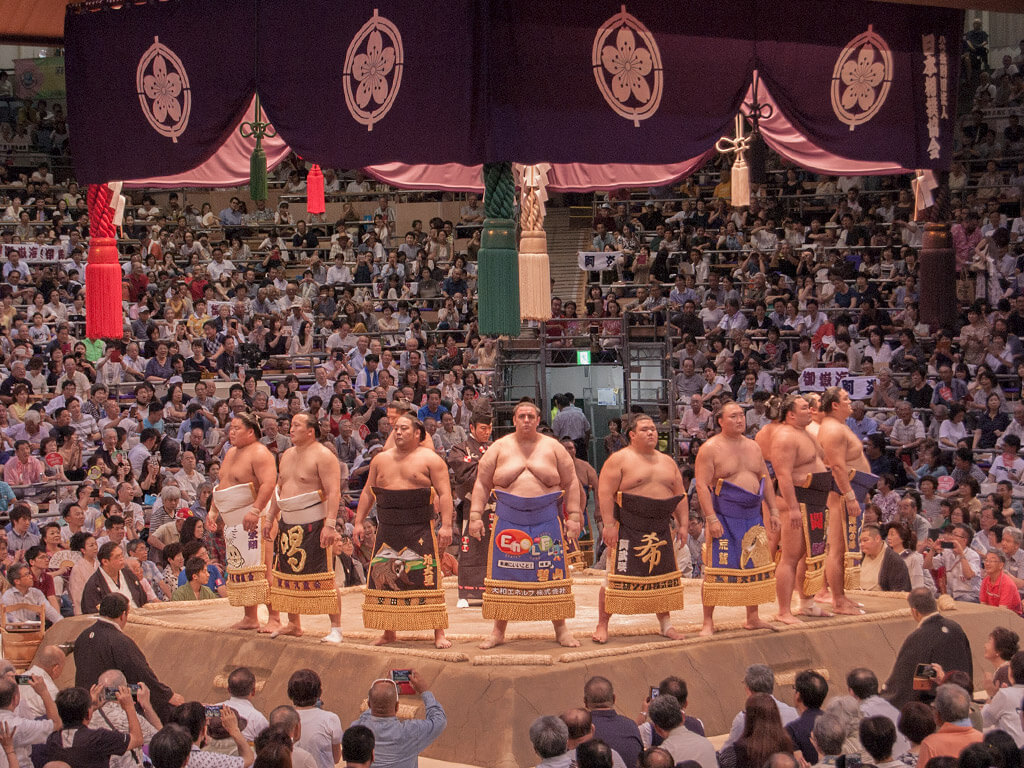
No sport is more closely connected to Japanese tradition than sumo. Every July, Nagoya hosts one of Japan’s six official Grand Sumo Tournaments, drawing the country’s top-ranked wrestlers and thousands of passionate fans.
Sumo traces its origins back more than 1,500 years and was originally performed as part of Shinto rituals intended to ensure good harvests. Many of the ceremonial elements seen today, from the salt-throwing purification ritual to the roof over the ring modeled after a Shinto shrine, reflect these religious roots.
Unlike many professional sports, sumo retains rituals that date back hundreds of years. Before each bout, wrestlers perform ceremonial movements, throw purifying salt into the ring, and engage in psychological battles long before the match itself begins.
Even if you know nothing about the sport, the atmosphere inside the arena is unforgettable.
If you’d like a deeper understanding of the traditions, rankings, and rituals, our Nagoya Sumo Tournament Tour includes tickets, expert guidance, and insights that help first-time visitors appreciate what is happening inside the ring.
Recommended for: Culture lovers, sports fans, first-time visitors to Japan
Availability is limited, so secure your tickets as soon as possible below:
The Best Grand Sumo Tournament Experience in Nagoya 2026
2. Become a Samurai for a Day in Inuyama and Learn Iaido
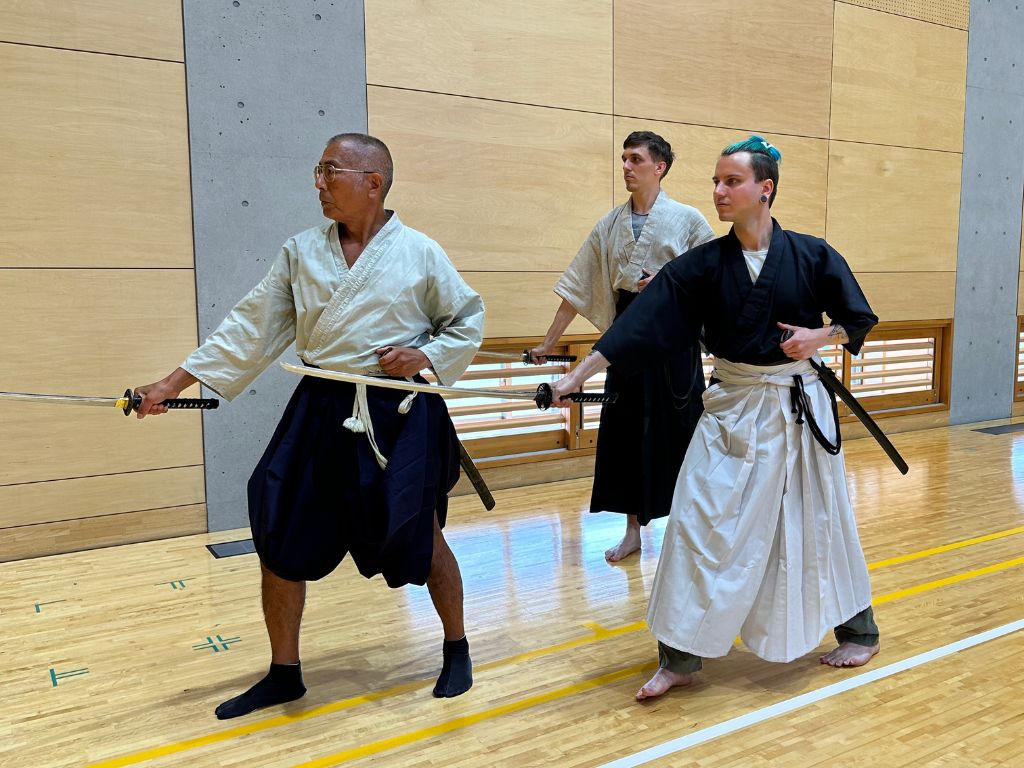
If you’ve ever wanted to step into the world of the samurai, Inuyama is one of the best places to do it.
Just outside Nagoya, this historic castle town is home to one of Japan’s oldest surviving castles and offers a fascinating glimpse into the country’s feudal past. It’s also the perfect setting to experience Iaido, the traditional art of drawing and cutting with a Japanese sword.
Iaido developed from techniques practiced by samurai during Japan’s feudal period, when the ability to draw and strike with a sword in a single motion could mean the difference between life and death. As Japan modernized and swords disappeared from daily life, Iaido evolved into a discipline focused on self-improvement, concentration, and preserving traditional swordsmanship.
Rather than fighting an opponent, practitioners focus on drawing, cutting, and returning the sword to its scabbard with complete control and concentration. Every movement is deliberate, and even beginners quickly discover that Iaido is as much about mental focus as physical technique.
For many travelers, trying Iaido offers one of the closest connections to the world of the samurai.
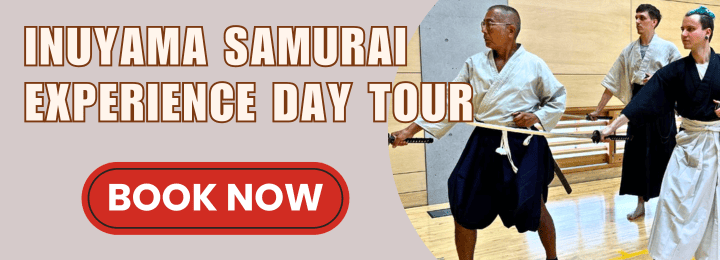
Our Inuyama Samurai Day Tour combines history, culture, and hands-on experiences in one of Japan’s most beautiful castle towns. As part of the tour, participants can take part in an Iaido lesson, learning the basics of samurai swordsmanship from experienced instructors while gaining a deeper understanding of the philosophy and traditions behind the art.
Recommended for: History enthusiasts, samurai fans, culture lovers, mindfulness seekers
Book your spot today: Inuyama Samurai Day Tour
3. Practice the Way of the Bow with Kyudo
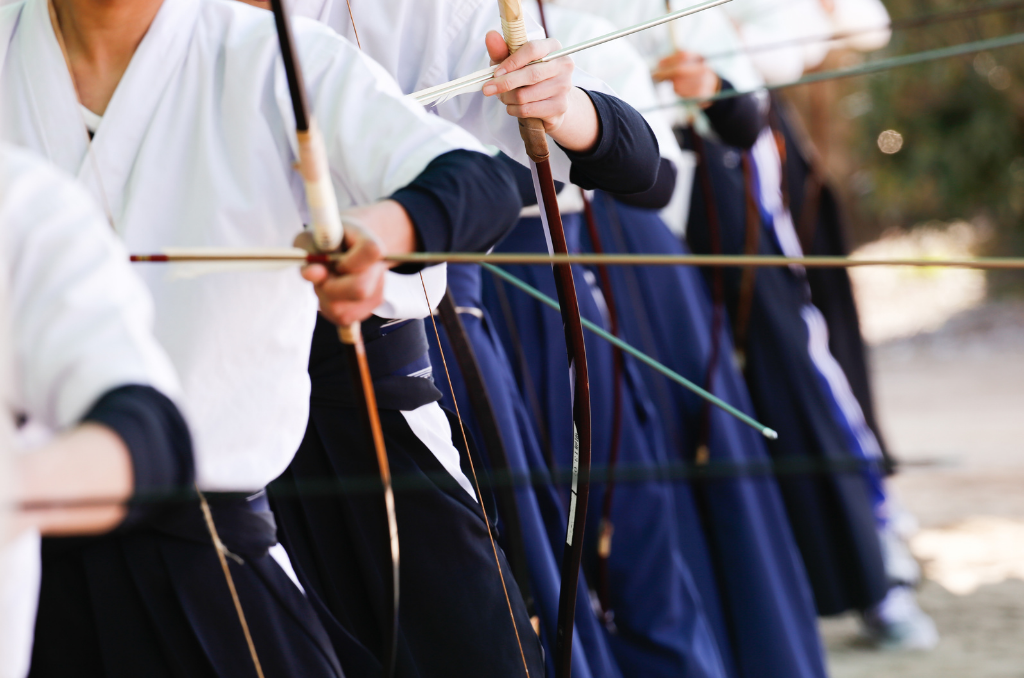
Kyudo, often translated as “The Way of the Bow,” is Japan’s traditional form of archery.
The Japanese bow has been used for centuries, first in hunting and warfare and later as an important skill among the samurai class. During the peaceful Edo period (1603-1868), archery increasingly became a path of personal cultivation, eventually developing into the modern martial art known as Kyudo.
Unlike Western target archery, Kyudo places equal importance on posture, breathing, and mental composure. Success is measured not only by hitting the target but also by performing each step of the shooting process with grace and precision.
Watching experienced archers can feel almost ceremonial. Every movement has purpose, creating an experience that is as much art as sport.
Many visitors are surprised to discover that beginner-friendly experiences and introductory lessons are available around Nagoya.
Recommended for: Travelers interested in Japanese culture, mindfulness, and traditional arts
4. Learn Japanese Swordsmanship Through Kendo
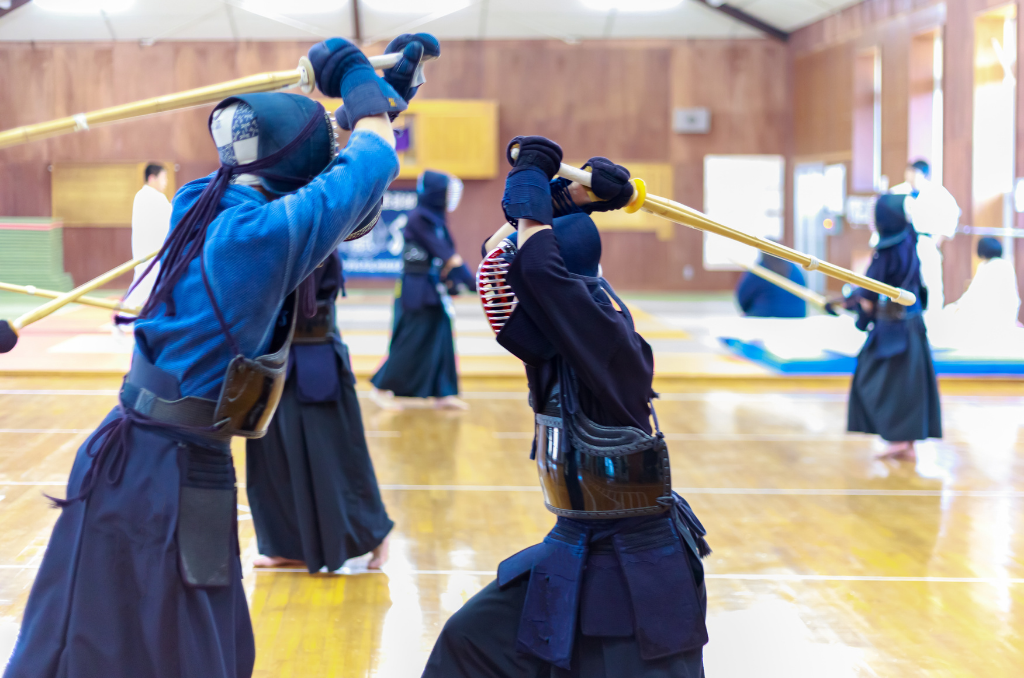
If Iaido reflects the calm side of the samurai tradition, Kendo showcases its competitive spirit.
Kendo evolved from kenjutsu, the practical sword-fighting techniques used by samurai. During the Edo period, bamboo swords and protective armor were developed, allowing practitioners to spar safely while preserving the spirit and techniques of sword combat.
Known as “The Way of the Sword,” Kendo is now practiced by millions of people across Japan and around the world. Practitioners wear protective armor and use bamboo swords to score points through strikes, timing, and strategy.
Matches are fast, intense, and surprisingly athletic. Even spectators unfamiliar with the rules can appreciate the speed and energy of a good bout.
Many local clubs welcome beginners, and introductory classes are often available for adults interested in learning the basics.
Recommended for: Active travelers, martial arts enthusiasts, competitive personalities
5. Discover the Global Legacy of Karate
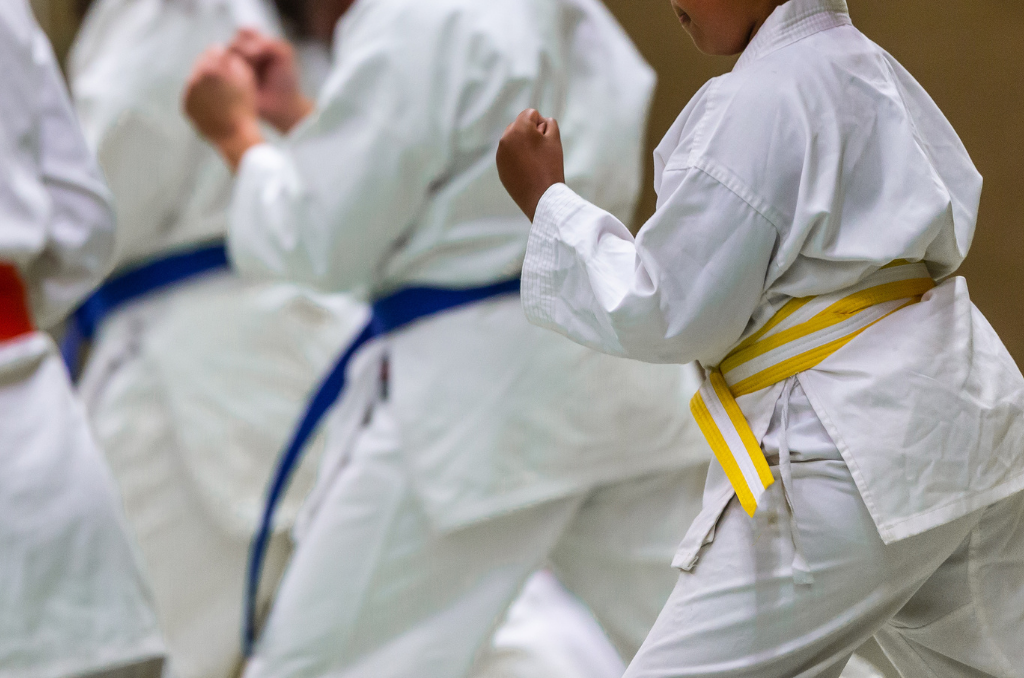
Karate may be one of Japan’s most internationally recognized martial arts, but experiencing it in Japan offers a different perspective.
Karate originated in Okinawa, where indigenous fighting methods were influenced by martial traditions from China. It was introduced to mainland Japan in the early twentieth century and eventually spread across the globe, becoming one of the world’s most widely practiced martial arts.
While karate references in popular culture often focus on the fighting aspect, traditional karate emphasizes discipline, self-control, and the perfection of technique. Training typically combines kata (pre-arranged forms), striking drills, and partner exercises.
Visitors can often observe classes or participate in beginner-friendly sessions, making karate an excellent introduction to Japanese martial arts culture.
Recommended for: Martial arts fans, families, beginners
Top Anime Locations in Nagoya and Its Surroundings
6. Try Naginata, the Samurai Warrior’s Polearm
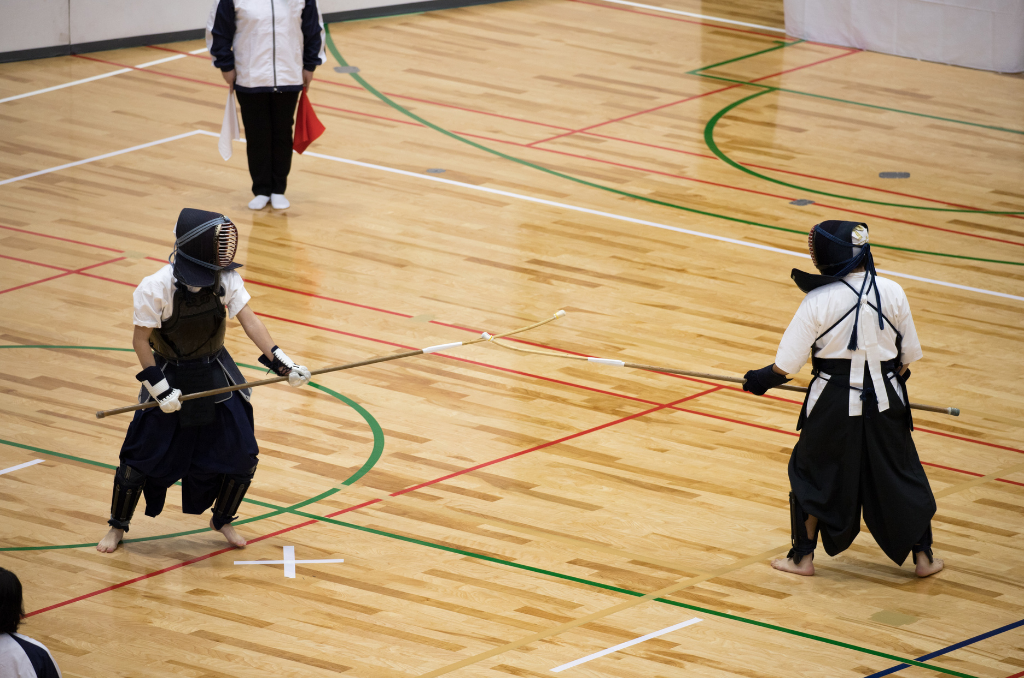
Less famous than swords or bows but equally fascinating, Naginata is a traditional martial art centered around a long pole weapon once used by samurai and warrior women.
Historically, the naginata was an important battlefield weapon, particularly effective against cavalry. It later became closely associated with women of samurai households, who were expected to learn its use for the defense of their homes and families.
Today, practitioners use bamboo training weapons and protective equipment during practice and competition.
The flowing movements, long reach, and emphasis on timing create a style that feels completely different from other martial arts. It remains one of Japan’s lesser-known traditional sports and can be a rewarding experience for visitors seeking something unique.
Recommended for: Returning visitors to Japan, martial arts enthusiasts, cultural explorers
7. Join Local Sports and Activities Around Nagoya
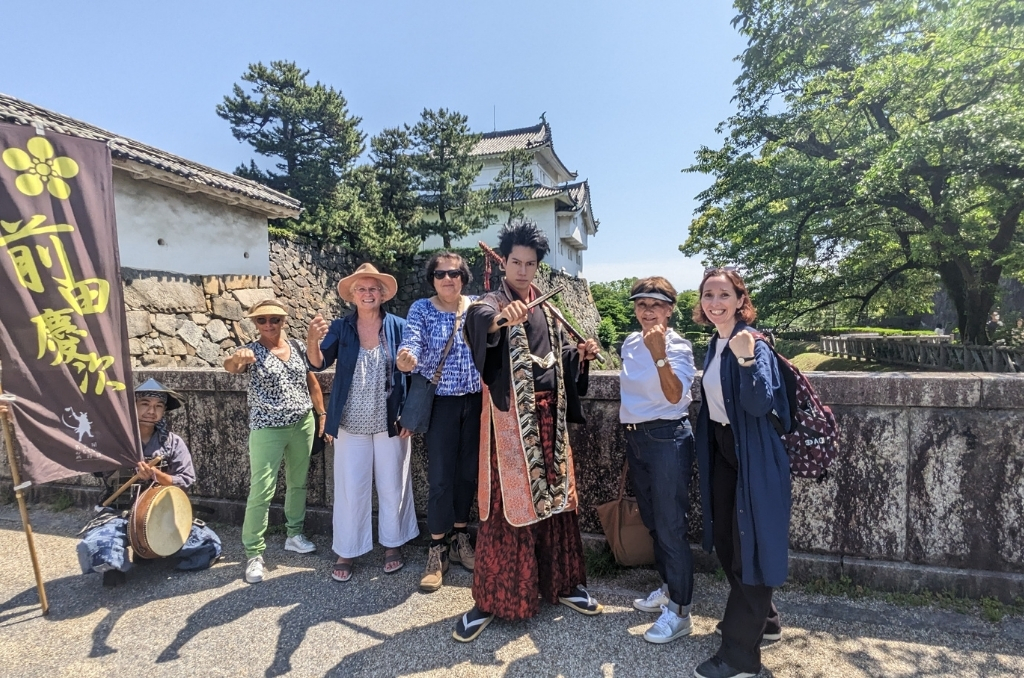
Traditional Japanese sports and martial arts are only part of Nagoya’s sports scene.
The city offers a wide range of opportunities for visitors to get active, from cycling and running events to community sports programs and recreational facilities. Whether you are looking for a casual activity or a more structured experience, the city’s sports tourism initiative provides information about facilities, events, and opportunities for visitors.
Explore available activities here:
Try Nagoya Sports for Yourself Here
Which Traditional Japanese Sport Should You Try?
If you’re interested in samurai culture:
Inuyama Samurai Day Tour (with Iaido lesson)
If you enjoy precision and concentration: Kyudo
If you want an active, competitive experience: Kendo
If you are looking for a globally recognized martial art: Karate
If you want something unusual and uniquely Japanese: Naginata
If you want to watch elite athletes in action:
Nagoya Sumo Tournament
More Than Just a Spectator Sport
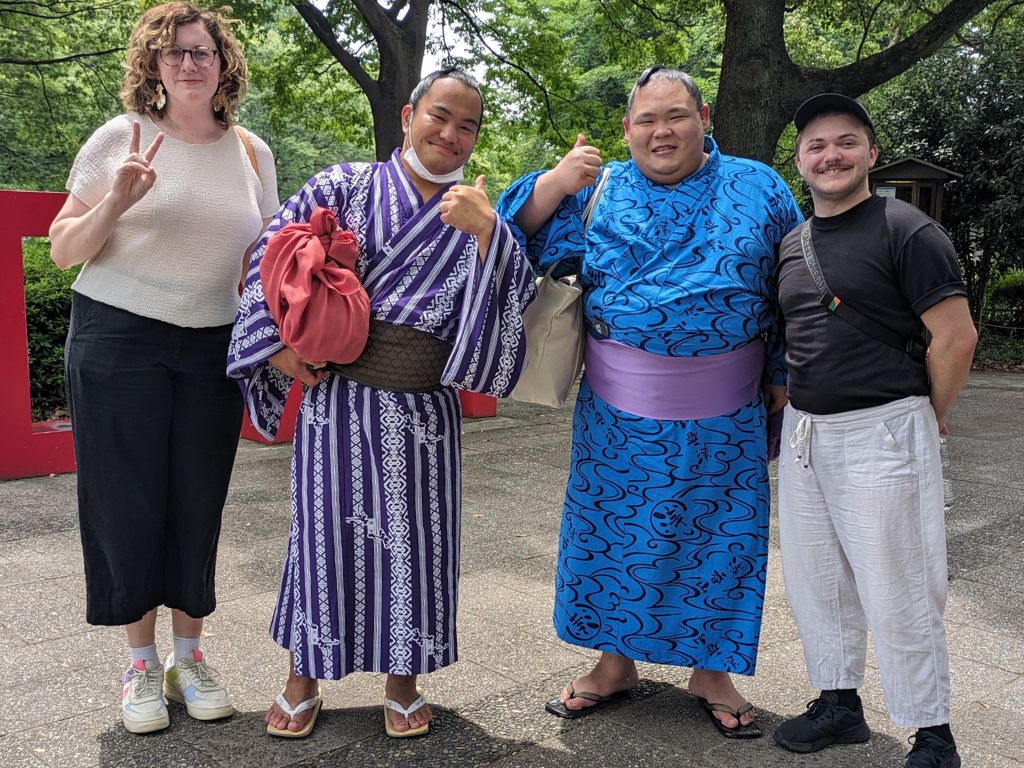
Whether you’re watching world-class sumo wrestlers battle for victory, drawing a sword in an Iaido lesson, or learning the graceful movements of Kyudo, sports offer a unique window into Japanese culture. Many of these traditions have been passed down for centuries, preserving values such as discipline, respect, focus, and perseverance.
Best of all, you don’t have to be an athlete (or even a sports fan) to enjoy them. From hands-on martial arts experiences to major sporting events, Nagoya offers countless opportunities to discover Japan’s sporting heritage for yourself.
FAQ: Traditional Sports in Nagoya
Can beginners try Japanese martial arts in Nagoya?
Yes. Many introductory experiences are specifically designed for beginners and require no prior martial arts experience.
Which martial art is easiest for first-time visitors?
Iaido and Kyudo are often the most accessible because they focus on individual technique rather than sparring.
Can women participate in these sports?
Yes. Women actively participate in Iaido, Kyudo, Kendo, Karate, and Naginata throughout Japan, and many clubs and organizations welcome practitioners of all genders. In fact, modern Naginata has a particularly strong tradition of female participation due to its historical association with women of samurai households.
Professional sumo is currently restricted to men, and women do not compete in the professional tournaments organized by the Japan Sumo Association. Although amateur and international sumo competitions often include women’s divisions, sumo sparring experiences may only allow men to enter the dohyo, so be sure to check before booking.
When is the Nagoya Sumo Tournament held?
The Nagoya Grand Sumo Tournament takes place every July and is one of the six official annual tournaments held in Japan.
What’s the difference between Iaido and Kendo?
Iaido focuses on solo sword-drawing techniques and mental discipline, while Kendo involves sparring against an opponent using bamboo swords and protective armor.
Can I watch traditional martial arts without participating?
Yes. Local tournaments, demonstrations, and dojo events occasionally welcome spectators, and sumo tournaments are particularly popular for visitors.
Did you enjoy this article?
Make sure to also check out our other posts about Nagoya, and trust us if we say Nagoya is not boring!
Be sure to follow us on Facebook for regular updates on Nagoya, and see our Instagram for pictures and stories about the city!
Tag us
Any of these Japanese sports piqued your interest? Planning on trying any out for yourself? If so , please share it and tag us on social media with #nagoyaisnotboring