

Some festivals in Japan end with fireworks. Not the Toyohashi Gion Festival; this one starts with people holding them. And not the safe, distant kind launched from a riverbank, we’re talking about bamboo tubes packed with gunpowder, cradled under one arm while columns of fire explode into the night sky.
It sounds slightly unhinged. It also happens to be one of the most spectacular festival traditions in Japan.
Here’s exactly why you should make time for the Toyohashi Gion Festival if you’re in Aichi this July: this is the ultimate guide to the Toyohashi Gion Festival.
Article Contents
What (and Where) is the Toyohashi Gion Festival?
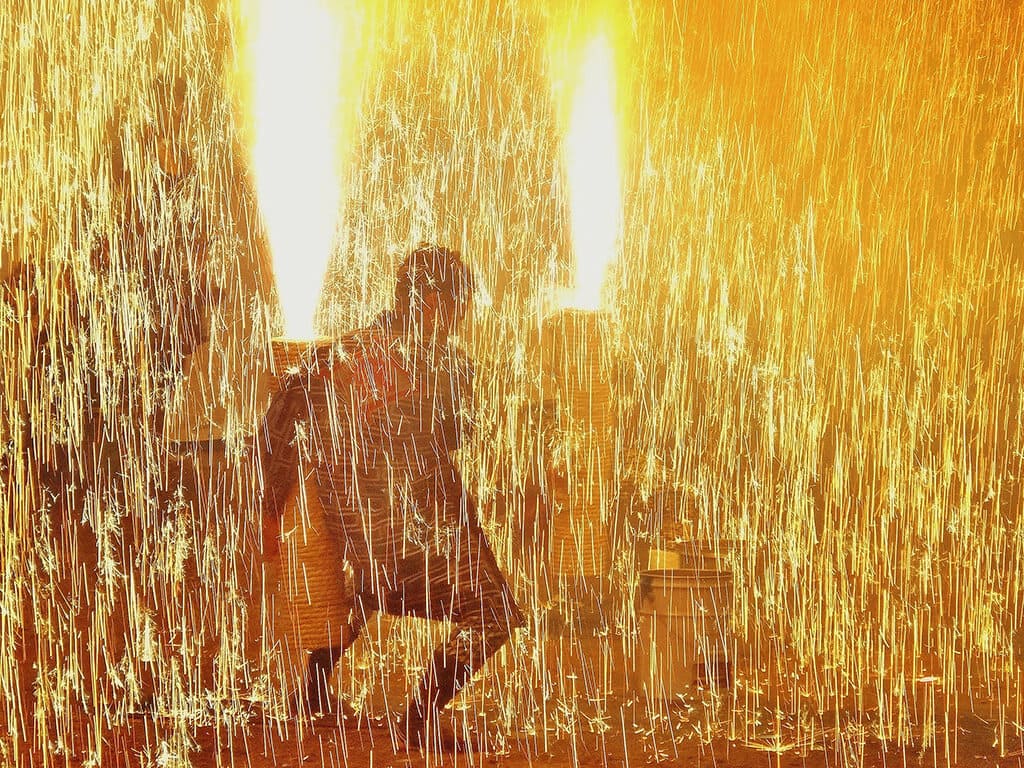
The Toyohashi Gion Festival is one of Aichi’s most famous summer festivals, known for its dramatic tezutsu hanabi (hand-held fireworks), shrine ceremonies, and a spectacular 12,000-firework display over the Toyo River.
The festival takes place every year during the third weekend of July at Yoshida Shrine in Toyohashi, about 50 minutes from Nagoya by train.
It has been a major summer tradition in eastern Aichi since the Edo period and is considered one of the region’s most important fireworks festivals.
The event centers around Yoshida Shrine, widely recognized as the birthplace of tezutsu hanabi (hand-held fireworks), a tradition that dates back more than 450 years.
Today, the festival combines ancient fire rituals, massive riverside fireworks displays, shrine ceremonies, and community celebrations spread across three days.
But that description still doesn’t fully explain why people travel from across Japan to see it.
What is Tezutsu Hanabi?
Many visitors come to Toyohashi for one reason: Tezutsu Hanabi.
Unlike conventional fireworks, participants hold large bamboo tubes filled with black powder under one arm while sparks erupt several meters into the air.
The tradition originated in the Toyohashi area more than 450 years ago and remains one of Japan’s most dramatic fire rituals.

Why Visit the Toyohashi Gion Festival?
✔️ See Japan’s famous hand-held fireworks
✔️ Experience a 450-year-old tradition
✔️ Watch 12,000 fireworks over the Toyo River
✔️ Discover one of Aichi’s most authentic summer festivals
The Main Event: People Standing Inside a Shower of Sparks
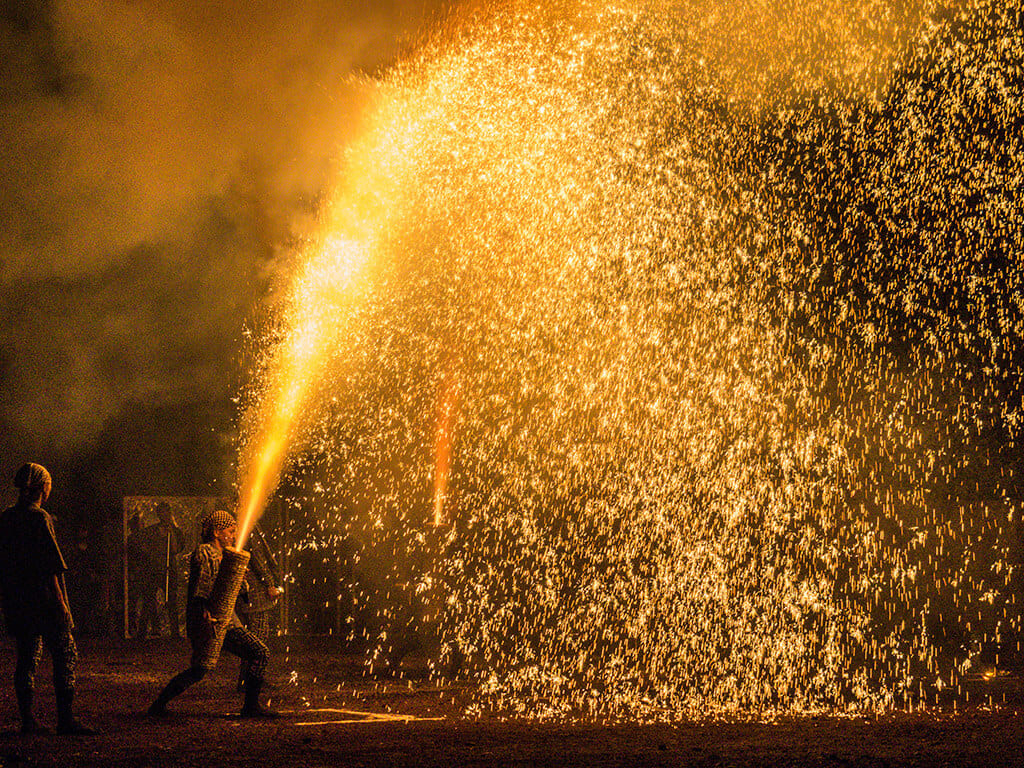
Front and center is Tezutsu Hanabi.
Participants carry thick bamboo tubes filled with black powder, ignite them by hand, and hold them upright as roaring pillars of sparks blast several meters into the air.
No protective barriers. No remote controls.
Just skill, tradition, and nerves of steel.
Around 350 tezutsu fireworks are offered before the shrine on the festival’s opening night, creating one of the most dramatic festival scenes you’ll find anywhere in Japan.
If you think the photographs are impressive, imagine experiencing it for yourself in person.
What Actually Happens Over the Three Days
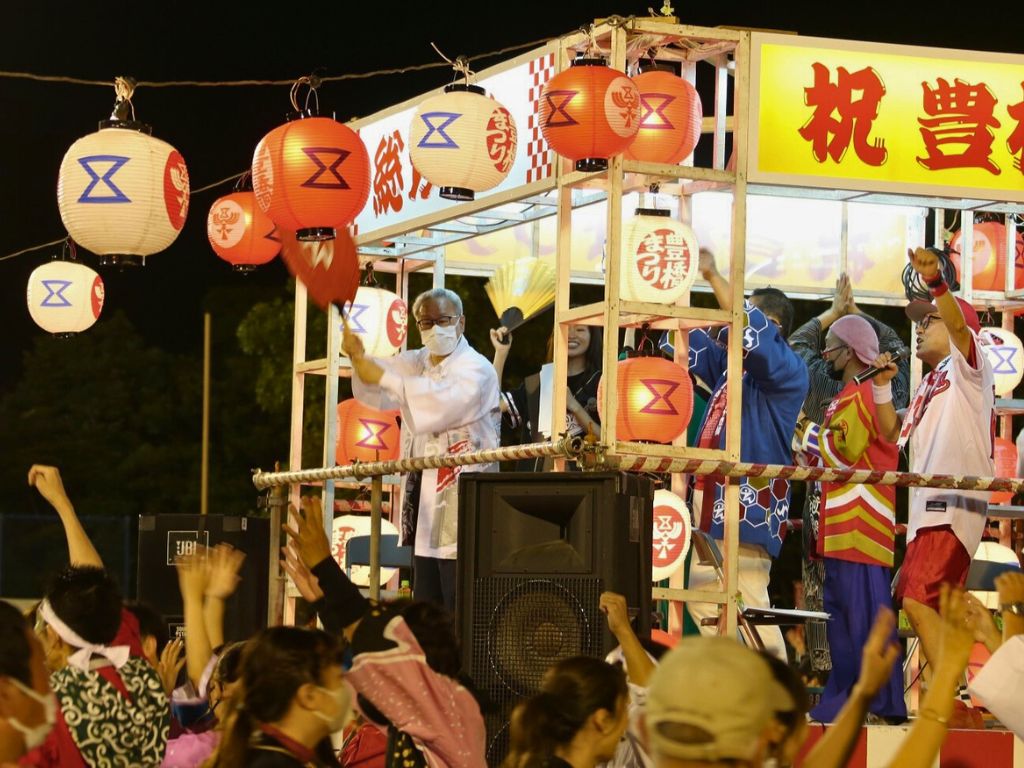
The Toyohashi Gion Festival is unusual because each day has a completely different atmosphere.
On Day 1, July 17, the shrine grounds fill with the sound of drums, ritual ceremonies, and the crackling roar of tezutsu fireworks. As darkness falls, participants from local neighborhoods take turns offering hand-held fireworks before the shrine in a display that feels equal parts ceremony and endurance test.
On Day 2, the 18th, attention shifts to the Toyo River. Around 12,000 fireworks illuminate the water and night sky in one of the largest displays in the region. Star mines, traditional launches, and rapid-fire sequences draw huge crowds along the riverbanks.
On the final day, the 19th, the pace slows considerably. Mikoshi processions, traditional dances, the Yoritomo procession, and local performances bring the festival to a close while maintaining its connection to the shrine’s religious roots.
It’s almost like attending three different festivals over a single weekend.
Why This Festival Feels Different

A lot of Japan’s famous summer festivals focus on size: large crowds, floats, and firework displays.
Toyohashi certainly brings the fireworks. But what makes it stand out, though, is how closely you can experience them.
The tezutsu displays happen within the shrine grounds rather than hundreds of meters away, making you feel the heat, hear the roar, and understand why this tradition has survived for centuries.
It also feels remarkably local. While international visitors are slowly discovering it, the festival remains deeply connected to the surrounding communities that have maintained the tradition for generations.
The result is a festival that feels authentic rather than staged.
Practical Tips (2026 Edition)
Best Time to Visit the Toyohashi Gion Festival
Friday: Best for tezutsu fireworks
Saturday: Best for large-scale fireworks
Sunday: Best for traditional culture
The Toyohashi Gion Festival will take place from July 17-19, 2026, and admission is free.
Toyohashi Station is approximately a 15-20 minute walk from Yoshida Shrine, though local trams provide an easier option during the summer heat.
If you can only attend for one day, make it Friday evening for the tezutsu fireworks. This is the signature event and something you won’t find anywhere else in quite the same form.
For the Saturday fireworks display, arrive early. The riverbanks become crowded well before sunset, and many visitors claim viewing spots hours in advance.
Summer temperatures can be intense, so bring water, sunscreen, and plenty of patience for the walk back to the station afterward.
After the festival
One of the best things about the Toyohashi Gion Festival is that the city itself rewards exploration.
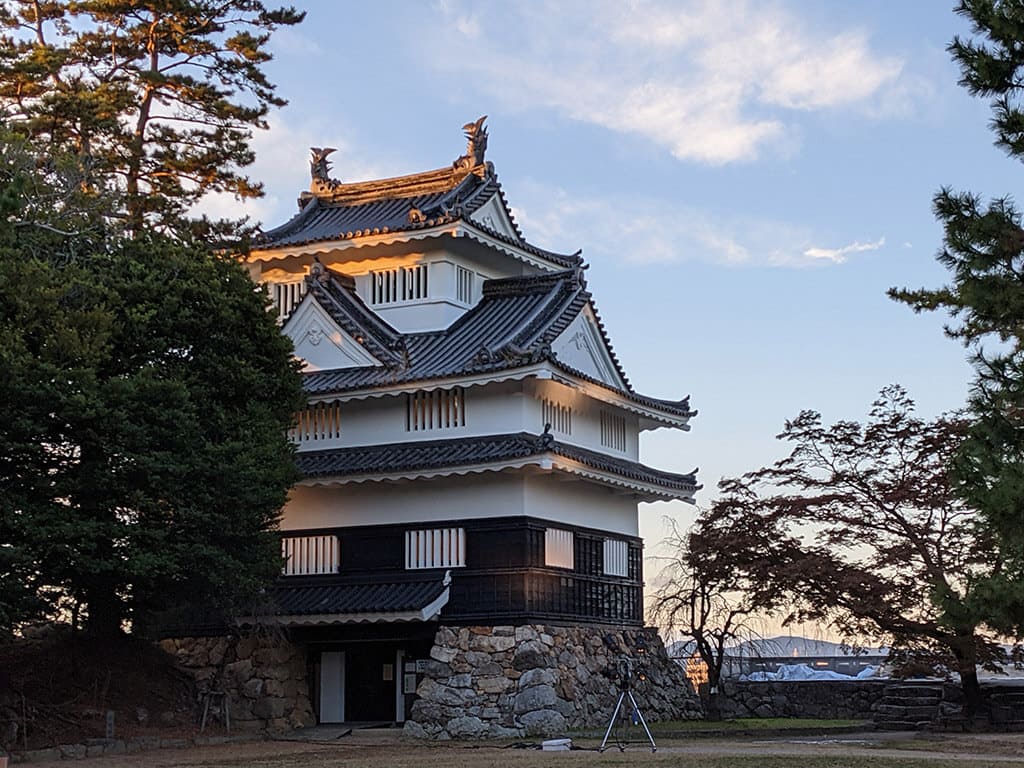
Take a walk around the historic Yoshida Castle area, ride the charming streetcars through town, or stop by one of the local cafes and izakayas that fill up with festival-goers after dark.
The atmosphere lingers long after the fireworks end, which is part of its appeal.
Heading back to Nagoya after the festival?
Keep the evening going with:
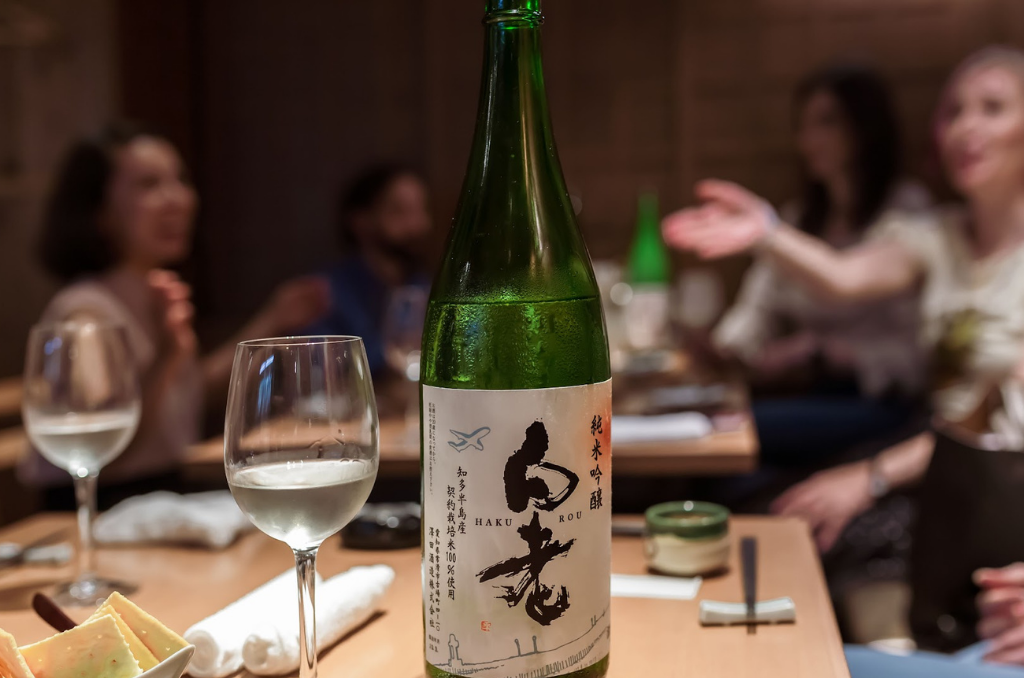
🍶 Nagoya Sake Tasting & Izakaya Night Tour
Both are perfect ways to experience another side of local nightlife after a day of festival excitement.

Final thoughts
Japan has no shortage of summer festivals.
But very few combine centuries-old traditions, hand-held fireworks, and a massive riverside spectacle in quite the same way.
The Toyohashi Gion Festival manages to feel both intensely dramatic and deeply rooted in local culture.
If you’re in Aichi in July 2026, it’s one festival that’s absolutely worth the trip.
Toyohashi Gion Festival (豊橋祇園祭)
Dates: July 17th-19th, 2026
Entry Fee: free
Opening Hours: Depends on the day and event
Address: Yoshida Shrine, 2 Sekiya-cho, Toyohashi-shi, Aichi
Website (Japanese only) | Google Maps
Did you enjoy this article?
Make sure to also check out our other posts about Nagoya, and trust us when we say Nagoya is not boring!
Be sure to follow us on Facebook for new articles every week, and see our Instagram for pictures and stories about Nagoya!
Tag us
If you attend the Toyohashi Gion Festival, please share it and tag us on social media with #nagoyaisnotboring