

When people plan a trip to Japan, the usual route often looks the same: Tokyo, Kyoto, Osaka. Somewhere in between, many travelers pass through Nagoya without ever leaving the station.
That’s a mistake.
Nagoya is Japan’s fourth-largest city, yet it remains one of the country’s most underrated destinations. It has the food, history, nightlife, culture, and modern city energy travelers want from Japan, just without the exhausting crowds that now define many major tourist hotspots.
In 2026, as more travelers look for quieter and more authentic experiences in Japan, Nagoya stands out for all the right reasons. In this Nagoya city guide, we’ll give you 10 reasons why Nagoya is definitely worth visiting, and why this city deserves a spot on your Japan itinerary.
Article Contents
1. You Can Experience Japan Without the Intensity of Overtourism
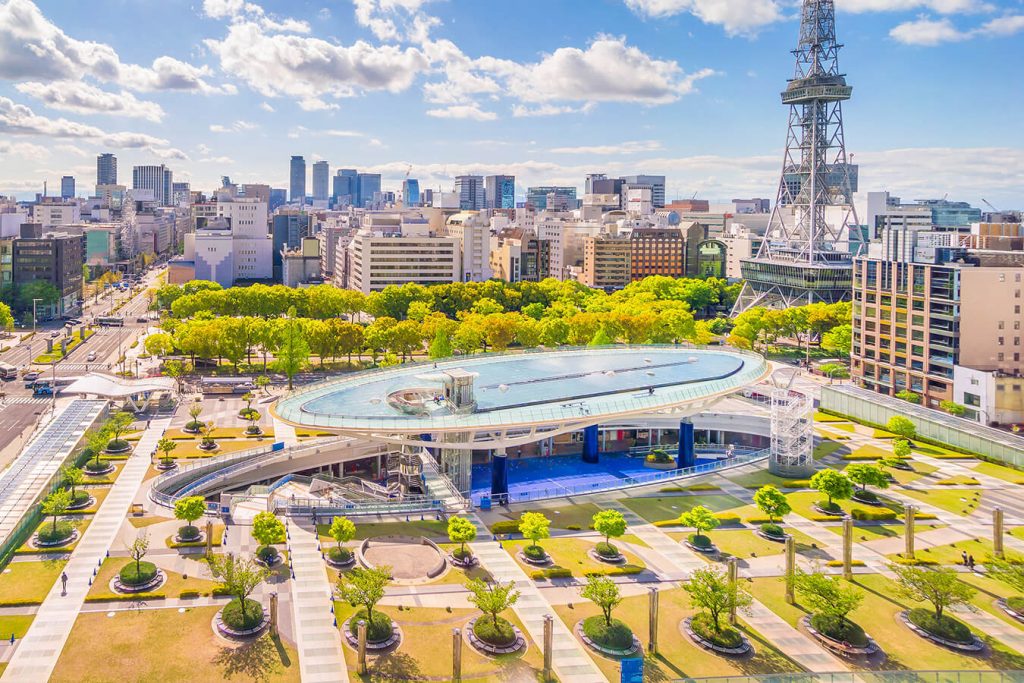
One of Nagoya’s biggest advantages is simple: space.
Compared to Tokyo, Kyoto, or Osaka, the city feels noticeably calmer. Stations are easier to navigate, restaurants rarely require hour-long waits, and sightseeing can actually feel relaxing. Even busy areas like Sakae and Nagoya Station remain manageable for most of the day. Travelers frequently mention how refreshing the city feels compared to Kyoto’s overcrowded tourist areas.
That balance is becoming increasingly rare in Japan.
Nagoya gives visitors the chance to enjoy urban Japan at a slower pace, without sacrificing convenience, shopping, nightlife, or culture.
2. Nagoya Has Some of Japan’s Best Regional Food

Is Nagoya worth visiting? Even just for the food, yes!
The city is famous for “Nagoya Meshi,” a distinctive regional food culture built around rich flavors and hearty comfort dishes. Unlike Osaka’s street-food reputation or Kyoto’s refined cuisine, Nagoya’s food scene feels deeply local and unapologetically bold.
Some must-try dishes include:
- Hitsumabushi: grilled eel that you can enjoy in multiple ways
- Miso Katsu: deep fried pork cutlets smothered in a sweet and savory miso sauce
- Kishimen: wide, flat noodles in a dashi-based broth
- Miso Nikomi Udon: thick udon noodles served in a hearty red miso broth
The city’s signature red miso gives many local dishes a deeper and richer flavor than travelers find elsewhere in Japan. Visitors and locals alike often point to the food culture as one of Nagoya’s most underrated strengths.And there’s no better way to explore Nagoya’s food culture than with a local, knowledgeable guide. Taste the soul of Nagoya on our Flavors of Nagoya Local Food Tour or Osu Street Food Tour by booking today!

3. The Samurai History Here Feels More Personal
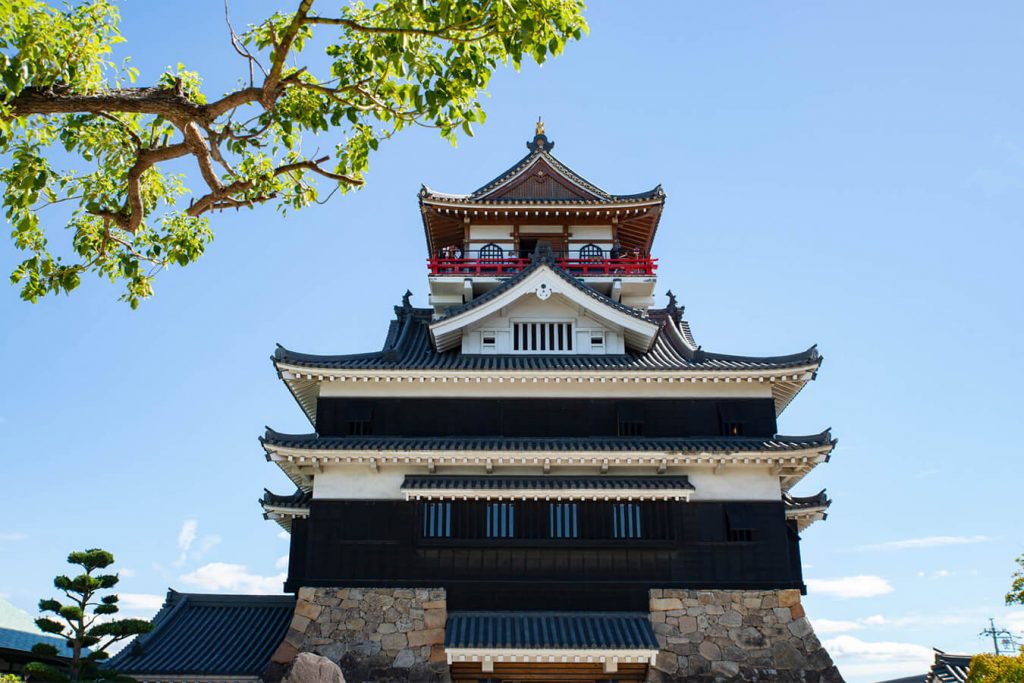
Nagoya played a major role in Japan’s samurai era.
The region is closely connected to powerful historical figures like Tokugawa Ieyasu, and that legacy remains visible throughout the city today.
The centerpiece is Nagoya Castle, famous for its golden shachihoko roof ornaments and beautifully restored palace interiors. Unlike castles in more tourist-heavy cities, visitors can usually explore the grounds without battling massive crowds.
Beyond the castle, travelers can also explore:
- Kiyosu Castle
- Tokugawa Art Museum
- The historic Cultural Path district
Going outside the city, you can enjoy historical samurai towns like Inuyama and Okazaki. If you’re looking for more guidance, consider joining our Inuyama Samurai Experience Day Tour or the Samurai Food and History Tour in Okazaki to fully understand the historical significance of the area.
Nagoya’s historical sites feel less commercialized and more approachable than many of Japan’s better-known destinations, making Nagoya a fantastic place to brush up on your Japanese history.

4. It’s One of the Best Bases for Exploring Central Japan
Nagoya sits almost perfectly between Tokyo, Kyoto, and Osaka.
Because of its location on the Tokaido Shinkansen line, it’s incredibly easy to use the city as a base for exploring central Japan.
Excellent day trips include:
- Inuyama: a charming castle town with deep roots in Samurai culture
- Gifu: a scenic escape just 30 minutes from Nagoya
- Takayama: a beautifully preserved mountain town in the Japanese Alps
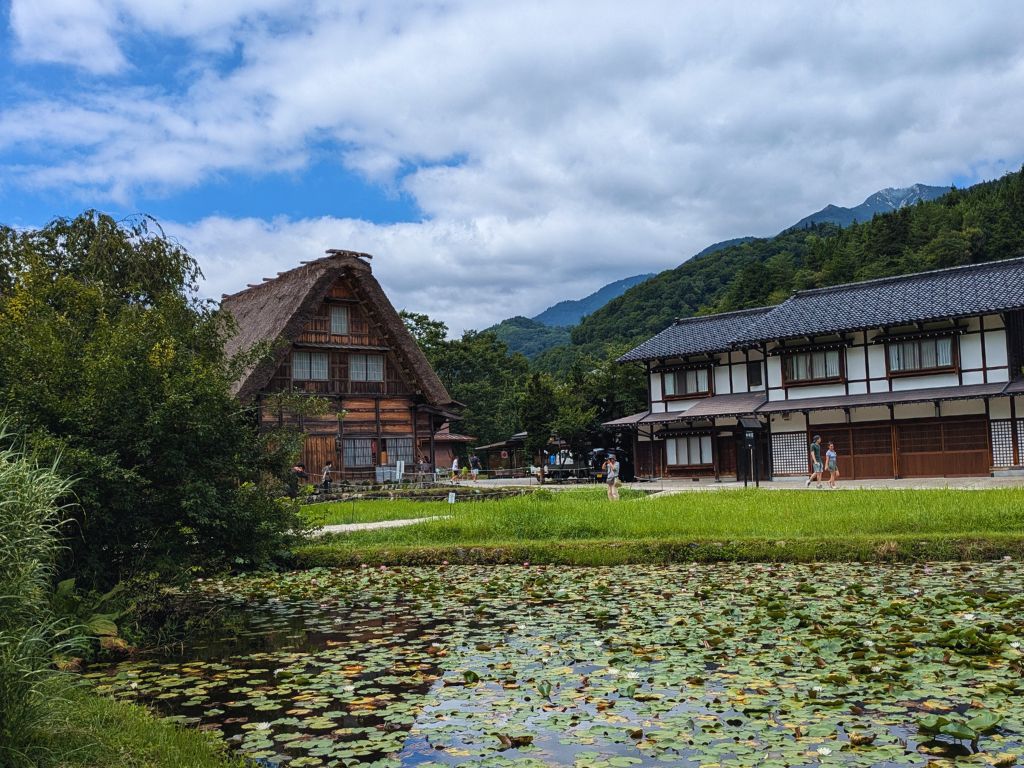
- Shirakawa-go: a UNESCO World Heritage Site known for its thatched roof houses
For travelers who want flexibility without constantly changing hotels, Nagoya is one of Japan’s most practical hub cities.
5. Ghibli Park Is Right Nearby

For many travelers in 2026, Ghibli Park alone makes Nagoya worth visiting.
Ghibli Park has quickly become one of Japan’s most sought-after attractions. Located just outside Nagoya, the park offers immersive areas inspired by films from Studio Ghibli.
Unlike traditional amusement parks, Ghibli Park focuses on atmosphere, storytelling, and exploration rather than rides. Visitors can wander through spaces inspired by your favorite Hayao Miyazaki films, such as My Neighbor Totoro, Spirited Away, and Howl’s Moving Castle.
The park has also helped shift international attention toward Nagoya as a destination in its own right.
6. The City Has a Surprisingly Good Nightlife Scene
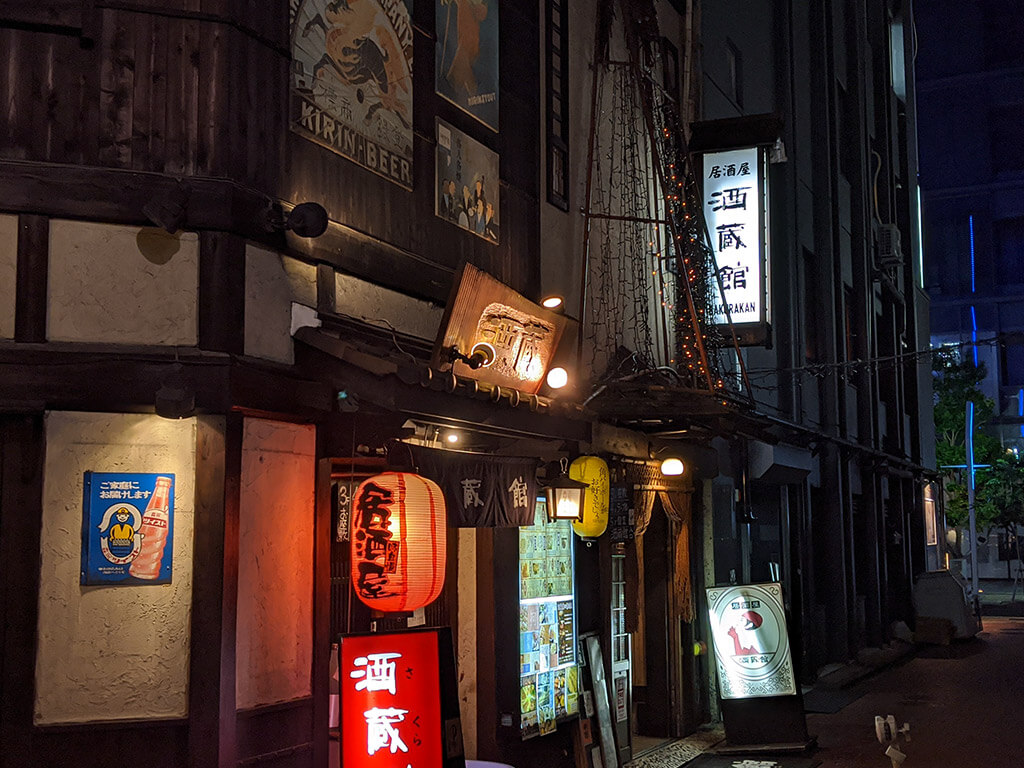
Nagoya nightlife feels lively without being chaotic.
Neighborhoods like Sakae, Kanayama, and Fushimi offer excellent izakaya, cocktail bars, live music venues, and late-night food.
One of the city’s most interesting hidden spots is the retro underground shopping street beneath Fushimi, filled with tiny bars and local eateries that feel frozen in time.
Compared to nightlife districts in Tokyo or Osaka, evenings in Nagoya tend to feel more relaxed, affordable, and approachable.
Where to See Live Music in Nagoya: 8 Venues, Concerts, and Events
7. Nagoya Is Great for Train and Technology Fans
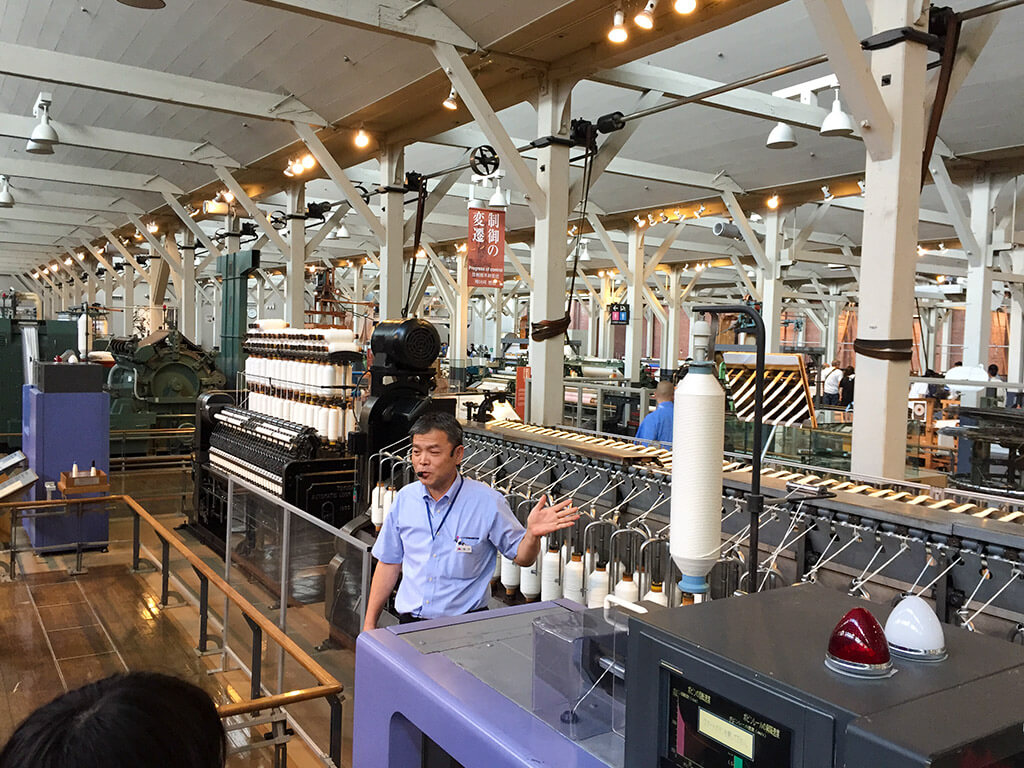
Nagoya is deeply connected to Japan’s industrial and technological identity.
The city is home to major companies like Toyota, and several attractions highlight Japan’s engineering culture.
Popular spots include:
- SCMAGLEV and Railway Park
- Toyota Commemorative Museum of Industry and Technology
- Nagoya City Science Museum
These museums are interactive, well-designed, and often far less crowded than similar attractions elsewhere in Japan.
8 Must-Visit Industry and Technology-Related Museums in Nagoya
8. Shopping Here Feels More Relaxed
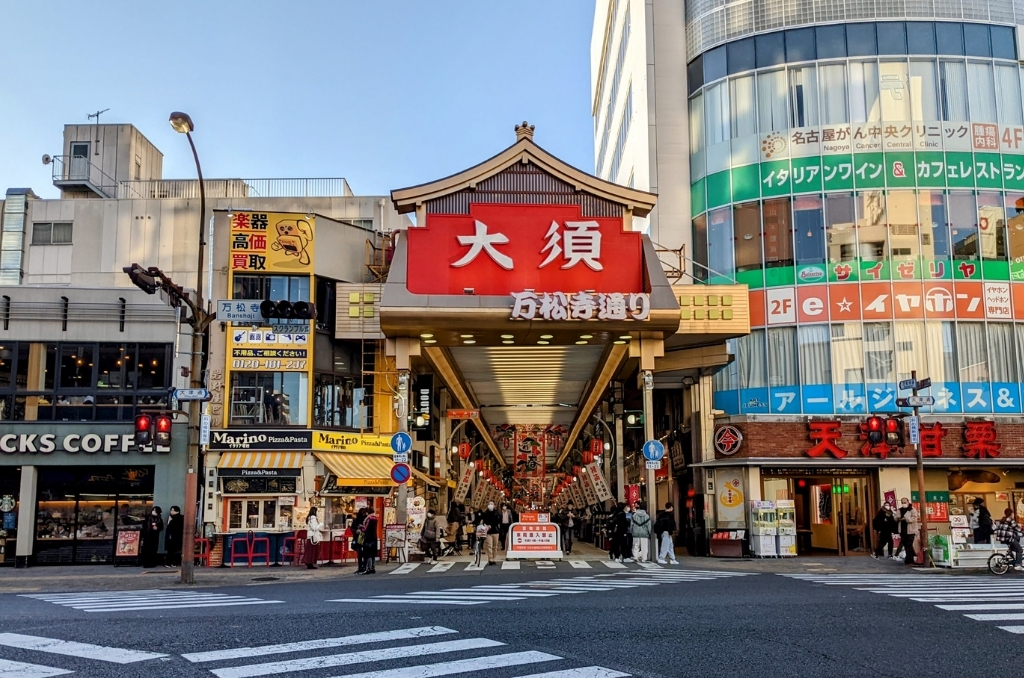
Shopping in Nagoya is underrated.
Areas like Osu Shopping District, Sakae, and Oasis 21 combine modern malls, vintage stores, anime shops, cafes, and local street food in walkable districts that rarely feel overwhelming.
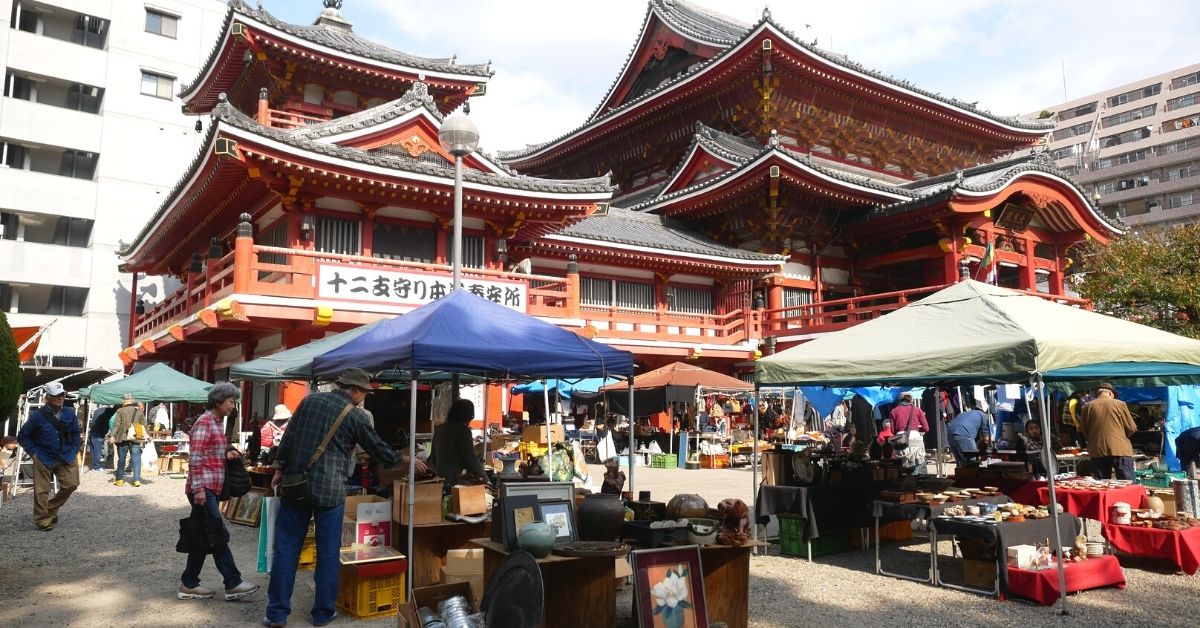
Osu Shopping District especially stands out because of its mix of old and new Japan: temples next to electronics stores, retro arcades beside trendy cafes.
It feels lively without becoming exhausting.
Plus, the street food alone is worth coming back for multiple visits.

9. There Are Excellent Seasonal Events and Illuminations
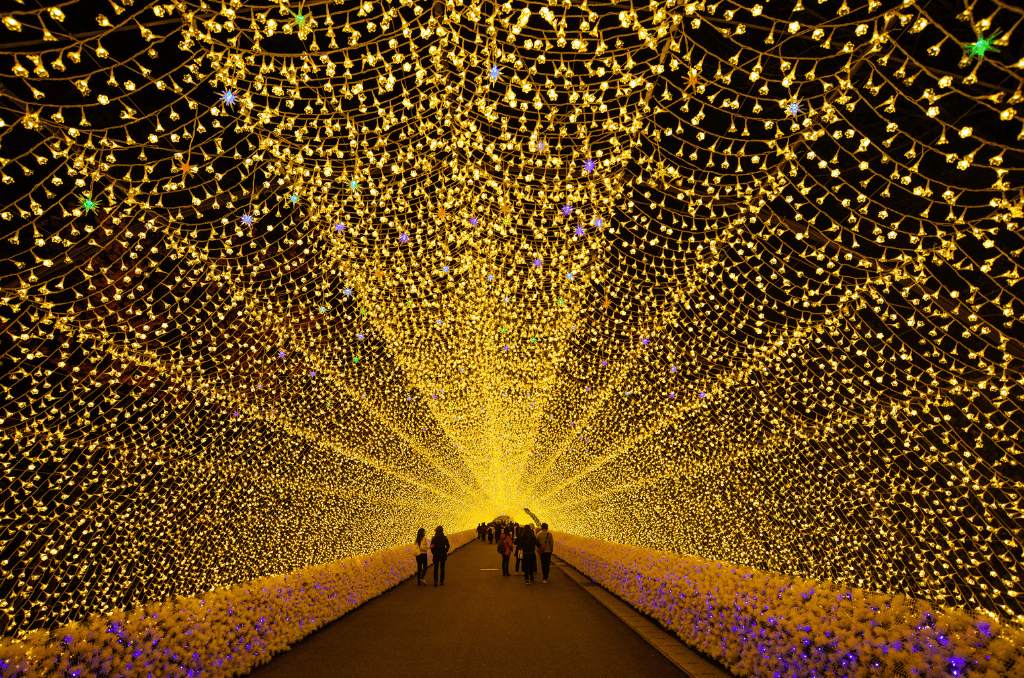
Nagoya becomes especially attractive during seasonal events.
Winter illuminations at Nabana no Sato are among the most famous in Japan, drawing visitors with massive light displays and gardens.
Other seasonal highlights include:
- Cherry blossom viewing along the Yamazaki River
- Summer festivals around Atsuta Shrine
- Autumn foliage at Tokugawa Garden
- Christmas markets at Hisaya Odori Park
Because tourism remains relatively moderate compared to Kyoto or Tokyo, these events often feel more comfortable and enjoyable.
16 Unforgettable Summer Festivals in Nagoya and Aichi in 2026
10. Nagoya Still Feels Like a “Real” Japanese City

This may be the city’s biggest strength.
Nagoya doesn’t feel built around tourism. People live here, work here, and go about daily life without the city constantly performing for visitors.
That gives the experience a different atmosphere.
Restaurants often cater more to locals than tourists. Shopping streets feel authentic rather than curated. Neighborhoods retain a sense of everyday Japan that can sometimes feel harder to find in heavily visited destinations.
For travelers looking for a more grounded and less commercial version of Japan, Nagoya quietly delivers exactly that.

Final Thoughts: So, Is Nagoya Worth Visiting?
Absolutely.
Nagoya doesn’t need to compete with Tokyo, Osaka, or Kyoto, because it brings something entirely different to the table.
It offers incredible regional food, rich samurai history, excellent museums, nearby attractions like Ghibli Park, and a far more relaxed travel experience than many of Japan’s biggest tourist destinations.
For travelers who want to experience modern Japan without spending the entire trip fighting crowds, Nagoya might be one of the smartest additions to a Japan itinerary in 2026.
Did you enjoy this article?
Make sure to also check out our other posts about Nagoya, and trust us if we say Nagoya is not boring!
Be sure to follow us on Facebook for regular updates on Nagoya, and see our Instagram for pictures and stories about the city!
Tag us
Traveling in Nagoya? Let us know what you get up to in the city by tagging us on social media with #nagoyaisnotboring