

Rainy season in Japan gets a bad reputation.
People hear the word “rain” and immediately imagine canceled plans, gray skies, and spending days stuck indoors. But the rainy season in Nagoya can be one of the most underrated times to visit Japan.
From early June to mid-July, the city slows down in the best possible way. Hydrangeas bloom across parks and temple gardens, cozy cafés become even more inviting, and traditional indoor experiences suddenly feel more atmospheric. The streets glisten after rain, lanterns reflect on wet pavement, and the entire city feels calmer, quieter, and more local.
As for Nagoya, with its underground shopping streets, covered arcades, intimate cultural workshops, and food-focused experiences, there’s still plenty to do, even during a downpour.
Here’s everything you need to know about enjoying Nagoya during Japan’s rainy season.
Article Contents
What is the Rainy Season in Japan?
Japan’s rainy season, known as tsuyu, usually lasts from early June until mid-July.
Contrary to what many travelers expect, it does not rain nonstop every day. Instead, you can expect a mix of cloudy mornings, sudden heavy showers, humid afternoons, and occasional sunny breaks.
In Nagoya, temperatures during the rainy season are warm but more manageable than during peak summer. The humidity starts rising, but the extreme heat of late July and August has not fully arrived yet.
The rainy season is also when Japan turns incredibly green.
Gardens become lush, rivers fill up, hydrangeas bloom everywhere, and temples feel especially atmospheric surrounded by mist and rain.
If you slow down and embrace the pace of the season, it can actually become one of the most memorable parts of your trip.
Why Rainy Season Is Actually a Great Time to Visit Nagoya
Nagoya often gets overlooked compared to Tokyo or Kyoto, but many travelers end up loving its slower, more relaxed atmosphere.
And during the rainy season, that relaxed energy becomes even more noticeable.
Here’s why Nagoya works surprisingly well in June and July:
- The city is less crowded than major tourist destinations
- Covered shopping streets and underground walkways make it easy to explore in bad weather
- Traditional cultural experiences feel more immersive on rainy days
- Food-focused activities become even better when it’s cool and drizzly outside
- Indoor workshops and classes offer a deeper connection to Japanese culture
The rainy season is about slowing down, staying cozy, and experiencing a quieter side of Japan that many visitors completely miss.
Explore Nagoya Through Food (Without Worrying About the Weather)
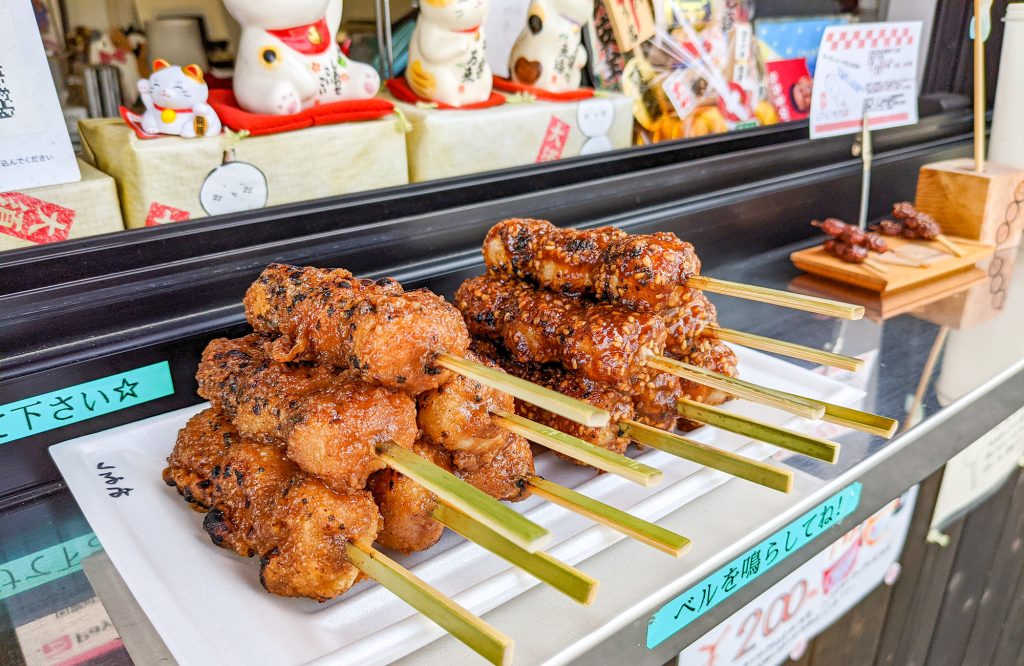
Rainy days and comfort food are the perfect combination.
And luckily, Nagoya is one of Japan’s best food cities.
The city is famous for rich, comforting local dishes like miso katsu, kishimen noodles, hitsumabushi, and tebasaki chicken wings, exactly the kind of food that feels even better when it’s raining outside.
One of the best ways to experience this side of the city is by joining the Best Street Food Walking Tour in Nagoya.
Unlike standing in the rain trying to figure out where to eat, this experience takes you through some of Nagoya’s most vibrant covered shopping streets and hidden local food spots. You’ll discover tucked-away eateries, sample regional specialties, and explore neighborhoods that feel especially atmospheric after dark when the streets are wet and glowing with lights.
Rainy evenings in Nagoya have a completely different charm, and food tours are one of the easiest ways to experience it like a local.
Discover Traditional Japanese Culture Indoors
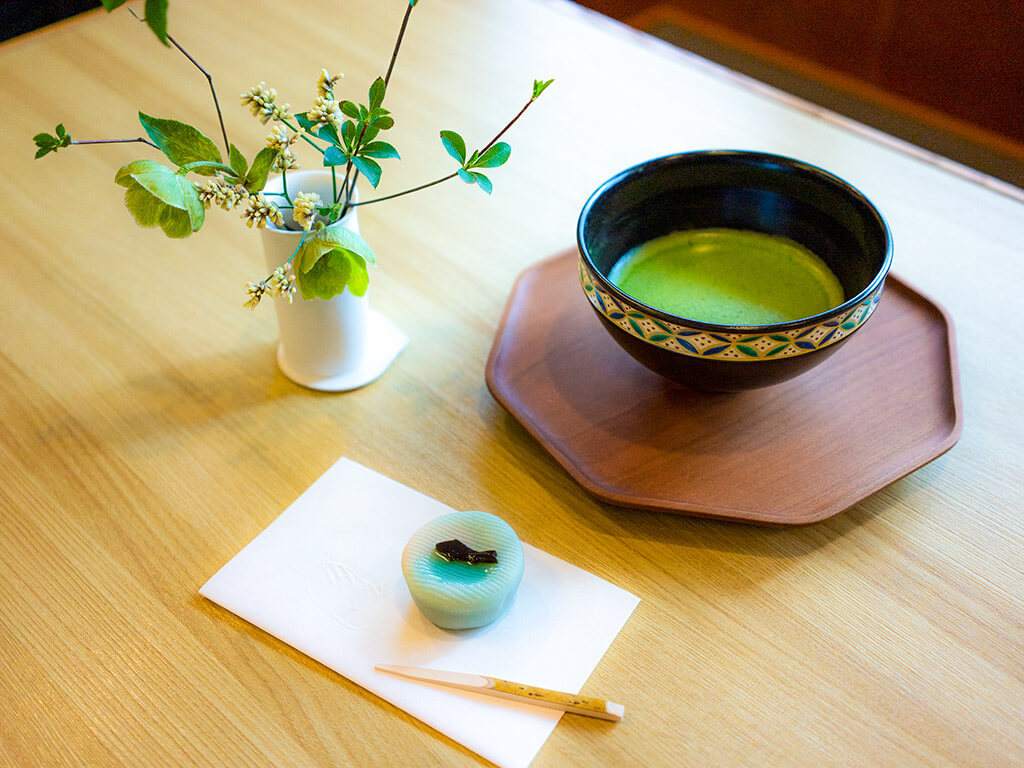
The rainy season is the perfect excuse to slow down and experience the quieter side of Japan.
Plus, cultural experiences feel even more authentic when you can hear rain falling outside.
Instead of rushing through sightseeing spots, this is the season to sit on tatami floors, savor every sip of matcha, and learn traditions that have been part of Japanese daily life for centuries.
Tea Ceremony in a Traditional Japanese Home
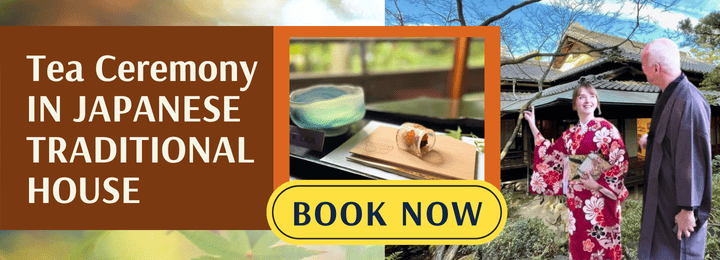
One of the most peaceful things you can do during the rainy season is join a Tea Ceremony in a Traditional Japanese Home.
Set away from the noise of the city, this experience offers a glimpse into a more mindful side of Japan. The sound of rain, the smell of tatami mats, and the careful ritual of preparing tea create an atmosphere that feels uniquely calming during this season.
It’s not just about drinking tea.
It’s about understanding Japanese hospitality, aesthetics, and the beauty of slowing down.
Ikebana Flower Arrangement Lesson and Tea
The rainy season is also the hydrangea season in Japan, making it the perfect time to explore Japanese floral culture.
The Ikebana Flower Arrangement Lesson and Tea introduces you to the traditional art of Japanese flower arranging, where balance, simplicity, and seasonality are central to every arrangement.
Unlike Western bouquets, ikebana focuses on negative space, asymmetry, and creating harmony with nature.
It’s relaxing, creative, and surprisingly meditative, especially on a rainy afternoon.
Warm Up With Japanese Sweets and Matcha
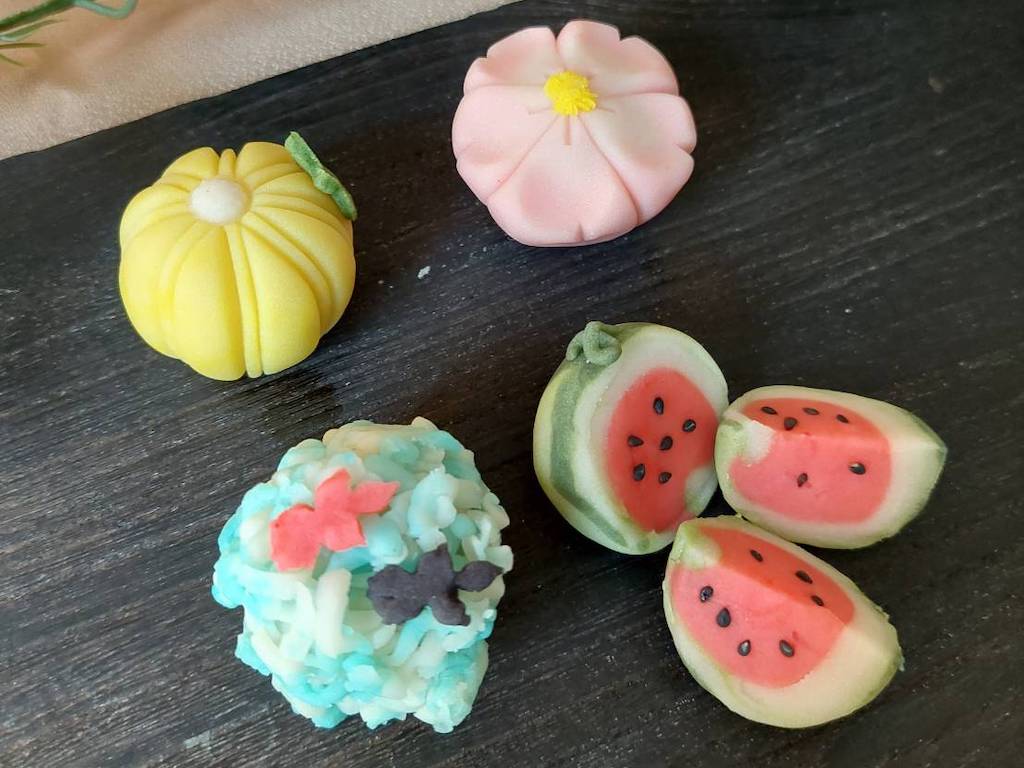
Few things feel more comforting during the rainy season than fresh wagashi and a bowl of matcha.
Traditional Japanese sweets are deeply connected to the seasons, and many rainy season treats feature soft colors, floral shapes, and delicate textures inspired by early summer.
The Nerikiri Japanese Sweets and Matcha Class lets you create these beautiful sweets by hand while learning about their cultural meaning and seasonal symbolism.
Nerikiri is one of Japan’s most artistic forms of wagashi, often shaped like flowers, leaves, or natural scenery.
Pairing handmade sweets with freshly prepared matcha while rain falls outside? It might become one of the most memorable parts of your trip.

Take a Japanese Cooking Class on Rainy Days
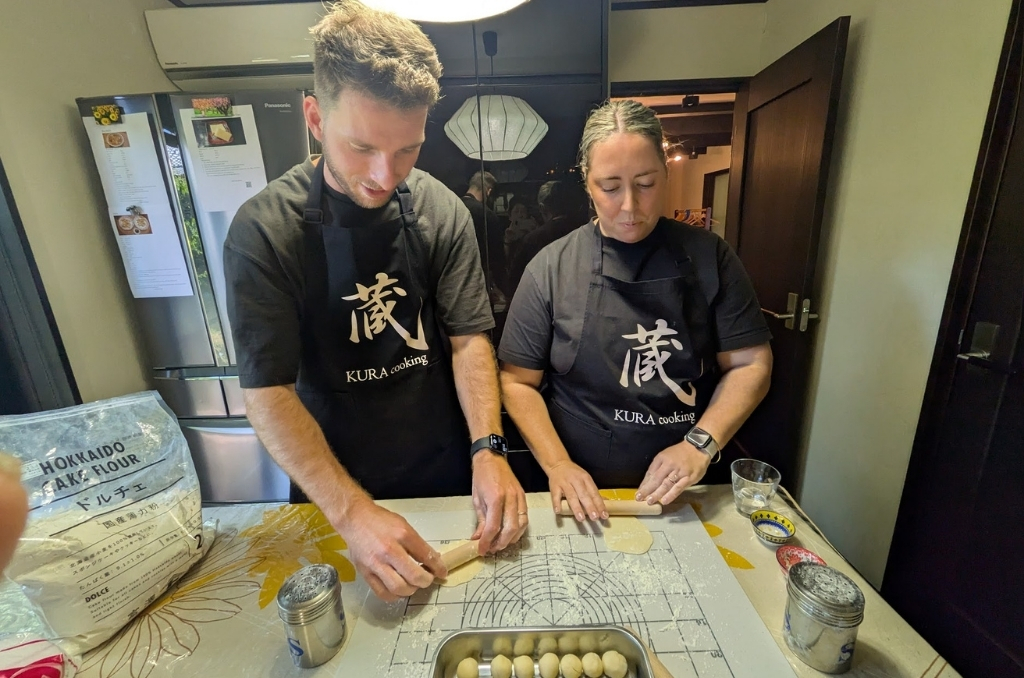
Rainy days are also ideal for learning how to cook Japanese food yourself.
Cooking classes are one of the best indoor activities in Nagoya because they combine food, culture, conversation, and hands-on experiences all in one.
And unlike museums or shopping malls, you actually leave with skills you can take home.
Whether you want to learn home-style Japanese dishes, regional specialties, or vegan versions of your favorite foods, Nagoya is not boring offers multiple cooking classes that turn a rainy afternoon into something memorable.
If the weather keeps you indoors, this is exactly the kind of experience that makes the rainy season feel intentional rather than limiting.
Explore Nagoya’s Underground and Covered Areas
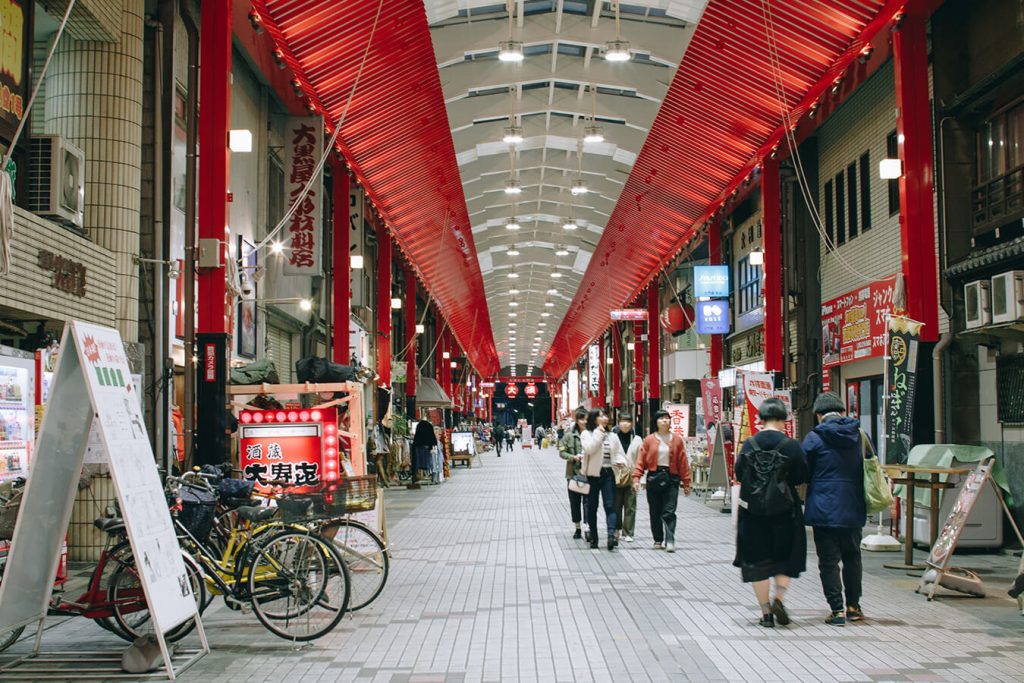
One thing many travelers do not realize about Nagoya is how easy it is to navigate during bad weather.
The city has extensive underground shopping streets connected to major stations, especially around Nagoya Station and Sakae. These areas are filled with cafés, restaurants, boutiques, bakeries, and local shops, meaning you can spend hours exploring without getting drenched.
Covered shopping arcades like Osu Shopping Street also make rainy-day wandering surprisingly enjoyable.
And honestly, there’s something very Japanese about ducking into tiny cafés or hidden restaurants while escaping sudden rain showers.
That slower, spontaneous rhythm is part of what makes rainy season travel special.

Embrace Rainy Season Like a Local
The secret to enjoying rainy season in Japan is simple:
Don’t fight the weather. Adapt to it.
Locals continue life as normal during tsuyu, and once you do the same, the season becomes much more enjoyable.
Here are a few simple tips:
- Carry a compact umbrella at all times
- Wear lightweight, breathable clothing
- Use waterproof shoes or sandals if possible
- Plan indoor activities during downpours
- Slow your pace and leave flexibility in your itinerary
- Spend more time eating, relaxing, and exploring neighborhoods
Most importantly: stop expecting perfect weather every day.
The rainy season is not about blue skies.
It’s about the atmosphere.
And Japan does atmosphere exceptionally well.
Final Thoughts: Is Rainy Season a Good Time to Visit Nagoya?
Absolutely.
If you approach it the right way.
The rainy season in Nagoya is quieter, slower, greener, and far more atmospheric than many travelers expect. Instead of rushing between crowded tourist attractions, it becomes a chance to experience Japan more intimately through food, tea, culture, crafts, and local neighborhoods.
Who knows? These experiences might just be better in the rain.
Especially the ones that invite you to slow down.
Want to Experience the Rainy Season in Nagoya Like a Local?
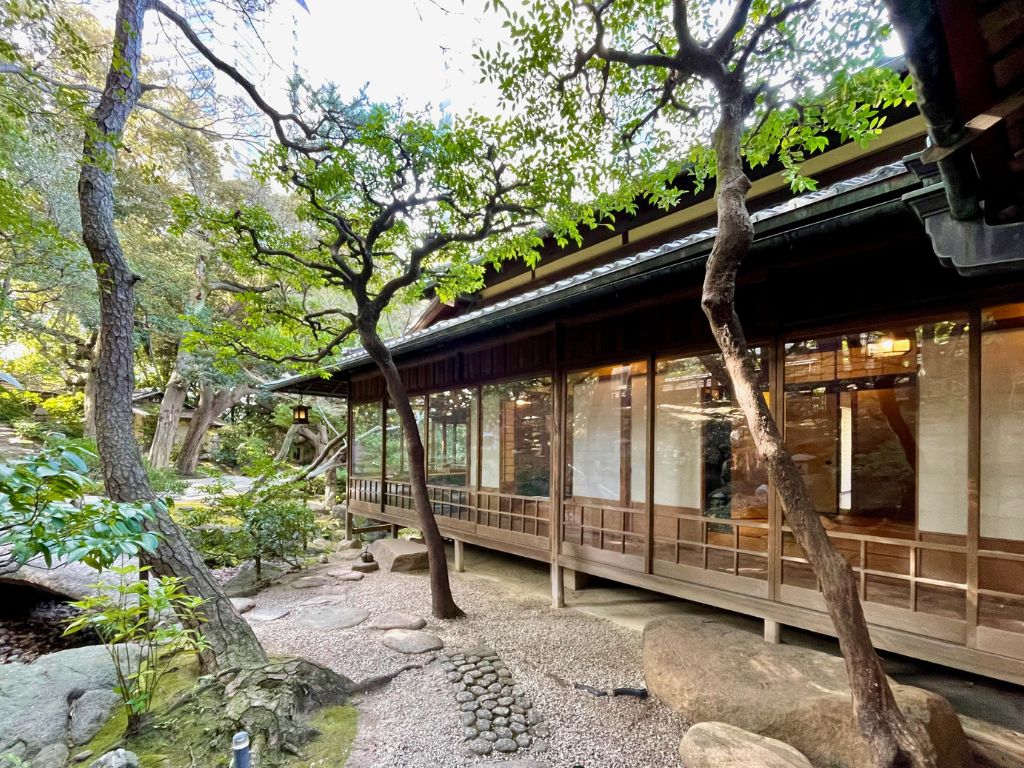
Here are some of the best indoor and covered experiences to enjoy during Japan’s rainy season:
- Best Street Food Walking Tour in Nagoya
Explore Osu’s covered shopping streets, hidden eateries, and Nagoya’s local food culture without worrying about the weather. - Tea Ceremony in a Traditional Japanese Home
Experience a peaceful tea ceremony in a traditional setting surrounded by calm and quiet. - Ikebana Flower Arrangement Lesson, Tea, and Arimatsu Town Visit
Learn the art of Japanese flower arranging while enjoying seasonal tea. - Beautiful Japanese Sweets “Nerikiri” and Matcha Experience
Create beautiful traditional sweets and enjoy freshly prepared matcha. - Japanese Cooking Classes in Nagoya
Spend rainy afternoons learning authentic Japanese recipes and regional specialties.
Sometimes the best travel memories happen when your plans slow down a little.
And rainy season in Nagoya is proof of that.
FAQ:
1. When is the rainy season in Japan?
Japan’s rainy season (tsuyu) usually lasts from early June to mid-July, although the exact timing depends on the region. In Nagoya and most of central Japan, rain typically starts increasing in early June and gradually clears by mid-to-late July.
Interestingly, it does not usually rain all day, every day. Many days are simply cloudy, humid, or experience short heavy showers followed by sunshine.
2. Does it rain every day during the rainy season?
Usually no.
You should expect frequent rain, but not nonstop downpours all day long. Many travelers are surprised by how manageable the rainy season actually is. Some days have only brief showers, while others are overcast but dry.
It’s best to stay flexible and keep a small umbrella with you.
3. What should I pack for the rainy season in Japan?
A few essentials can make rainy season much more comfortable:
- Compact umbrella
- Lightweight waterproof jacket
- Breathable clothing
- Comfortable waterproof shoes or sandals
- Small towel or handkerchief
- Portable fan if you dislike humidity
Japan is also extremely convenient for rainy weather: convenience stores everywhere sell umbrellas and rain gear if you forget something.
4. Is the rainy season very humid?
Yes, humidity starts increasing significantly during the rainy season.
However, Nagoya in June and early July is still usually more comfortable than the peak heat of August. Indoor spaces, trains, cafés, and shops are also well air-conditioned.
Planning indoor activities during the hottest parts of the day helps a lot.
5. What are the best things to do in Nagoya during the rainy season?
The rainy season is perfect for indoor cultural experiences and food-focused activities.
Some of the best options include:
- Joining the Best Street Food Walking Tour in Nagoya
- Experiencing a Tea Ceremony in a Traditional Japanese Home
- Taking an Ikebana Flower Arrangement Lesson and Tea
- Making wagashi in a Nerikiri Japanese Sweets and Matcha Class
- Trying one of Nagoya’s many Japanese cooking classes
- Exploring underground shopping streets and covered arcades
These experiences let you enjoy the atmosphere of the season without worrying too much about the weather.
6. Are there seasonal foods during the rainy season in Japan?
Definitely.
The rainy season is known for lighter seasonal dishes, fresh vegetables, river fish, matcha sweets, and hydrangea-inspired wagashi. Cold noodles also become very popular as temperatures rise.
It’s also one of the best times to enjoy cozy café culture and traditional tea experiences.
The rainy season is ultimately one of the most underrated times to visit Japan. With fewer crowds, cozy vibes, and a whole host of indoor and rain-friendly experiences, there’s no doubt this guide will help you make the most of it.
Did you enjoy this article?
Make sure to also check our other posts about Nagoya and trust us if we say Nagoya is not boring!
Be sure to follow us on Facebook for new articles every week, and see our Instagram for pictures and stories about Nagoya!
Tag us
If you’re planning on spending rainy season in Nagoya, please share your favorite rainy day activities and tag us on social media with #nagoyaisnotboring