



Planning a trip to Japan this winter (December to February)?
Make Nagoya, Aichi, and the Central Japan area your top destination for unforgettable winter experiences! From breathtaking snowscapes to seasonal festivals, local delicacies, and hidden gems, this region offers a perfect blend of tradition, nature, and culture. In this guide, we’ll show you the best spots to stay warm and cozy, as well as must-attend events, local travel tips, and all the seasonal foods you won’t want to miss. Get ready for a truly memorable winter adventure in the heart of Japan!
Important notice: Some 2026–27 winter events schedules have not yet been announced. We’ll keep this guide updated as new information becomes available, so please check back before finalizing your plans.
Article Contents
Reasons to Visit Nagoya in Winter
Winter in Nagoya, Aichi, and Central Japan offers a unique charm that travelers often overlook. It’s the perfect season to soak in hot springs, savor seasonal delicacies, and enjoy popular spots without the usual crowds.
This is also the best time to warm up with comfort foods like oden, hotpot, and sukiyaki. Citrus fruits such as mikan are at their sweetest in winter, and fresh crab dishes are at their peak, something you won’t want to miss in seafood or sushi restaurants.
🍜 Experience Nagoya’s winter comfort food. Join our Flavors of Nagoya Food Tour.
And while snowfall is rare within Nagoya’s city limits, the majestic Alps in neighboring Gifu are just an easy day trip away, making it simple to add a snowy adventure to your itinerary.
Experience Winter Like a Local
Winter isn’t just a season to admire in Nagoya; it’s one of the best times to experience the region’s unique culture, cuisine, and traditions.
Whether you’re warming up with a bowl of steaming ramen, sipping locally brewed sake in a cozy izakaya, crafting seasonal Japanese sweets, or exploring snow-dusted mountain villages, winter offers countless ways to discover a different side of Central Japan.
Here are some of our favorite winter experiences:
🍜 Warm Up with Nagoya’s Comfort Food
Join our Flavors of Nagoya Food Tour and discover the city’s most iconic winter dishes, from miso nikomi udon to crispy tebasaki and hitsumabushi.
🍶 Discover Nagoya’s Izakaya & Sake Culture
Escape the cold and spend the evening like a local on our Nagoya Sake Tasting & Izakaya Night Tour, sampling regional sake and delicious local specialties.
🍵 Stay Cozy with Indoor Cultural Experiences
Winter is the perfect time to slow down and enjoy authentic Japanese traditions. Learn to make seasonal nerikiri sweets and matcha, cook ramen and handmade gyoza, or experience the elegant art of ikebana flower arranging in a traditional Japanese home.
🥾 Explore Central Japan’s Winter Landscapes
Looking for a winter adventure? Discover historic post towns, mountain scenery, and hidden gems on our guided day trips from Nagoya, including the beautiful Magome to Tsumago Hiking Tour.
👉 Explore all our winter tours and experiences
Tips for Traveling During New Year Holidays
If you’re visiting Nagoya during the winter holidays, a little planning in advance will help you make the most of your trip. Some attractions and family-run shops take breaks during this season, and public transportation may run on a limited schedule, but with preparation, you can enjoy everything the city and region have to offer.
👉 Planning to visit during the holidays? Read our complete guide: Nagoya During the New Year Holidays
Nagoya Winter Weather – What to Expect and What to Pack
Winter weather in Nagoya is cold and extremely dry. January is the coldest month of the winter, with average high temperatures only around 9°C (48°F) and low temperatures around 1°C (34°F).
What to Bring
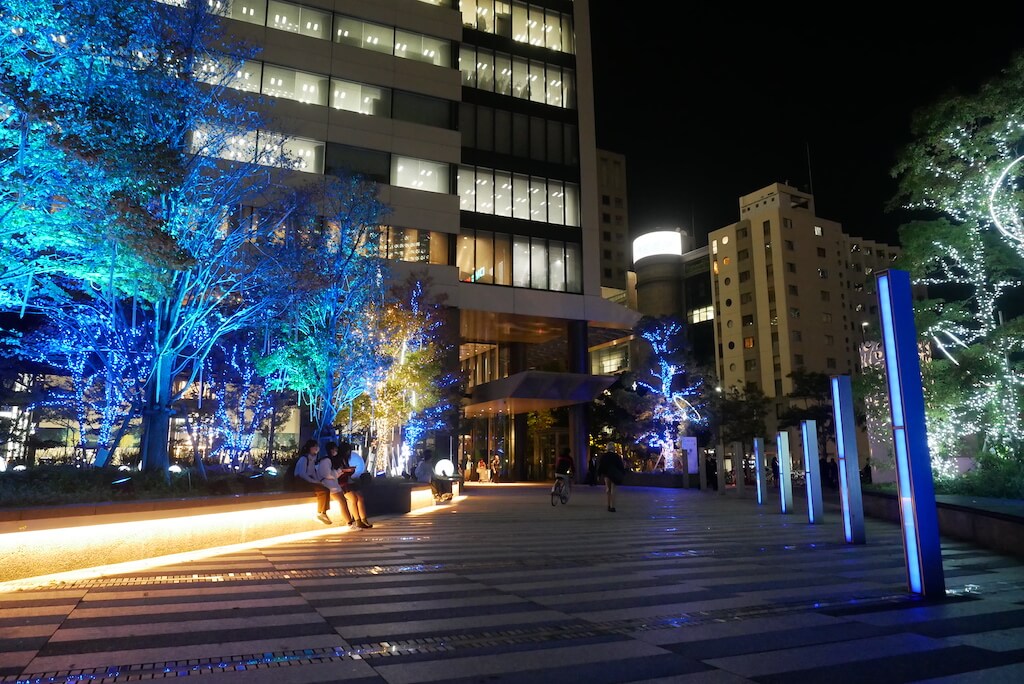
You’ll want to pack warmly for your winter trip! Warm layers, gloves, a hat, and a windproof jacket are a must. Don’t underestimate the dryness and the wind, either! Make sure to pack (or buy) extra moisturizer for refreshing your skin after a day in the winter winds.
If you’re looking for the full details on what to pack in any season, check out our full What to Pack on your Trip to Japan full post here!
Top Spots and Things to Do in Winter in Nagoya
You can definitely visit most of these places year-round! However, due to weather, holidays, and other seasonal considerations, we recommend them for winter trips. Read on to find out more!
Illuminations
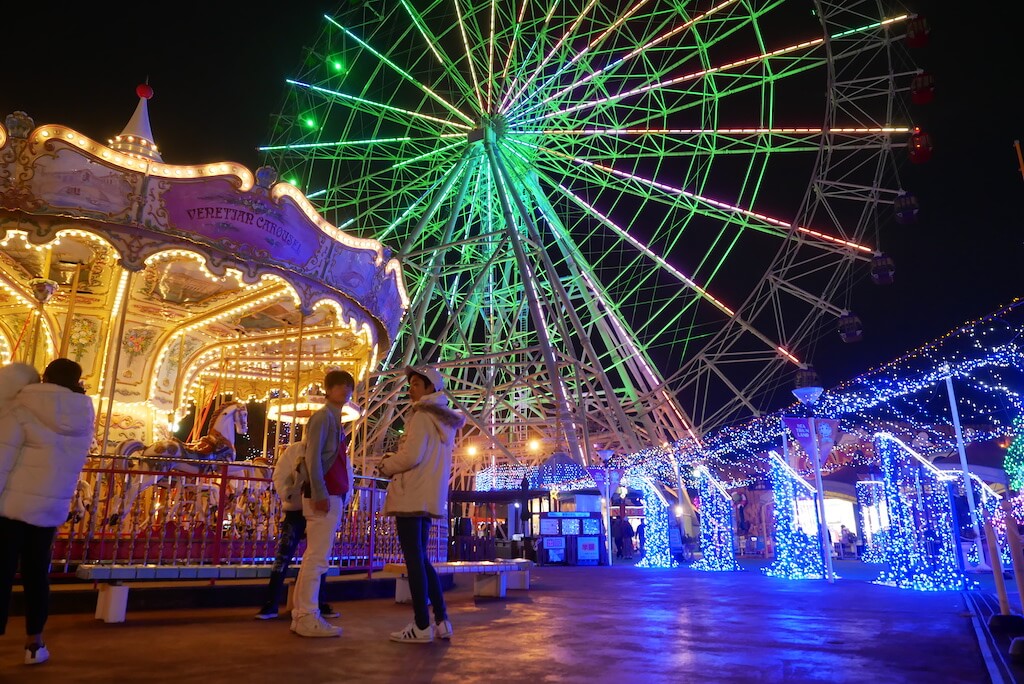
Japanese people absolutely love illuminations, and winter is the perfect time to see them! Buildings, parks, and shopping centers alike all vie for who can create the most spectacular displays. You’ll find picture-perfect illumination displays all over the city, starting mid-November and continuing through the end of December.
Looking for the most beautiful light displays?
👉 Read our complete guide to Winter Illuminations and Events in Nagoya here.
Nabana no Sato
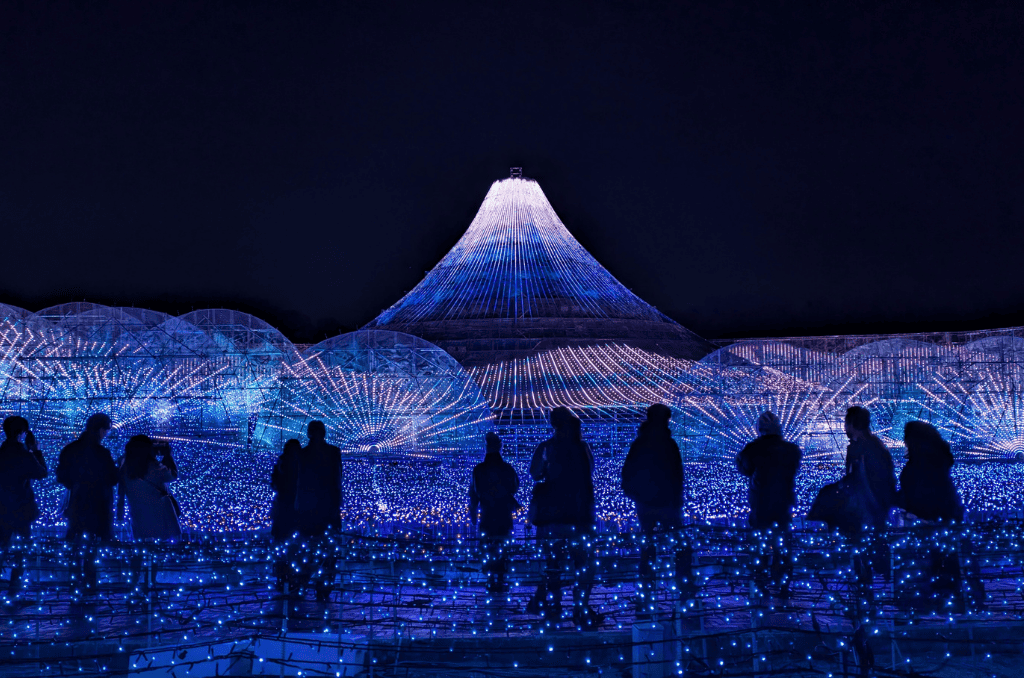
Nabana no Sato is a flower garden just a bus ride away from Nagoya. While beautiful flowers are blooming here year-round, the best time to visit is definitely winter! From October through June, there is a seasonal light-up all over the park. Visitors come from all over Japan to see the light show, which changes every year, and to walk through the tunnel of light.
Planning to visit Japan’s largest illumination?
👉 Read our complete Nabana no Sato Winter Illumination Guide.
Nabana no Sato (なばなの里)
Address: Urushihata 270, Nagashimacho Komae, Kuwana, Mie 511-1144
Opening hours: During illumination season 10:00 to 21:00 (on some days until 22:00)
Price: 10/17-11/20: Adults 2700 yen (including 1,000 yen consumption voucher), children under 6 free, 11/21-12/22, 12/26-2/28: Adults 3200 yen (including 1,000 yen consumption voucher), children under 6 free
* Note: opened during the New Year holidays (closed on 1/6-7). Pricing and hours differ during the Christmas Special Event (12/23-25), which requires purchasing tickets in advance.
Website | Google Maps
🍶 Warm up after the lights
Experience local sake and izakaya culture. Join our Sake Tour!
Nagoya Castle
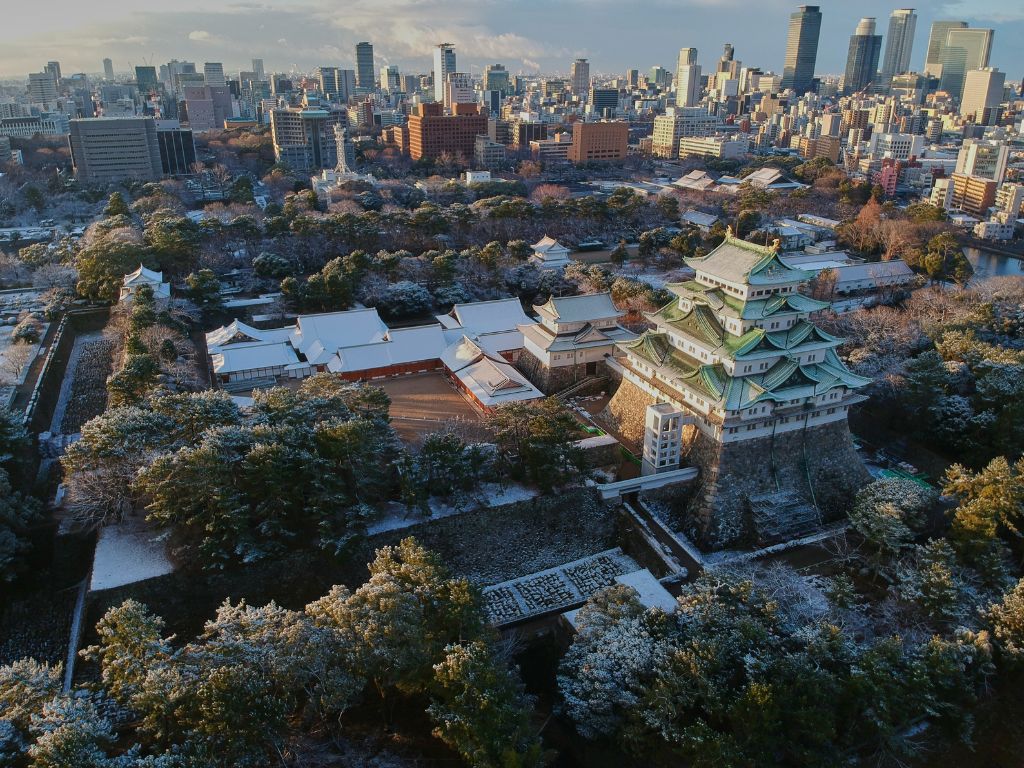
Nagoya Castle Winter Festival is also during this time! This festival is held yearly on January 1st. If you arrive when the festival starts at 9:00 am, you’ll be able to witness the festival gates opening for the first time of the new year – an auspicious event. Throughout the course of the festival, there are other events such as performances by Hattori Hanzo and the Ninjas, comedy shows, celebratory traditional dances, and gifts for the first people who arrive.
Nagoya Castle (名古屋城)
Entry Fee: Adults: 1000 yen; children free
Opening Hours: 9:00 – 16:30
Address: 1-1 Honmaru, Naka Ward, Nagoya, Aichi 460-0031
Website | Google Maps
Top Winter Day Trips
Do you have a free day in your itinerary and want to venture outside the city? Nagoya is a central transport hub, which makes it so easy to access other parts of Japan. These are our top spots for day trips within a few hours from Nagoya by public transport, and all of these are absolutely gorgeous in winter!
Magome Tsumago
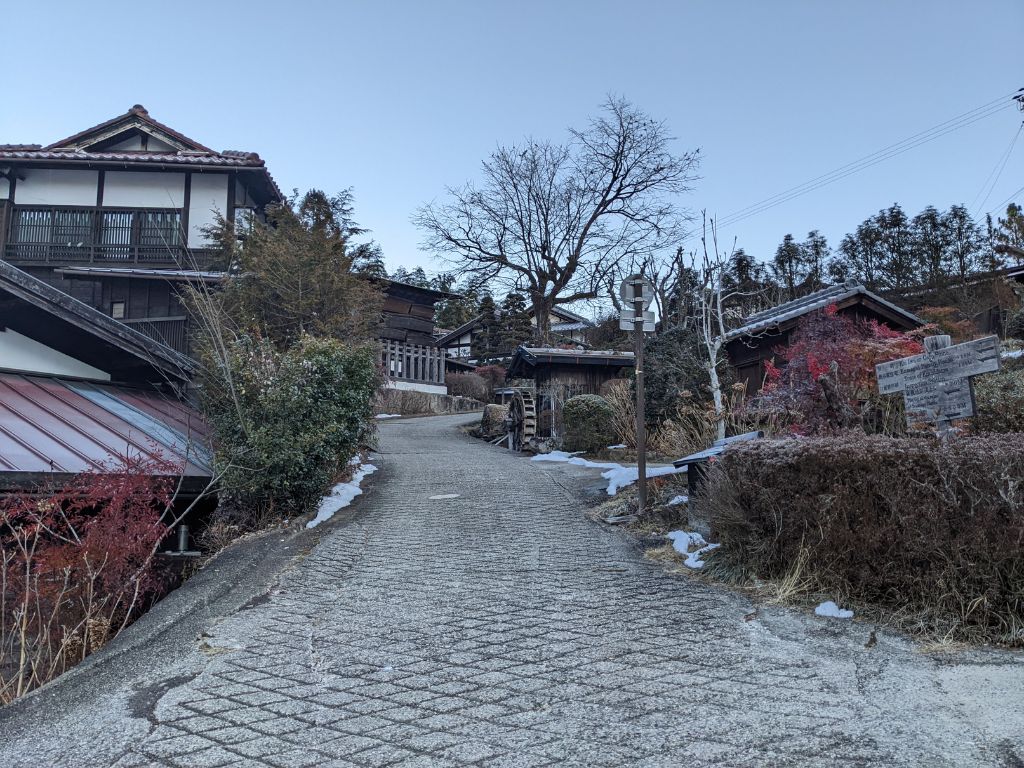
If you are interested in the outdoors, a hike along the Nakasendo Trail is a wonderful way to spend a day! Enjoy the crisp mountain air while hiking along this historic route through the mountains that once connected Tokyo and Kyoto. It was used by feudal lords, merchants, and other travelers during the Edo period. Magome and Tsumago are two of the 60+ well-preserved towns that are along this route, which today is a popular hiking trail. Concerned about getting lost? Join us for a guided tour of the Nakasendo trail with a knowledgeable guide to teach you about the rich history of the area, while also making sure you don’t get lost! Click the banner below for details.

Gujo Hachiman
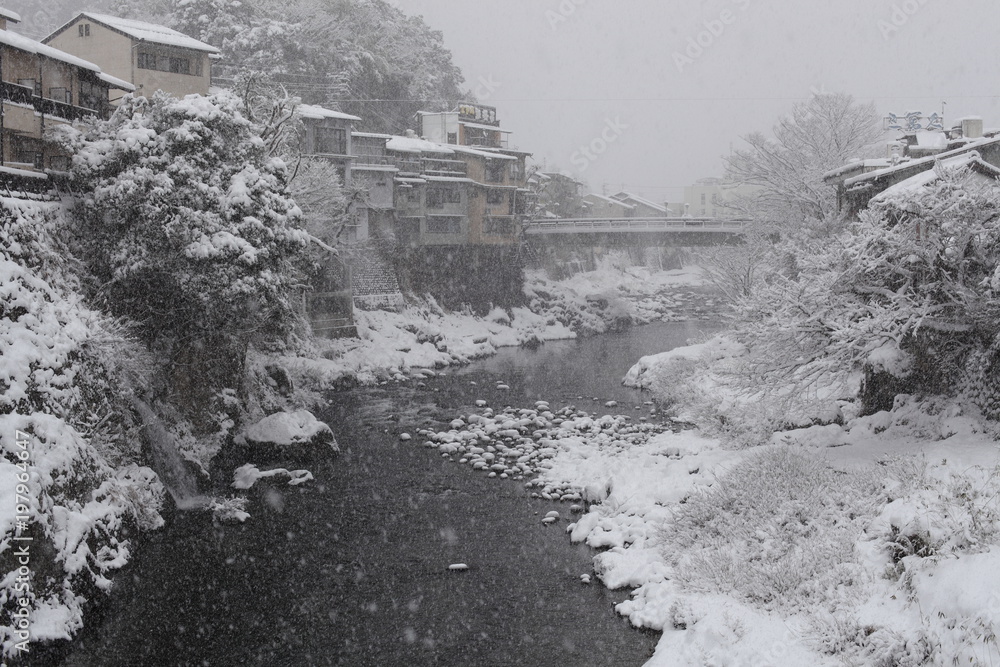
Gujo Hachiman is most commonly known for its Bon Odori Festival, which takes place in the summer. But Gujo Hachiman is also a lovely place to visit in the winter. Except during the Bon Odori Festival, during which Gujo Hachiman receives over 300,000 visitors, this area is otherwise extremely quiet, making it an ideal destination for those who are looking to get away from the hustle and bustle of large cities.
Gujo is known for its unique appreciation for water, but did you know that Gujo is also famous for plastic food replicas? If you stop in Gujo Hachiman, we highly recommend a visit to Sanpuru Kobo, where you can make your own plastic food replicas as well as purchase unique plastic food souvenirs. An experience ticket also gets you access to their museum, which is a unique collection of items from the 80s and 90’s Japan, including a Nintendo64 console you can play!
Also don’t miss the Kanzarashi Festival! Scroll down for more details.
Gero
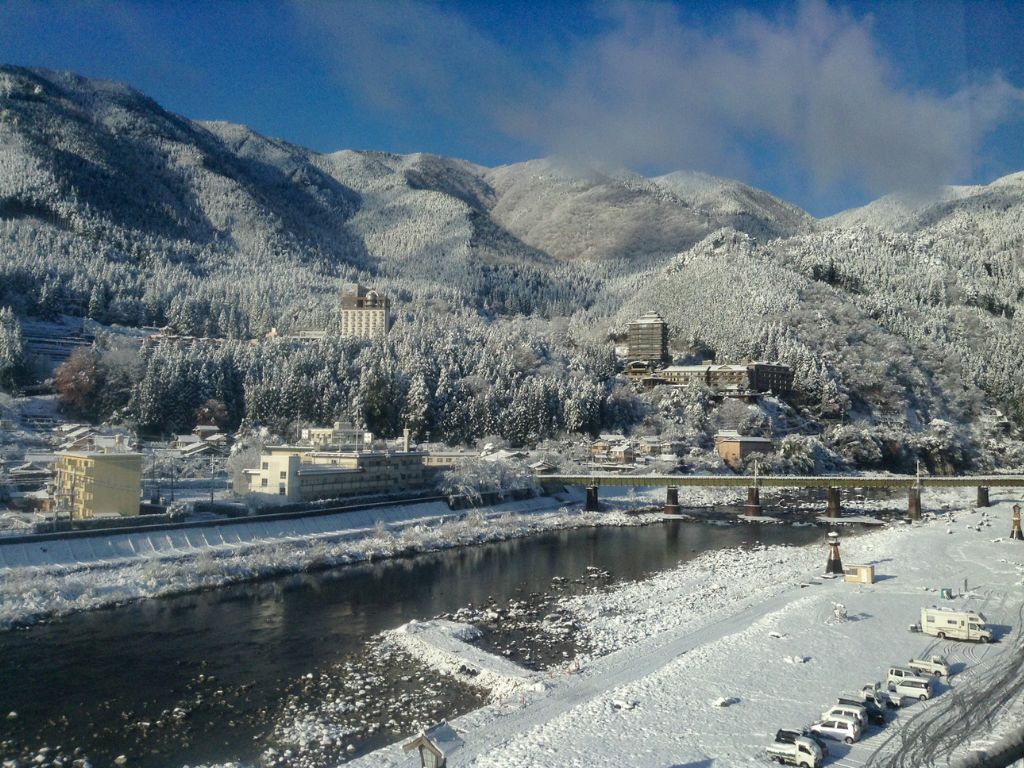
We mentioned you might want to visit a hot spring if you’re here during the winter, and Gero Onsen is the best place to do that! A two-hour train ride from Nagoya, this cute little town nestled in the Alps is famous for its natural hot spring water. There are dozens of onsen for you to try here!
Something to note is that many onsen in Japan have very strict policies regarding tattoos. However, even if you have tattoos and cannot visit a public onsen, there are still options in Gero! There are onsen designed for just your feet and hands that anyone can use.
Shirakawago
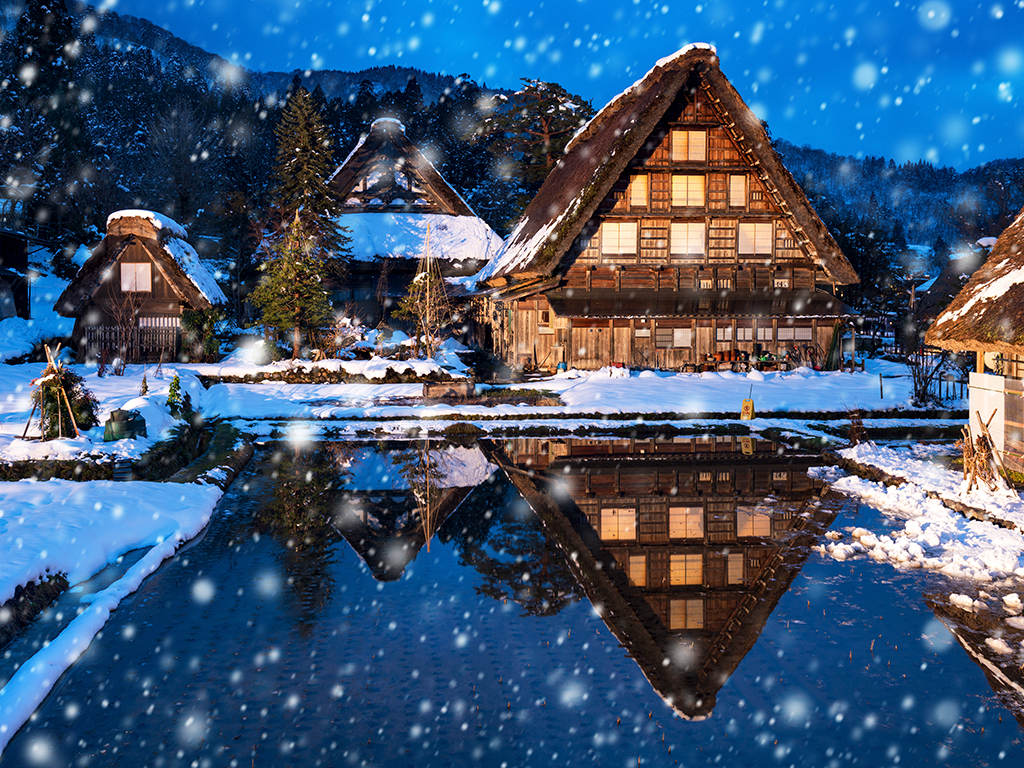
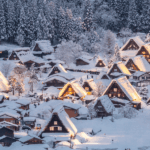
Lastly, two of the most popular tourist destinations in Gifu are in the Alps region. These are Shirakawago and Takayama. Both of these individually might be a bit far for a day trip from Nagoya, but if you’re willing to make the trip, you’ll certainly see why they’ve become so popular! Firstly, Shirakawago, pictured above, is a UNESCO Heritage site nestled in a small remote valley. A visit here will allow you to wander through the gassho-zukuri houses, in which people still live, and explore open-air museums and exhibits. If you’re here during the winter, make sure you wear warm, waterproof shoes as you are pretty much guaranteed to be walking on snow!
Takayama is a small city which is known for its daily market. The fresh mountain air here is like no other! A visit to this market will allow you to shop for produce, artisan goods, and souvenirs. Takayama is also known for the historic Sanmachi District, which is an area of historic wooden houses that have been converted into sake breweries, artisan shops, and local restaurants.
Stay Warm with Indoor Cultural Experiences
Not every winter day needs to be spent outdoors. If you’re looking to escape the cold while experiencing authentic Japanese culture, Nagoya offers plenty of memorable indoor activities.
Whether you’d like to learn a traditional craft, cook your favorite Japanese dishes, or enjoy a relaxing tea experience, these hands-on workshops are perfect for winter.
🍵 Nerikiri & Matcha Experience
Create beautiful seasonal Japanese sweets and learn the art of preparing matcha in a peaceful traditional setting.
🍜 Ramen & Gyoza Cooking Class
Learn to make authentic ramen and handmade gyoza from scratch in a local Japanese home—then enjoy your delicious creations!
💐 Ikebana Flower Arrangement Experience
Discover the elegant Japanese art of flower arranging while enjoying matcha and sweets in a traditional home.
👉 Explore all our cultural experiences in Nagoya
Winter Seasonal Foods
Winter is the time to enjoy warm, rich, and filling foods, as well as all kinds of citrus fruits, which are in season during winter. Nagoya Meshi, the regional cuisine of Nagoya, is known for its bold, rich flavors. Here are a few of our favorites that we love to eat during winter!
Oden
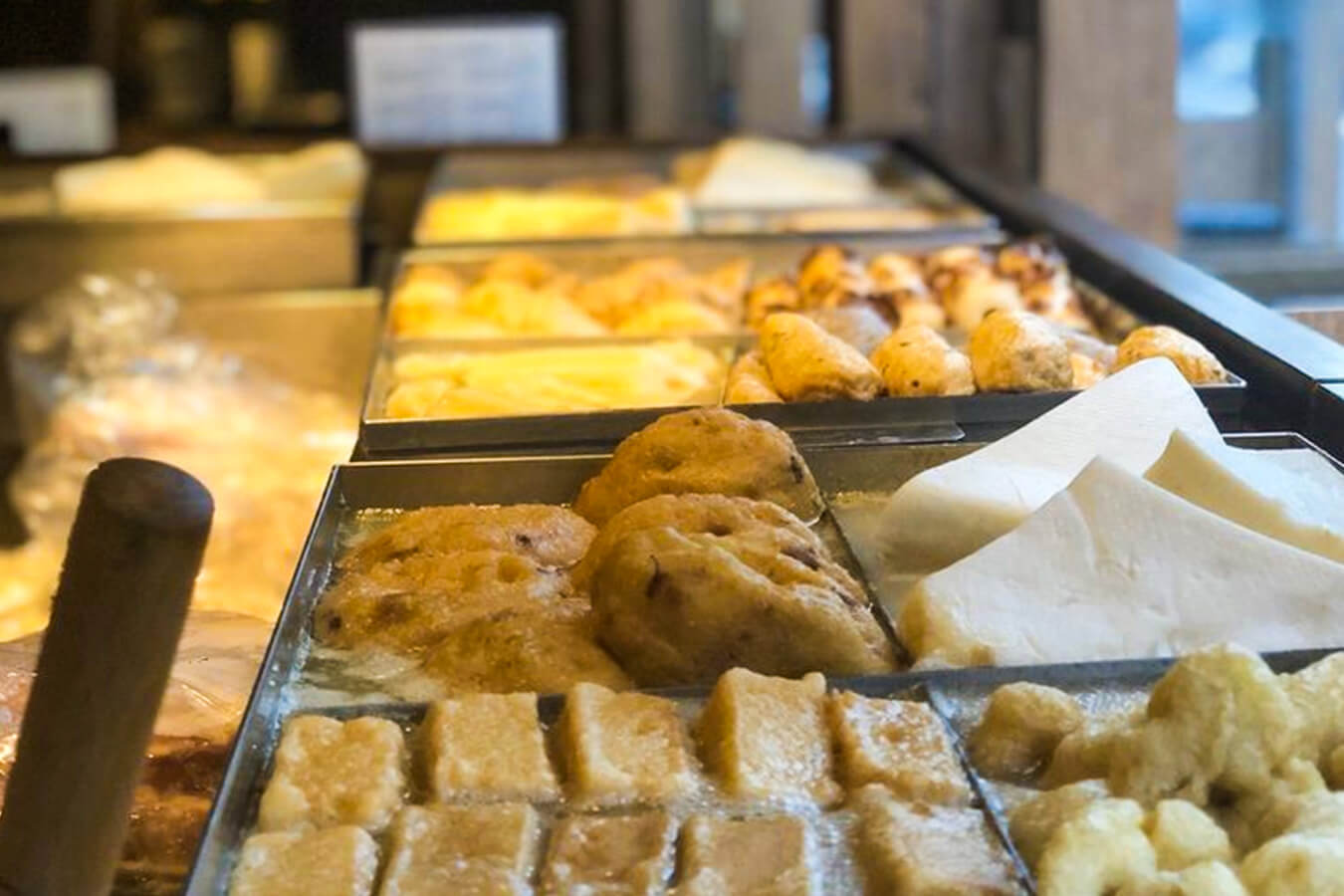
Our first seasonal spotlight is oden! It’s truly a sign that winter has arrived! You’ll see this everywhere starting in late fall and continuing until spring. Oden is a traditional Japanese hotpot dish where ingredients such as boiled egg, daikon, fish cakes, and fried tofu are simmered in broth. In Nagoya, we are big fans of Miso Oden, but you’ll also commonly see lighter, dashi-based broths. Curious about other Nagoya dishes? Check out our full Nagoya Meshi article for a deep dive into all 19 of Nagoya’s cultural dishes, as well as our recommendation for where to try Miso Oden.

Citrus Fruits
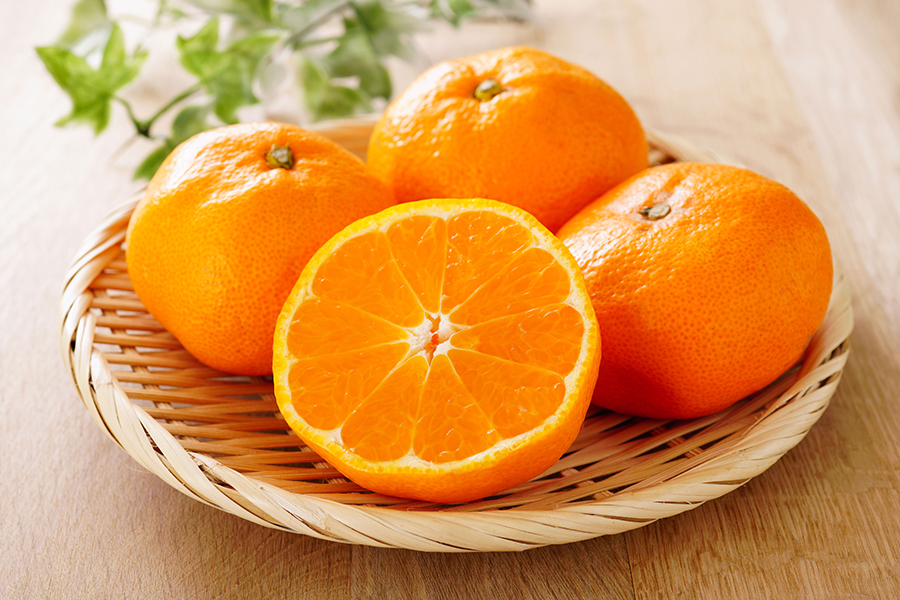
Did you know that there’s a town in Aichi that’s actually famous for citrus fruits? Gamagori, a small seaside town about an hour south of Nagoya, is famous all over Japan for Mandarin Oranges, which are called mikan in Japanese.
These small, sweet oranges are harvested from November through January, and are commonly eaten while sitting under a heated kotatsu table with family while relaxing during the New Year’s Holiday break. If you’re interested in a unique way to spend the afternoon, farms like Togokusan Fruits Park in Nagoya offering fruit picking experiences.
In addition to mikan, Gamagori also has the Yaotomi Shrine, located on Takeshima Island. If you’re interested in planning a day trip, check out our in-depth article about Gamagori so you can plan your day.
Hotpot
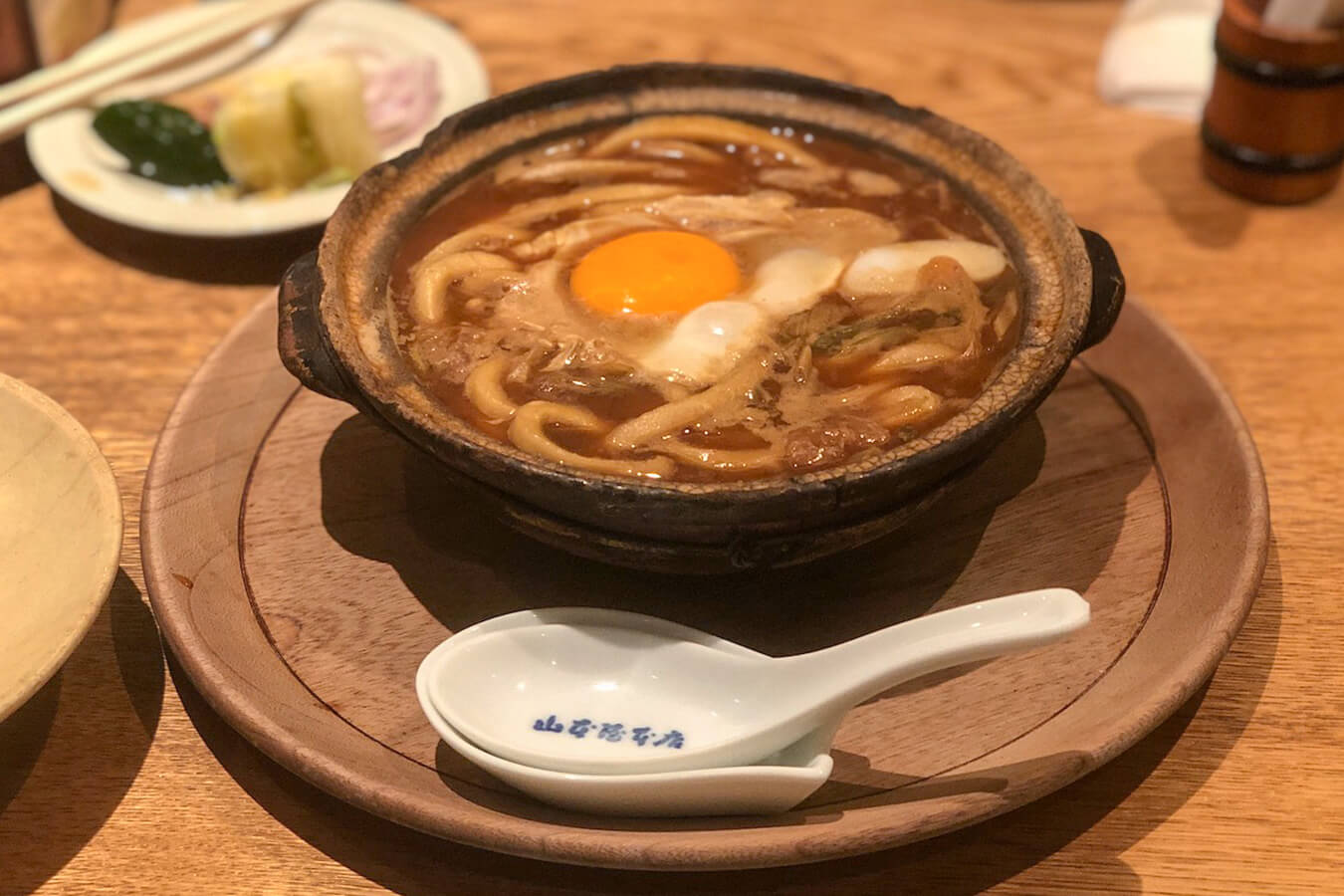
Winter is by far the best time to enjoy a bowl of delicious noodles, and what better noodle than Nagoya’s Miso Nikomi Udon? This dish is rich, savory, and the perfect way to warm up after a cold day! This dish is seasoned with Aichi’s famous Hatcho miso and filled with noodles, meat, mushrooms, and tofu, and typically topped with a raw egg that gently cooks inside the piping hot bowl of stew.
Miso Nikomi udon is considered an example of Nagoya Meshi – one of Nagoya’s cultural dishes. As such, we have created a whole roundup of our favorite places to try it! Click here to check it out. You’ll definitely want to try this dish if you’re here during the winter!
Amazake
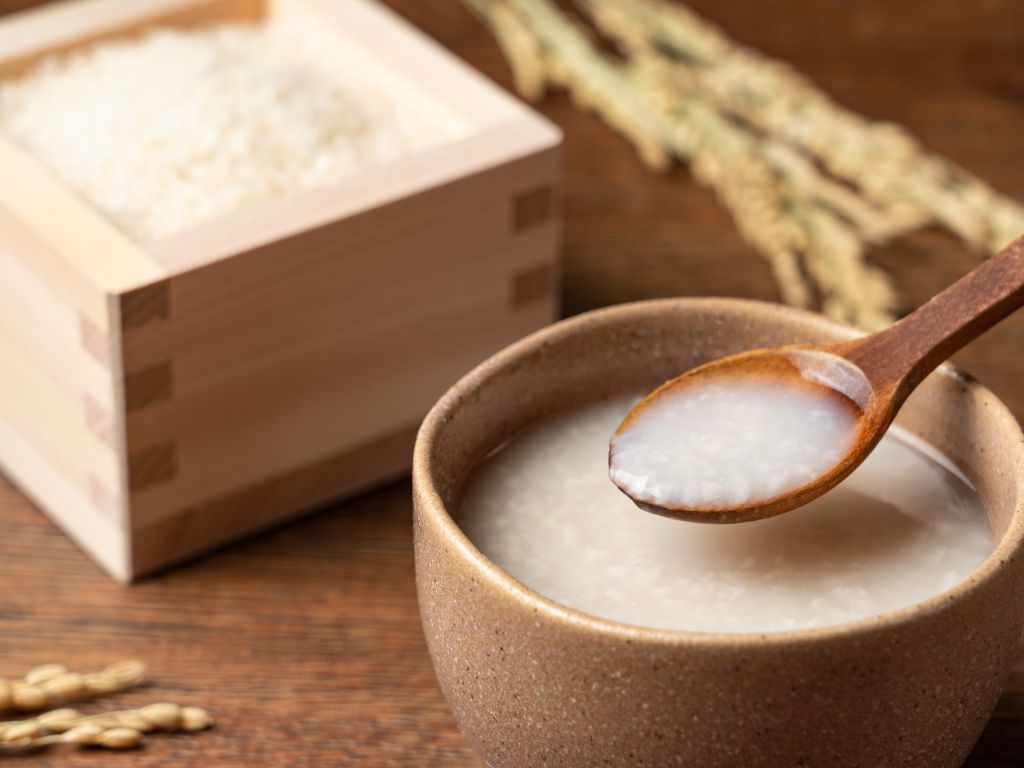
Another seasonal item is amazake (甘酒,), or Sweet Sake, a non-alcoholic type of sake that is commonly enjoyed warm during the winter season (though you can drink it cold, as well). It’s purported to be healthy and full of amino acids and vitamin B, and used to be given to children and even babies! It’s also said to be good for your skin.
Seasonal Winter Events and Festivals
Nagoya Castle Winter Festival
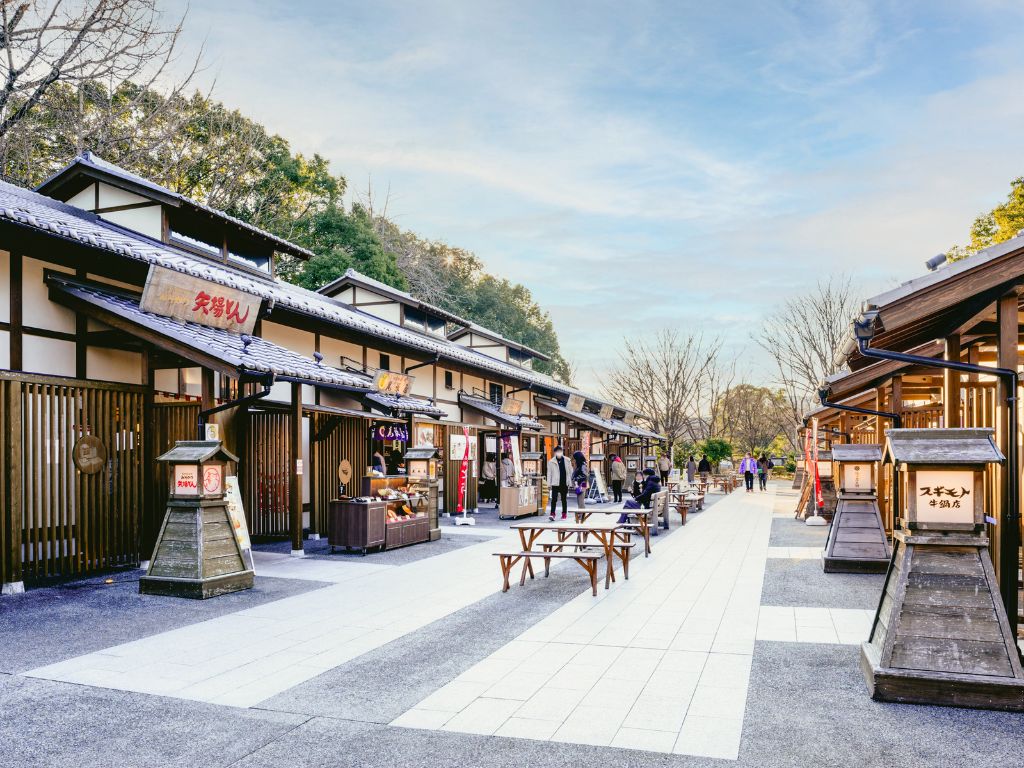
Nagoya Castle Winter Festival is also during this time! This festival is held yearly on January 1st. If you arrive when the festival starts at 9:00 am, you’ll be able to witness the festival gates opening for the first time of the new year – an auspicious event. Throughout the course of the festival, there are other events such as performances by Hattori Hanzo and the Ninjas, comedy shows, celebratory traditional dances, and gifts for the first people who arrive.
Nagoya Castle Winter Festival (名古屋城冬まつり)
Entry Fee: Free
Opening Hours: 9:00 – 16:30
Address: 1-1 Honmaru, Naka Ward, Nagoya, Aichi 460-0031
Website | Google Maps
Gujo Hachiman Kanzarashi Festival
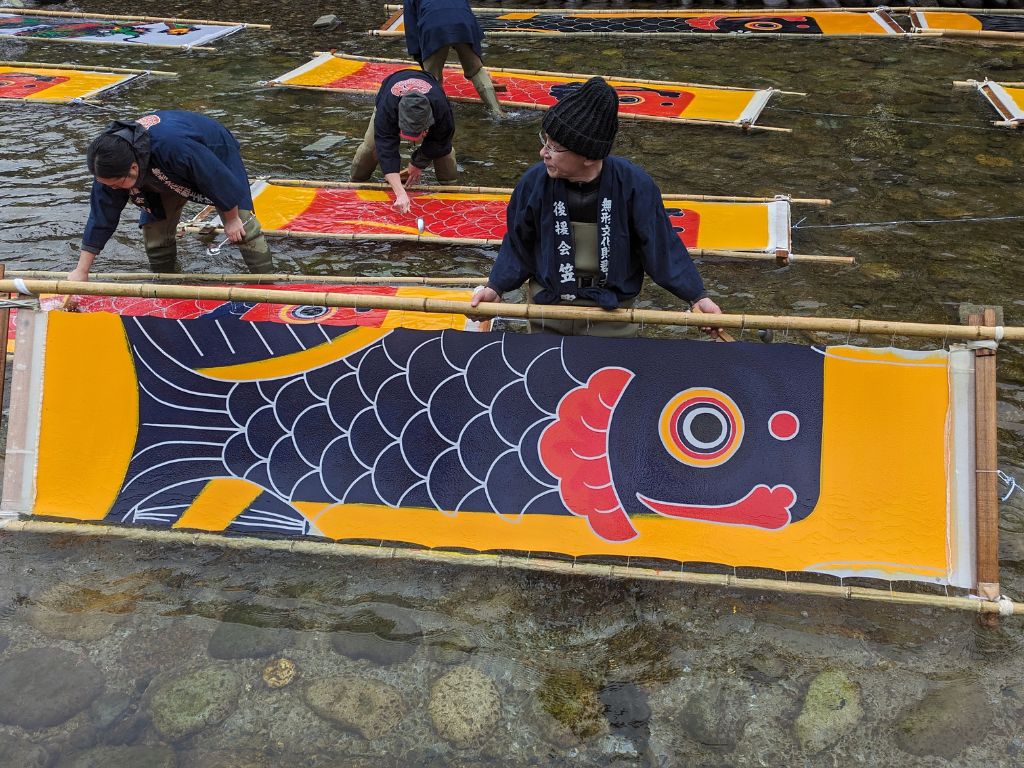
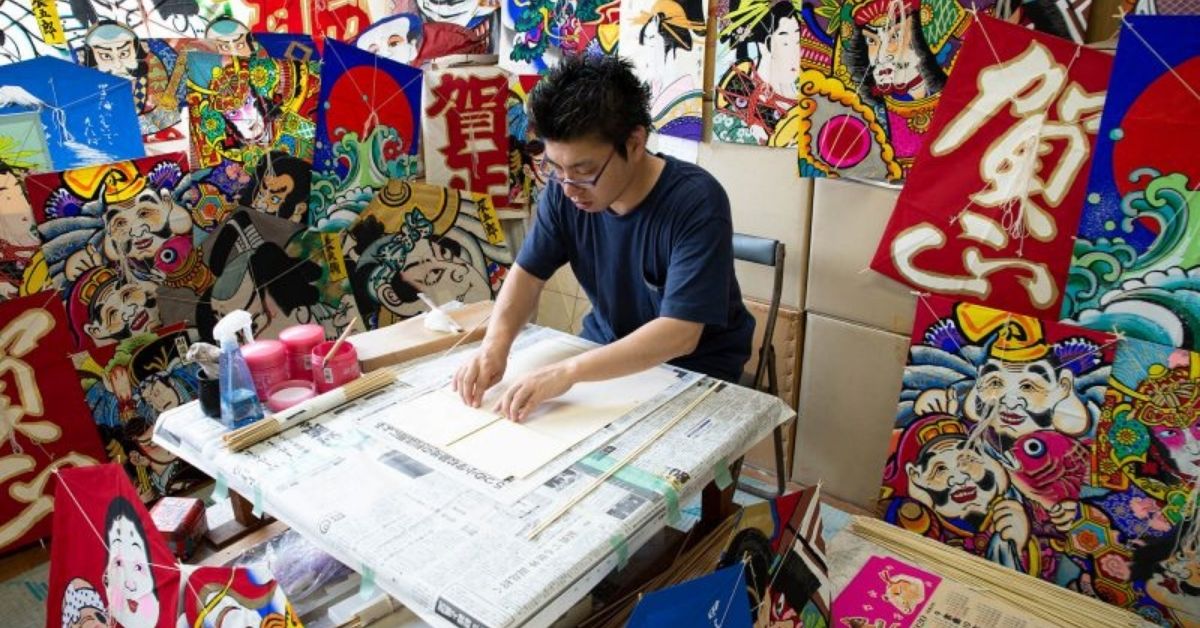
The Gujo Kanzarashi Festival is held twice a year during winter, usually at the end of January and beginning of February. People come together to prepare the koinobori, or carp streamers, which fly during the spring children’s festivals. The main attraction of the festival is watching as artists use traditional methods to paint and dye the colorful fabrics, later submerging them in the icy Nagara River overnight. This festival is popular with photographers as well as artists and those who love Gujo’s special indigo dyes.
Konomiya Naked Festival
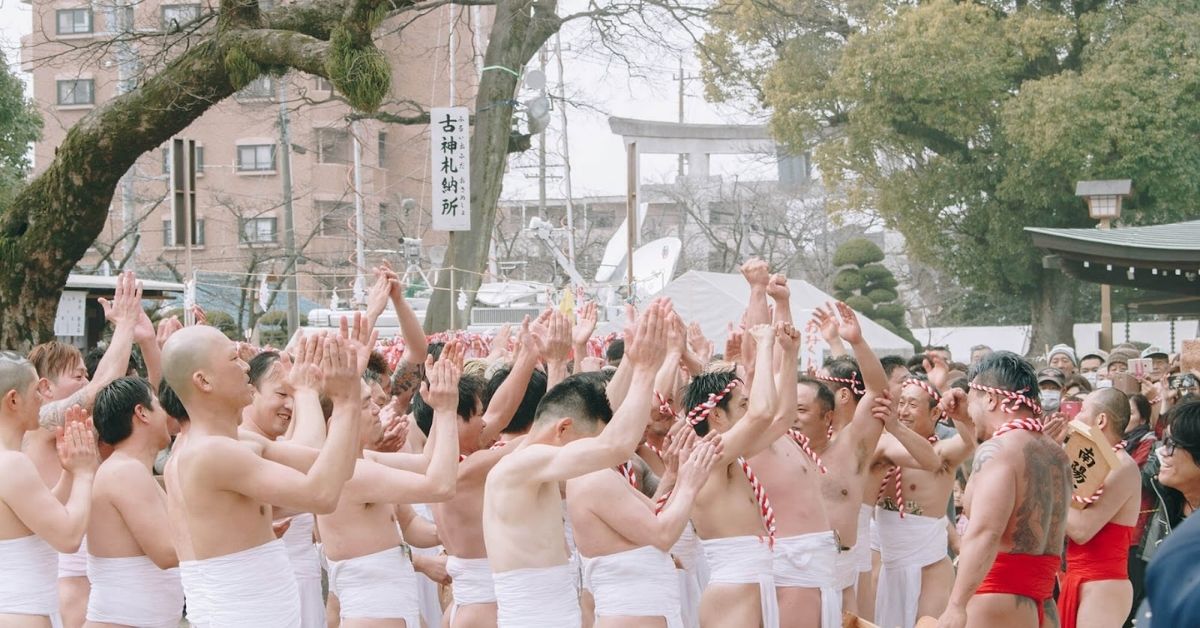
Dating back over 1,200 years, the Konomiya Naked Festival was originally meant to drive away evil spirits, but today it’s all about chasing out bad luck and welcoming in the good. Hundreds of nearly naked men, wearing only white loincloths and headbands, parade through the streets carrying colorful shrines while getting splashed with buckets of freezing water. The energy is loud, chaotic, and fueled by plenty of sake!
The highlight is the “Shinotoko,” or “God Man,” who runs completely naked through the crowds as everyone tries to touch him to pass off their bad luck. After praying at the shrine, he’s sent out of town, taking the misfortune with him. With food stalls, photo-worthy moments, and a festival atmosphere like no other, the Naked Festival is a must-see if you’re in Japan in February. Check out our article for more details!
The Naked Man Festival (裸祭り)
Entry Fee: Free
Date: February 19th, 2027
Location: 1-1-1 Konomiya, Inazawa City, Aichi Prefecture
Website (Japanese only) | Google Maps
Toba Fire Festival
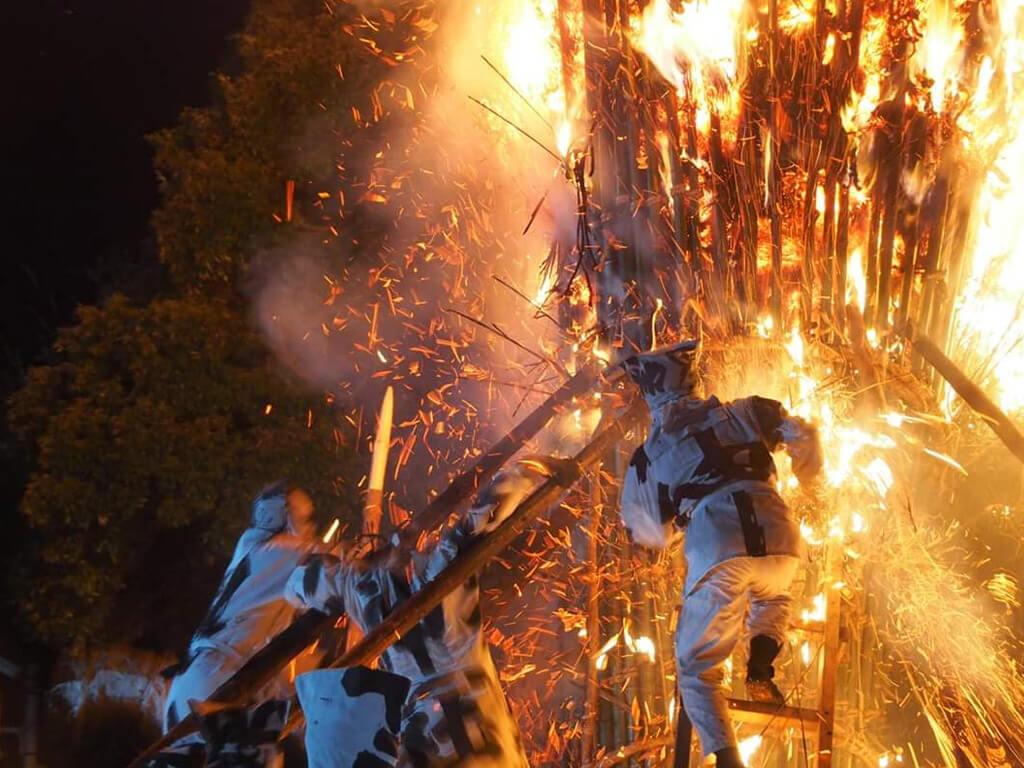
This festival is over 1,000 years old! A designated National Important Intangible Folk Cultural Property, you can witness this spectacle yourself on the 2nd Sunday of February at the Toba Shinmeisha Shrine in Nishio.
During the festival, participants climb up on two giant flaming torches and compete to see who can remove the sacred wood and ropes from the blazing bonfires. Once they are successful, these items are offered to the gods. The results of the competition supposedly dictate the year’s weather and the quality of the upcoming harvest.
Aside from this festival, Nishio is also famous for being one of the largest producers of matcha and other tea throughout Japan! Learn more about Nishio here.
Toba Shinmeisha (鳥羽神明社)
Festival date: Second Sunday of February
Address: 89 Nishibasama, Tobacho, Nishio, Aichi 444-0704
Location: Website (Japanese only)| Google Maps
This post was last updated in September 2026.
Although we strive to provide you with the most accurate and up-to-date information possible, please note that changes may occur nonetheless. We recommend you confirm any relevant information such as event cancelations or changes, opening hours, or possible restrictions using a direct source. Please keep in mind that these sources might be in Japanese only.
Did you enjoy this article?
Make sure to also check out our other posts about Nagoya and trust us if we say Nagoya is not boring!
Be sure to follow us on Facebook for new articles every week, and see our Instagram for pictures and stories about Nagoya!
Tag us 📲
Which museum on the list is your favorite? If you have visited any museum on the list please share it and tag us on social media with #nagoyaisnotboring



We r worried about d Japanese language, as we know English language, n don’t understand Japanese language.
Hi Sheela,
Most people find Japan easier to navigate than they expected! Of course, many citizens do not speak English, especially in the countryside, but many signs (including all public transportation signs) will be in English. You can also easily order things from the menu as most restaurants have picture menus or a fully English menu. If you can memorize a few phrases or keep a guide handy, you should fare quite well especially in major cities. Here’s a quick guide that may help! https://www.triptojapan.com/blog/20-must-know-common-japanese-phrases-for-tourists